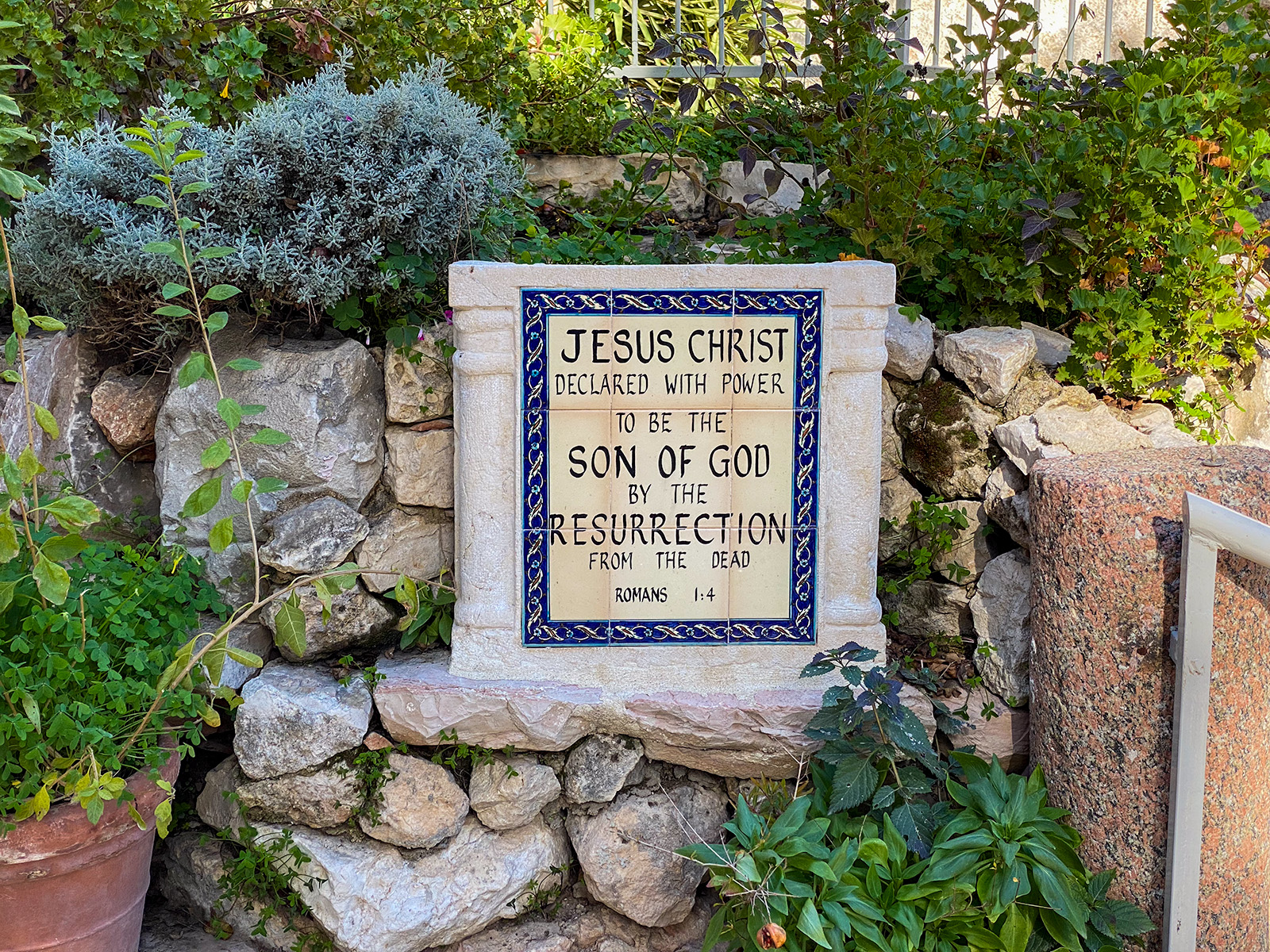
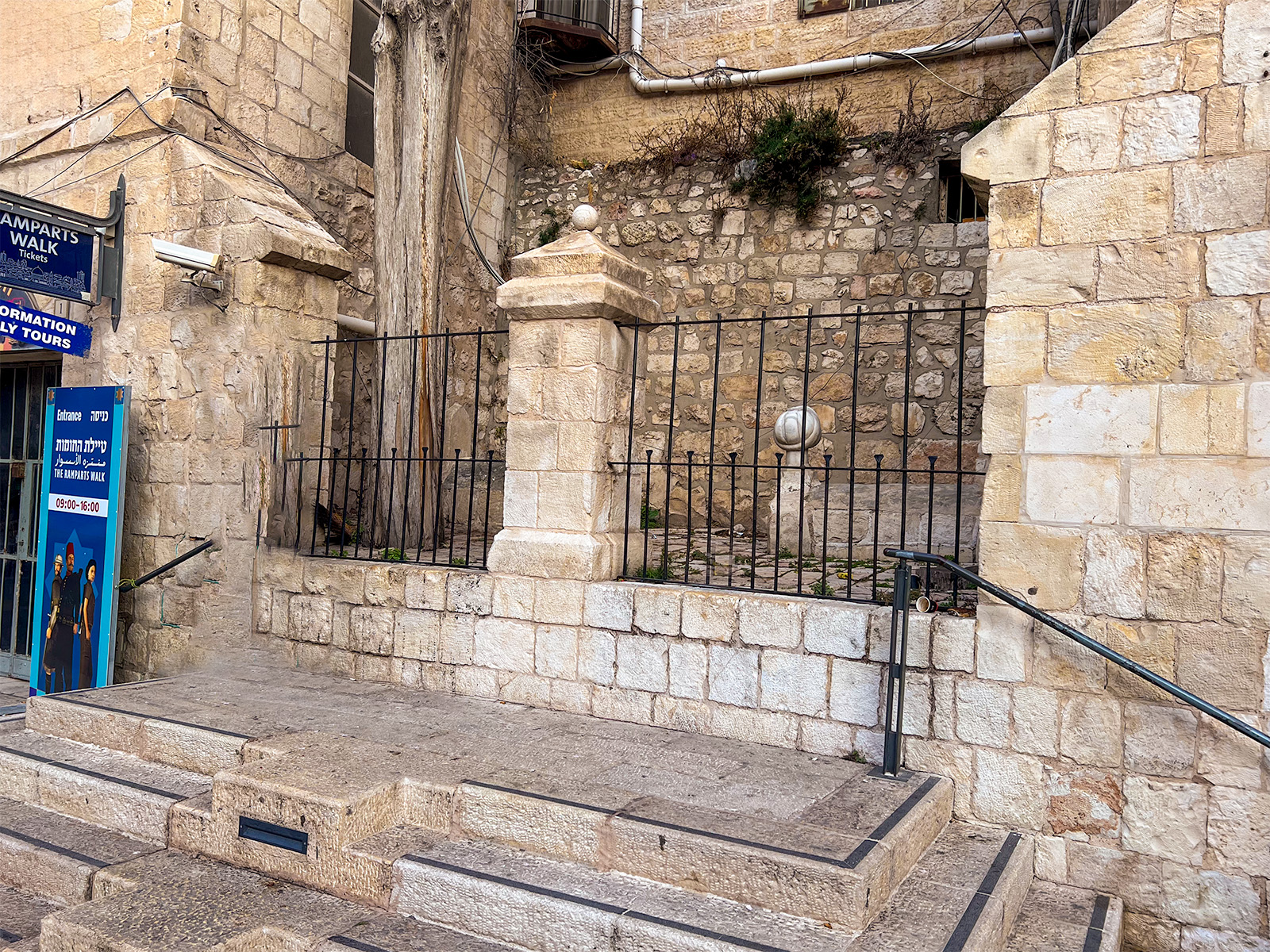
Jerusalem — Old City Gates & Walls Photo Gallery
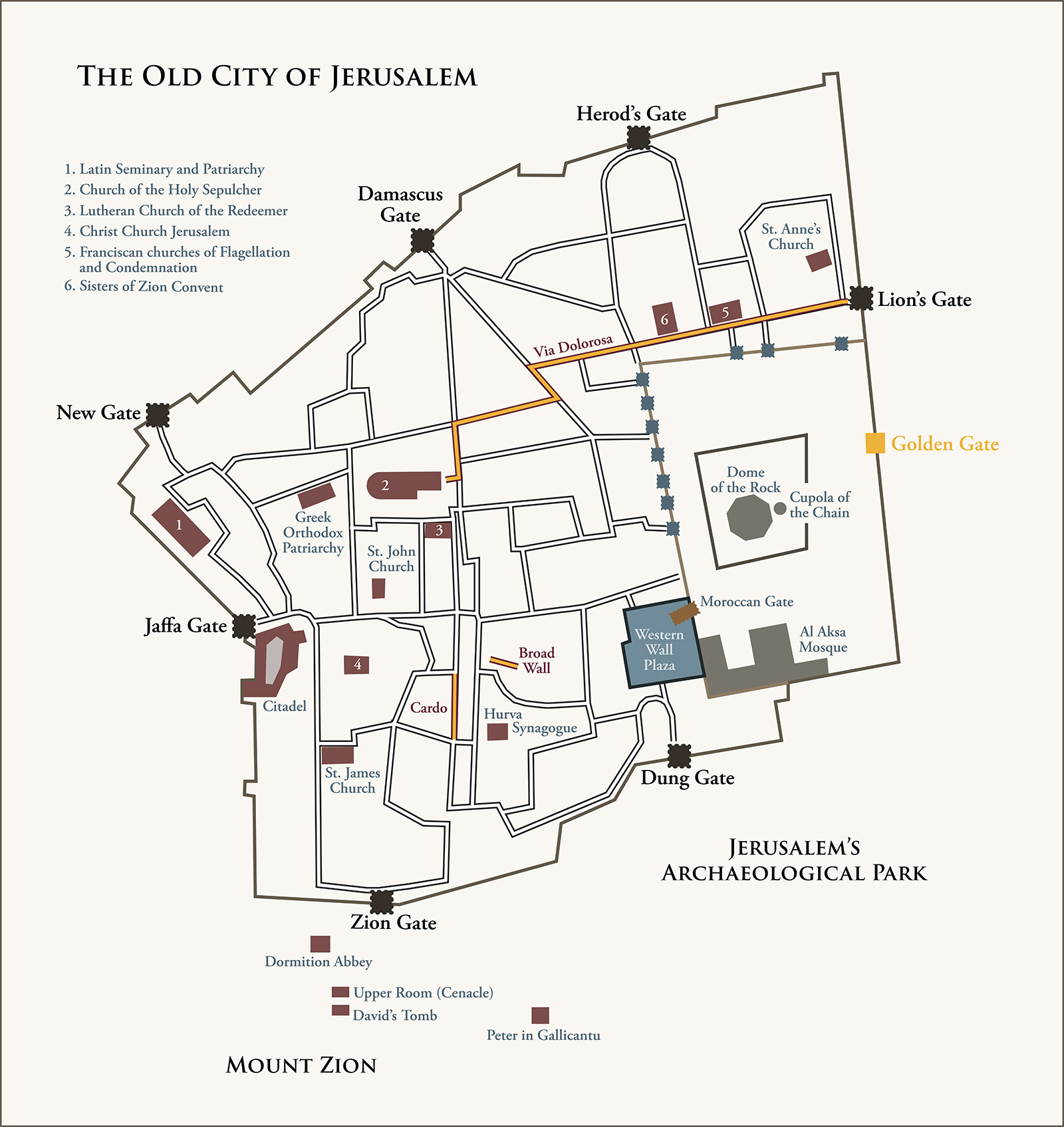
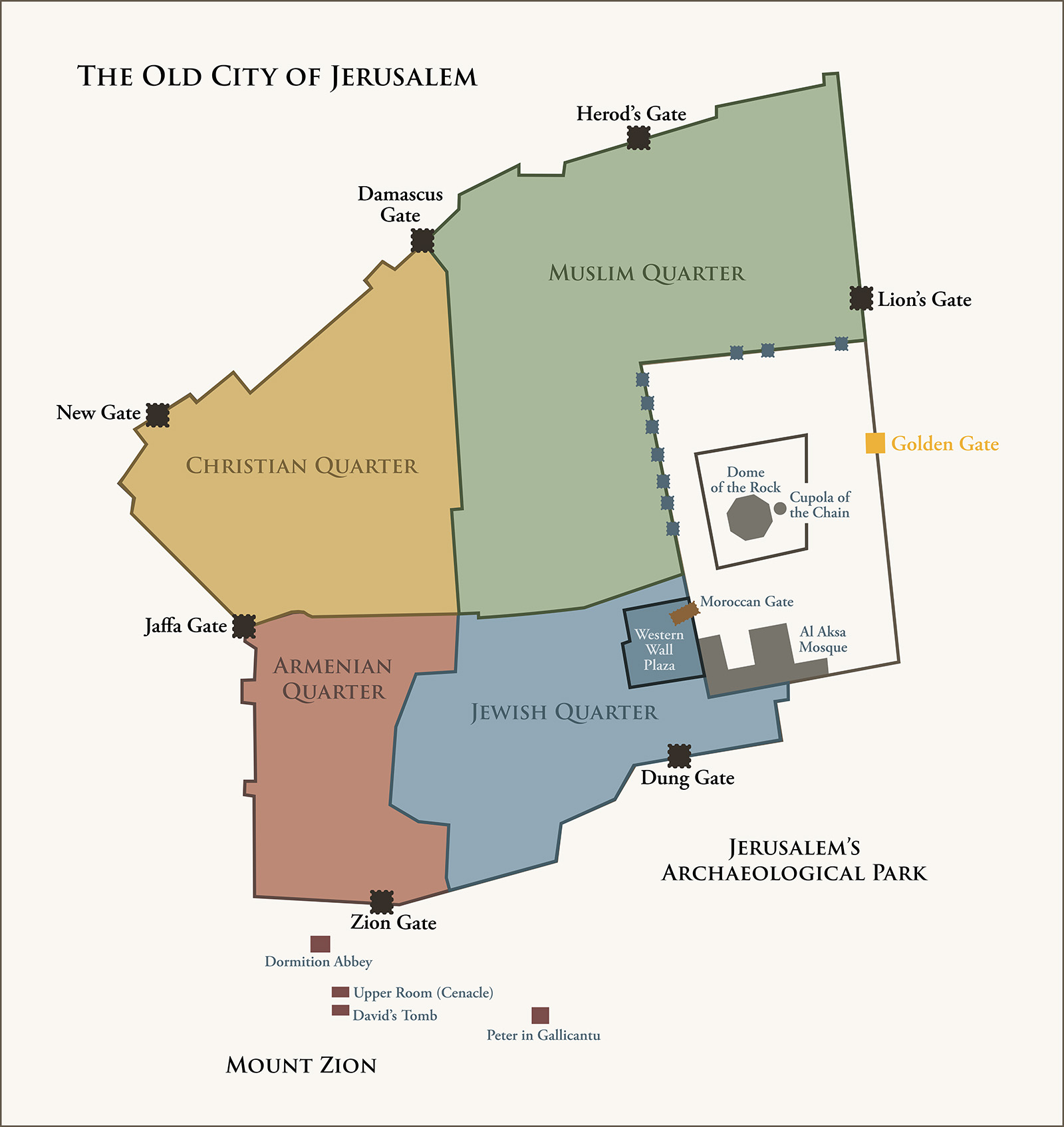
Click the title to view Old City map
For Lions Gate, see Jerusalem — Via Dolorosa. For Zion Gate, see Jerusalem — Mount Zion. For Dung Gate and The Western Wall, see Jerusalem — Temple Mount.
Jerusalem Overview
- Region: Judean Mountains
- Biblical Territory: Benjamin (adjacent to Judah; later capital of the united kingdom and Judah)
- Modern Site: Jerusalem, Israel
- Nearby Landmark: Temple Mount
- Scripture References: Gen. 22:2; 2 Sam. 5:6–10; 1 Kgs. 6–8; 2 Kgs. 25:8–10; Neh. 2–6; Luke 2:41–52; Matt. 21–28; Acts 1–2
Introduction
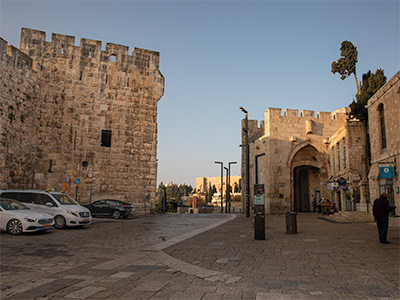
The walls surrounding Jerusalem’s Old City are among its most recognizable landmarks, but they are much younger than many of the places they enclose. Although Jerusalem has been fortified repeatedly since ancient times, the walls visible today date primarily to the Ottoman period.
They were built by order of Sultan Suleiman the Magnificent, ruler of the Ottoman Empire, during the sixteenth century. Construction took place mainly between 1537 and 1541, incorporating or following portions of earlier fortifications. Nearly five centuries later, these massive limestone walls, towers, battlements, and gateways still define the boundaries of the Old City.
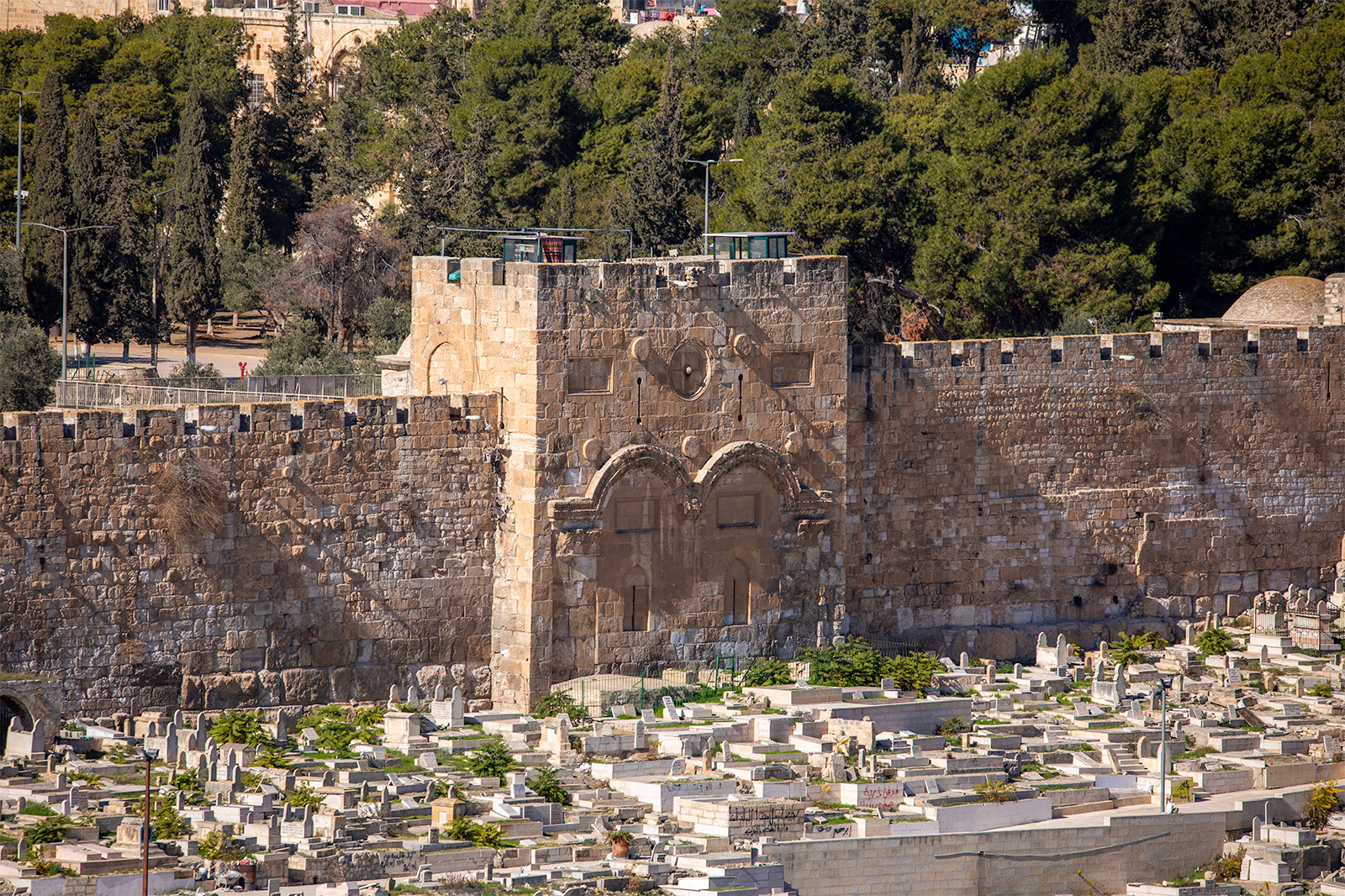
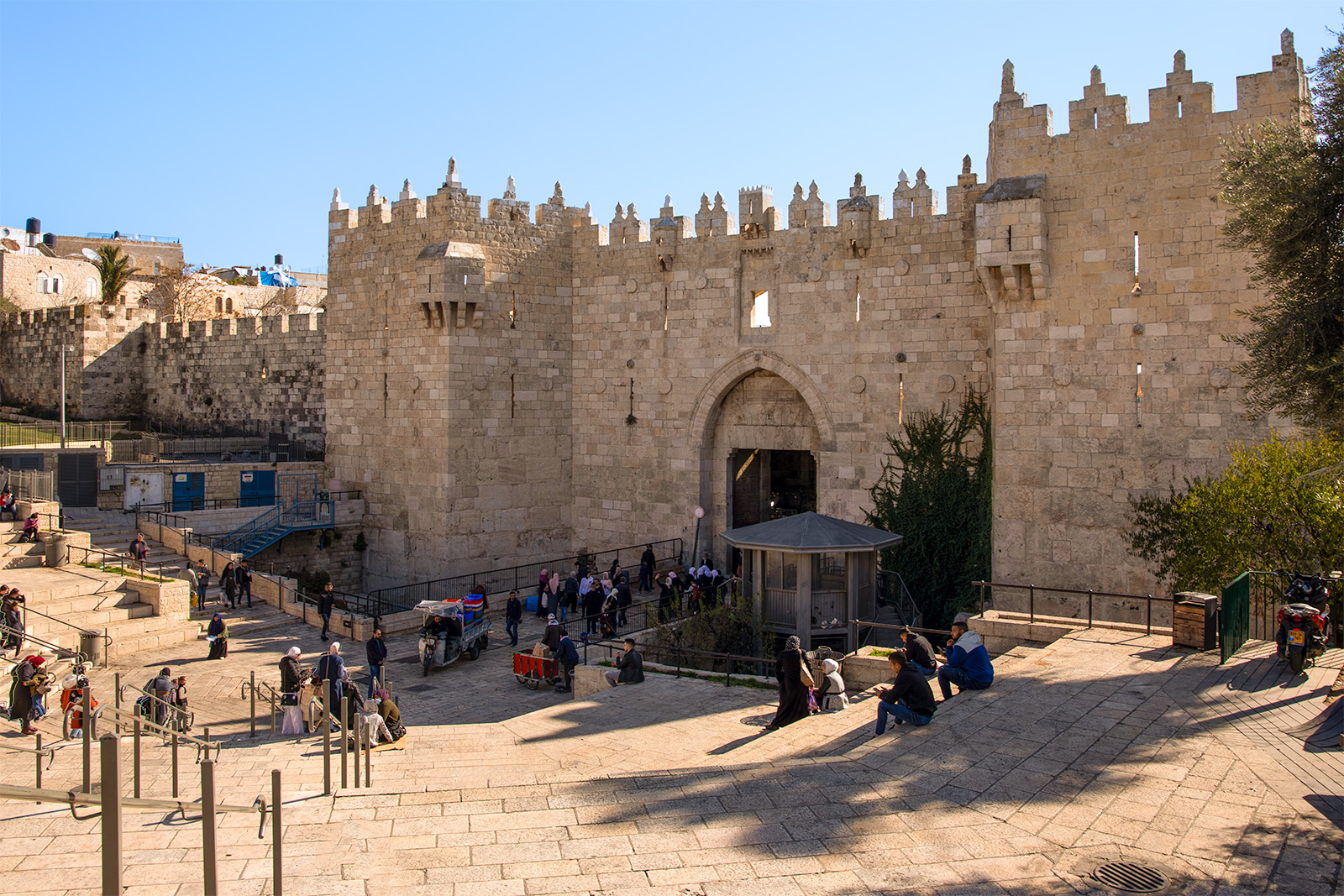
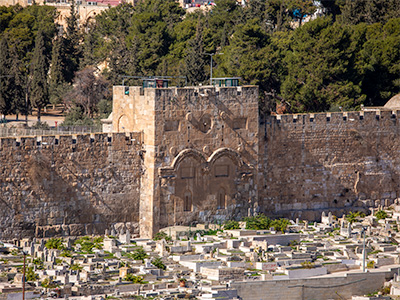
The gates were more than openings through the defenses. They connected Jerusalem with the roads leading to surrounding towns and regions and became important points of movement for residents, merchants, pilgrims, and travelers. Most of the familiar gates—including Jaffa Gate, Damascus Gate, Zion Gate, Dung Gate, Lions Gate, and Herod’s Gate—belong to Suleiman’s rebuilding program. New Gate, however, was opened much later, in the Ottoman period in 1889, while the Golden Gate in the eastern wall remains sealed.
This gallery explores Jerusalem’s walls and gates as they appear today, while also considering the centuries of history preserved in and around them. The walls may be Ottoman, but they stand along a landscape that has been fortified, destroyed, rebuilt, and reshaped many times throughout Jerusalem’s long history.
Golden Gate, Herod’s Gate, & New Gate


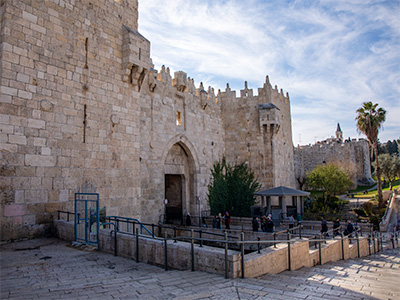
Damascus Gate



Garden Tomb North of Damascus Gate


Jaffa Gate




Tower of David Jerusalem Museum