Scroll To Top
Scroll To Top

Qasr al-Yahud Photo Gallery

(Traditional Baptismal Site of Jesus)

Click the title to view map


Site Overview

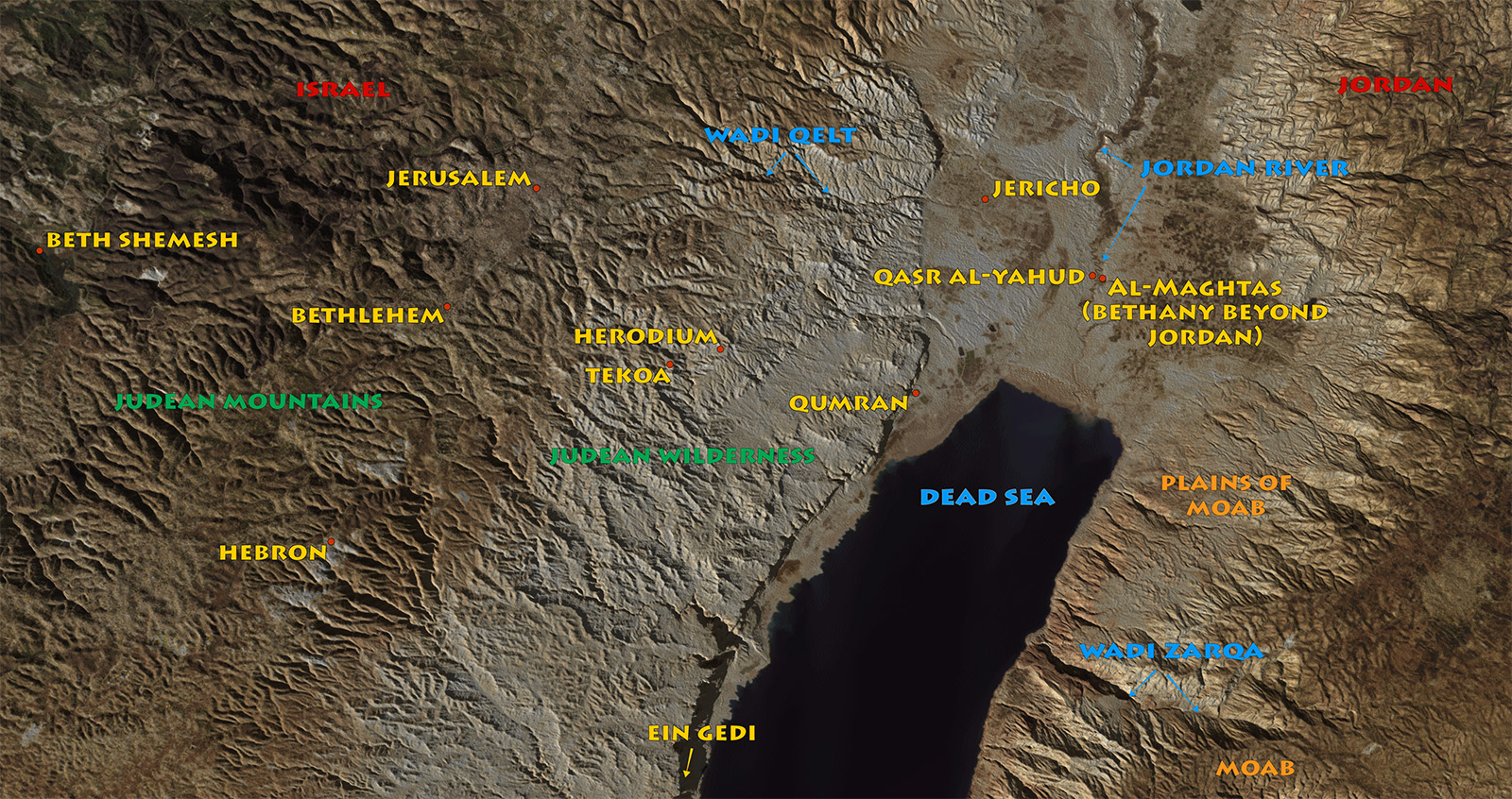
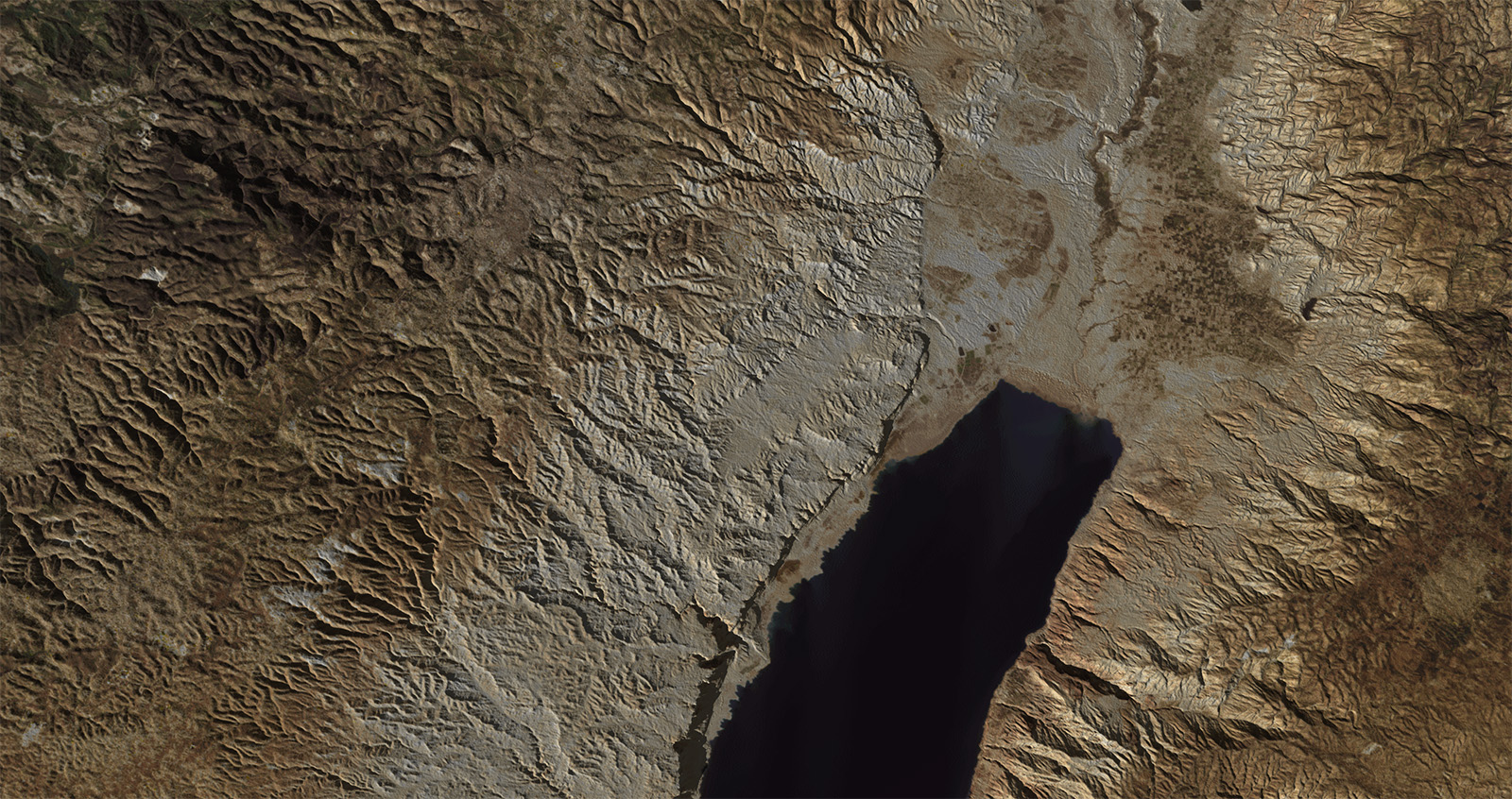
  • Location: Lower Jordan Valley, about five miles (8 km) east of Jericho, on the west bank of the Jordan River, and six miles (10 km) north of the Dead Sea.
  • Biblical Significance: Traditional site of Jesus’s baptism by John the Baptist ( Matt. 3:13–17; Mark 1:9–11; Luke 3:21–22) .
  • Old Testament Setting: Near the traditional area where the Israelites crossed the Jordan into the Promised Land, opposite Jericho ( Josh. 3:14–17; 4:19–24) .
  • John the Baptist: John baptized in the Jordan and ministered at “Bethany beyond Jordan” ( John 1:28; 3:23–26) .
  • Arabic Name: Qasr al-Yahud, meaning “Castle of the Jews”.
  • Christian Tradition: An important pilgrimage and baptismal site since the Byzantine period.
  • Across the Jordan: Faces the traditional baptismal site of Al-Maghtas in modern Jordan.
  • Today: Visitors and pilgrims come to the Jordan River for worship, remembrance, and baptism.

Introduction
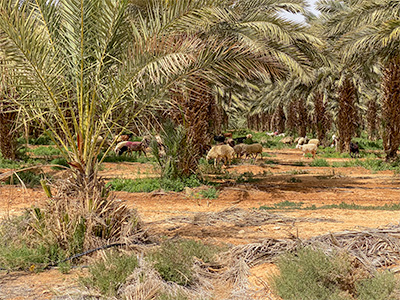
Jericho Date Palms
Scenery on the road from Jericho to Qasr al-Yahud

Qasr al-Yahud lies along the Jordan River east of Jericho, near the northern end of the Dead Sea. Christian tradition identifies this area with the baptism of Jesus by John the Baptist, when Jesus entered the waters of the Jordan and the Father declared Him to be His beloved Son as the Holy Ghost descended upon Him (Matt. 3:13–17).

The area also recalls one of the great events of the Old Testament. After forty years in the wilderness, the children of Israel crossed the Jordan opposite Jericho and entered the Promised Land. As the priests carrying the ark of the covenant stepped into the river, the waters stopped and the people crossed on dry ground (Josh. 3:14–17). Twelve stones were taken from the Jordan as a memorial so future generations would remember what the Lord had done (Josh. 4:1–24).

These two events give the lower Jordan Valley unusual symbolic significance. Israel’s crossing marked the beginning of a new life in the Promised Land, while Jesus’s baptism marked the beginning of His public ministry. Today, pilgrims from throughout the world come to Qasr al-Yahud to remember Jesus’s baptism and to worship along the banks of the Jordan River.
John the Baptist Documentary

Jericho Date Palms

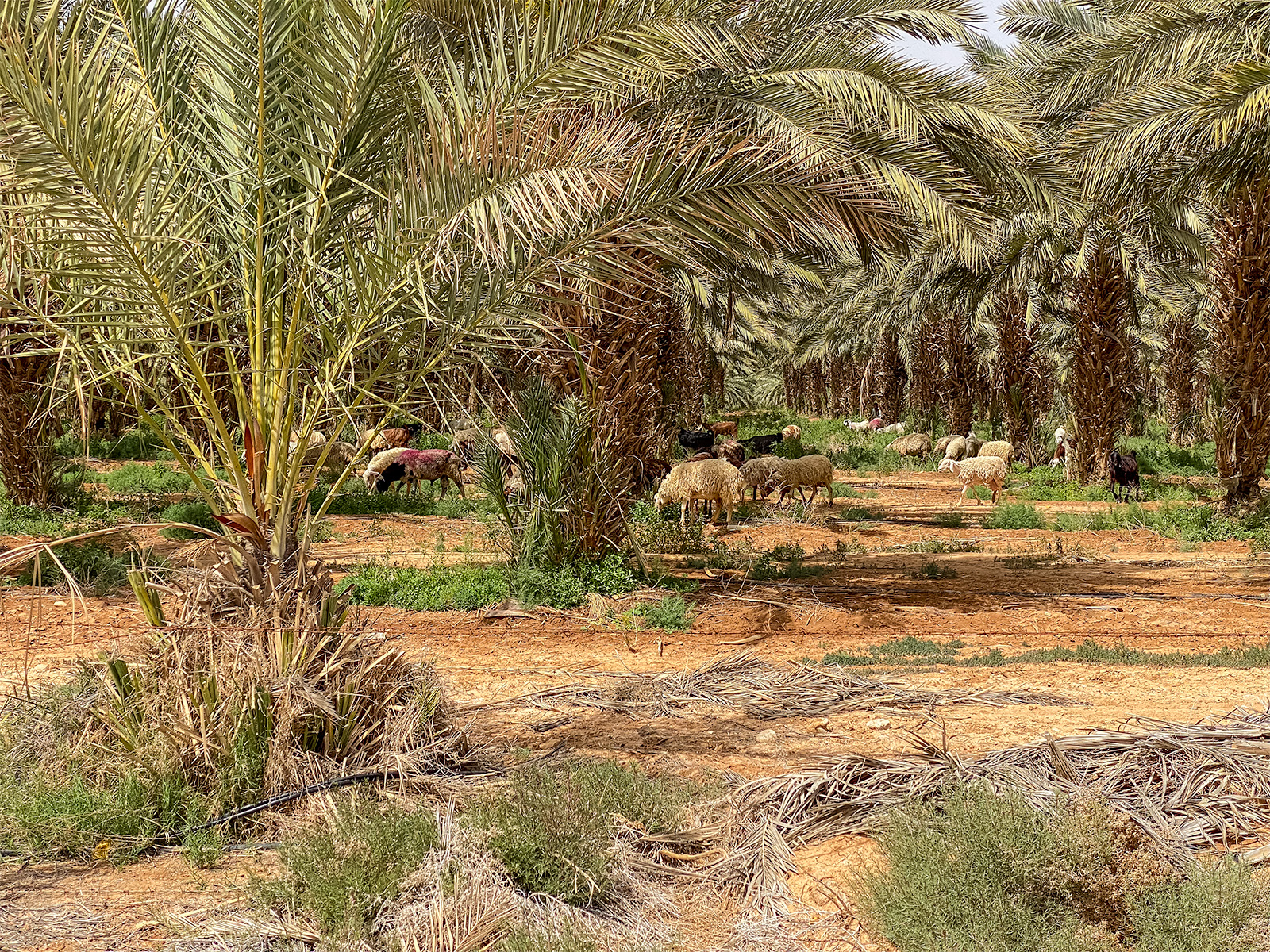
Sheep graze beneath date palms in the fertile Jericho oasis. Fed by abundant springs, the oasis has supported agriculture and pastoral activity for thousands of years, creating a striking contrast with the arid Judean Wilderness that surrounds it.

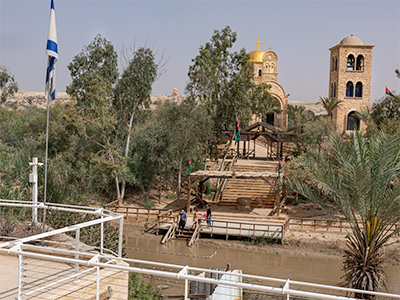
Jericho - Qasr al-Yahud

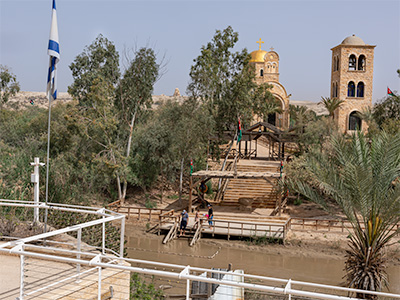
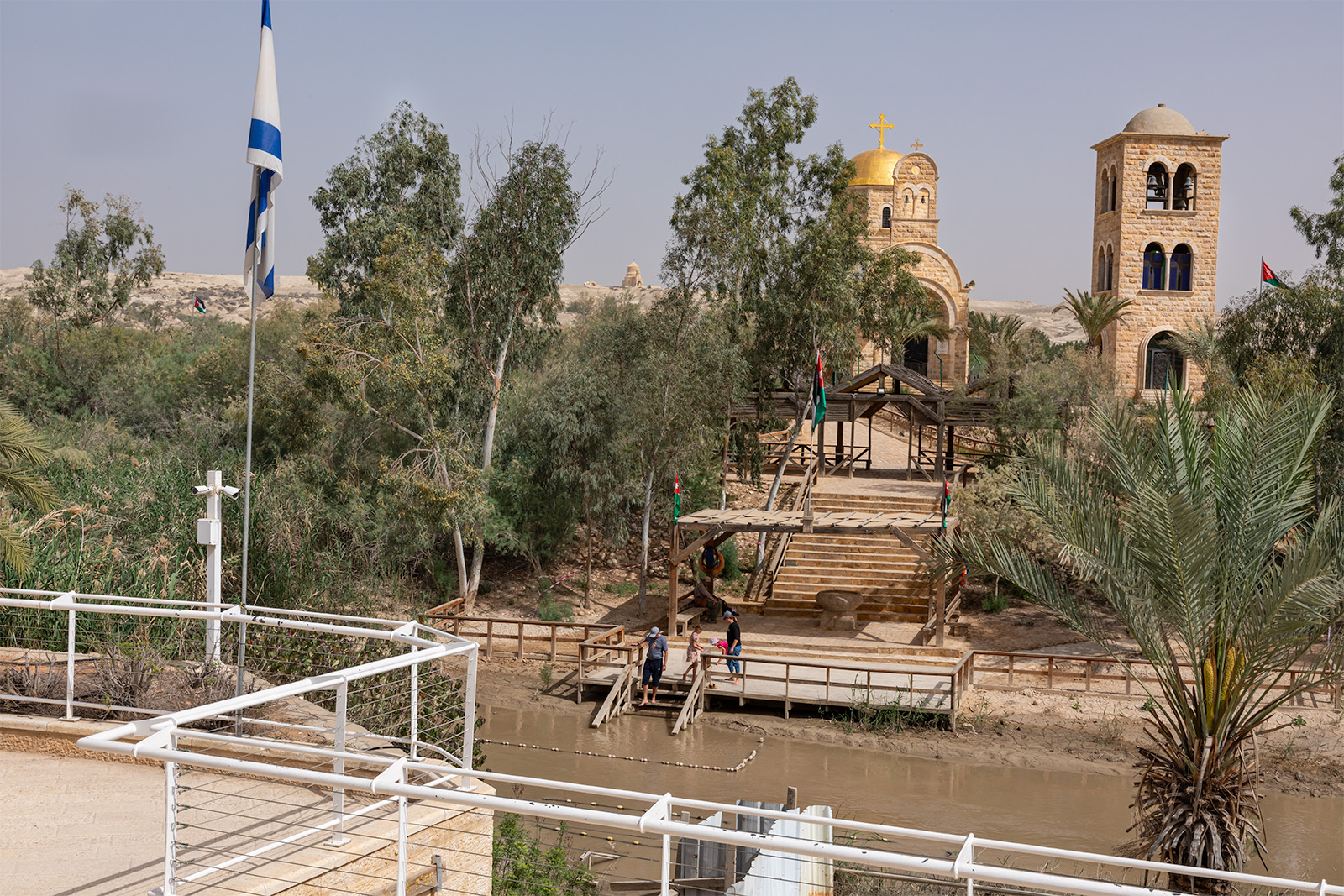
View across the Jordan River from Qasr al-Yahud (“Castle of the Jews”) on the Israeli side toward Al-Maghtas (Bethany Beyond the Jordan) on the Jordanian side. Israeli and Jordanian flags mark the two sides of the narrow river, while a line of floats indicates the boundary beyond which visitors entering the water should not pass.

Jericho - Qasr al-Yahud

Bethany Beyond the Jordan. Looking across the Jordan River from Qasr al-Yahud toward the Jordanian baptismal site known as Bethany Beyond the Jordan, or Al-Maghtas (“the place of baptism”). The larger archaeological site extends eastward from the river to Tell al-Kharrar (Elijah’s Hill) and preserves the remains of early churches, monasteries, hermit caves, and baptismal pools associated with centuries of Christian pilgrimage. Christian tradition identifies this area with “Bethany beyond Jordan,” where John baptized and where Jesus came to be baptized (John 1:28; Matt. 3:13–17). The site was inscribed on the UNESCO World Heritage List in 2015.

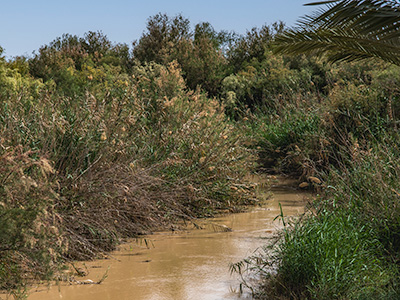
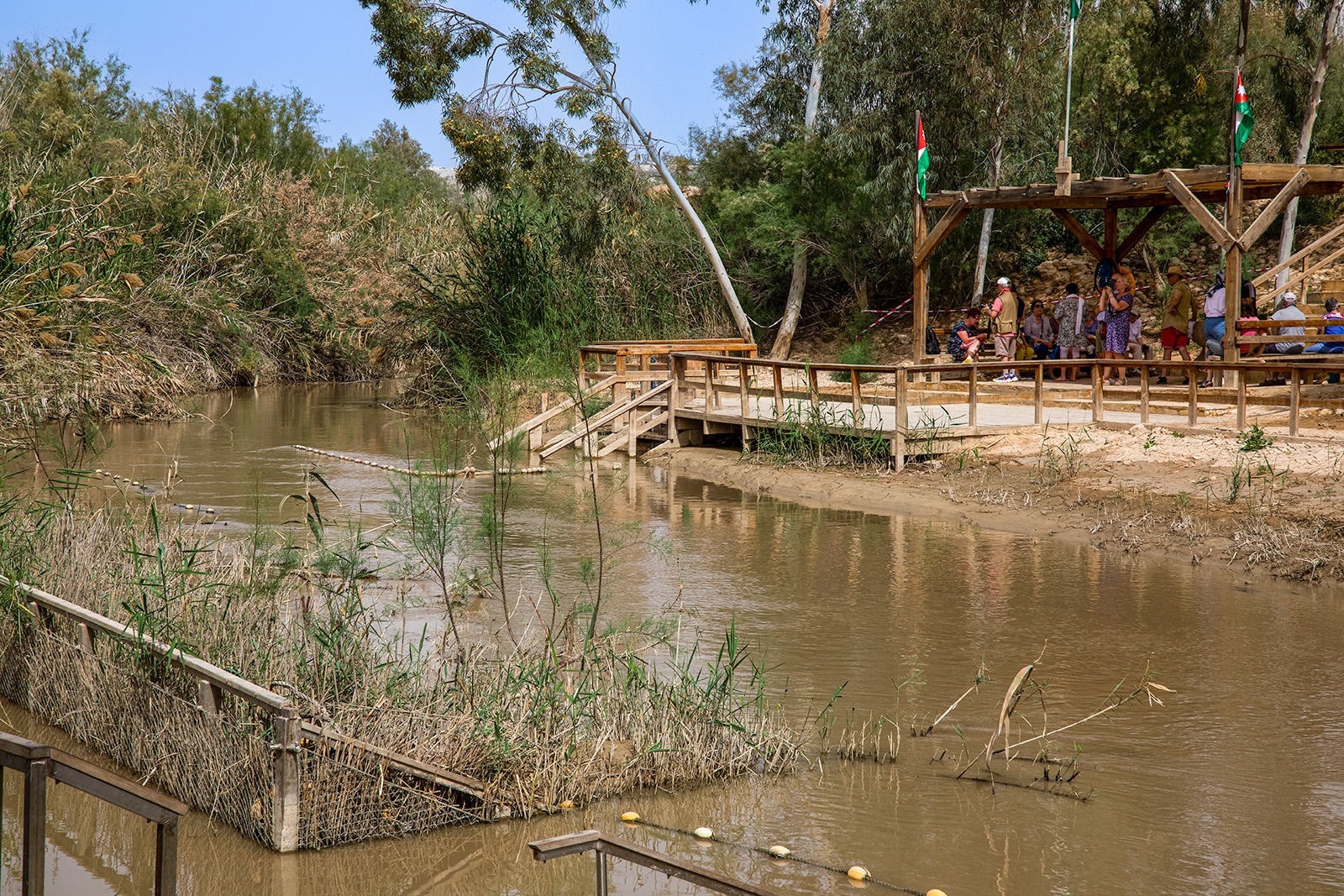
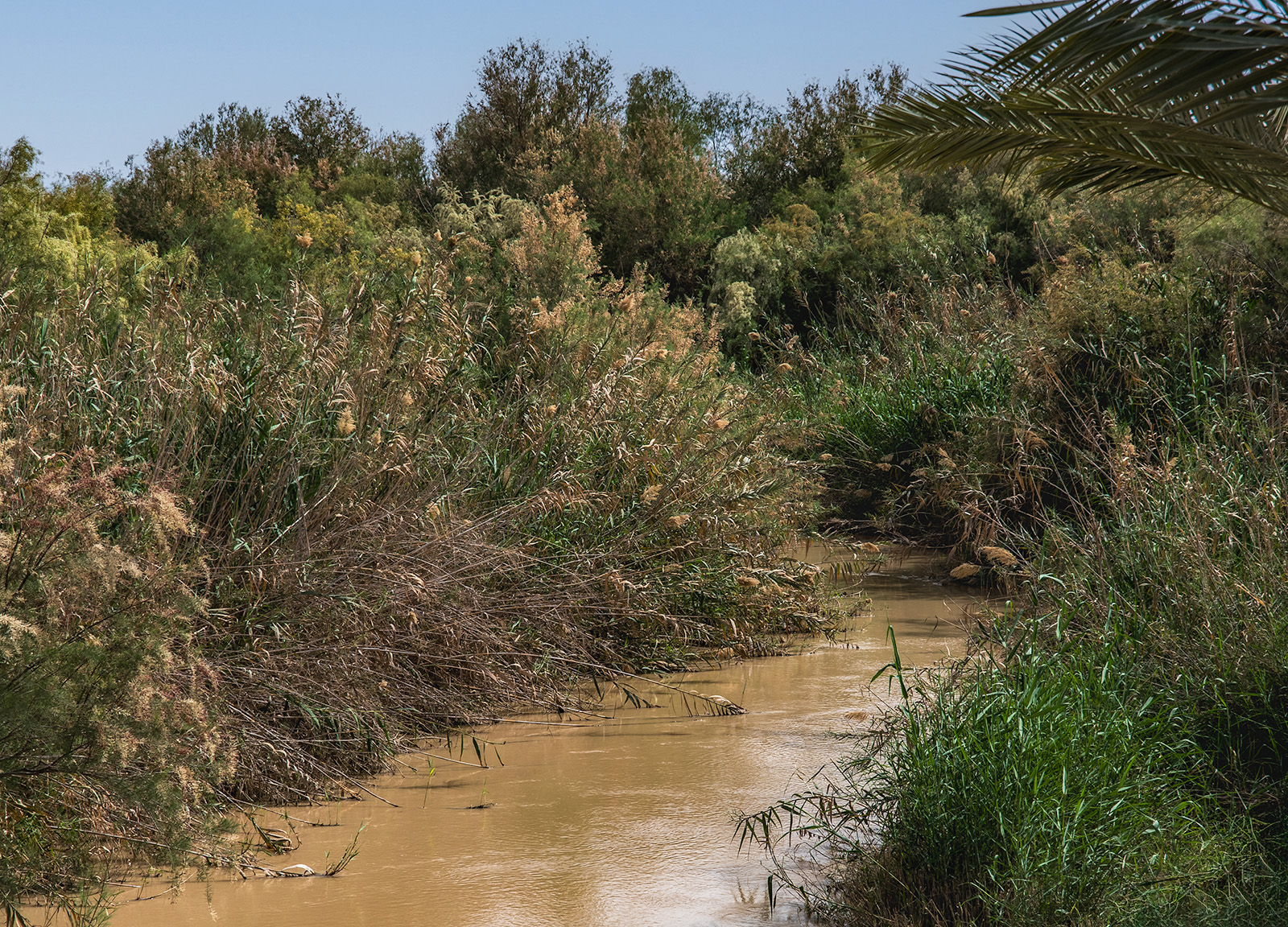
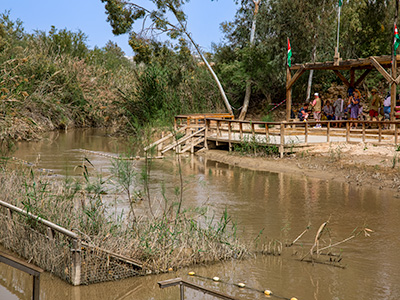
Dense vegetation lines the Jordan River near Qasr al-Yahud, offering a sense of the more secluded landscape in which John the Baptist preached. John drew upon the imagery of his surroundings, warning that “the axe is laid unto the root of the trees” (Matt. 3:10). In antiquity, the thickets of the Jordan Valley also provided habitat for wild animals, including lions.

Jericho - Qasr al-Yahud

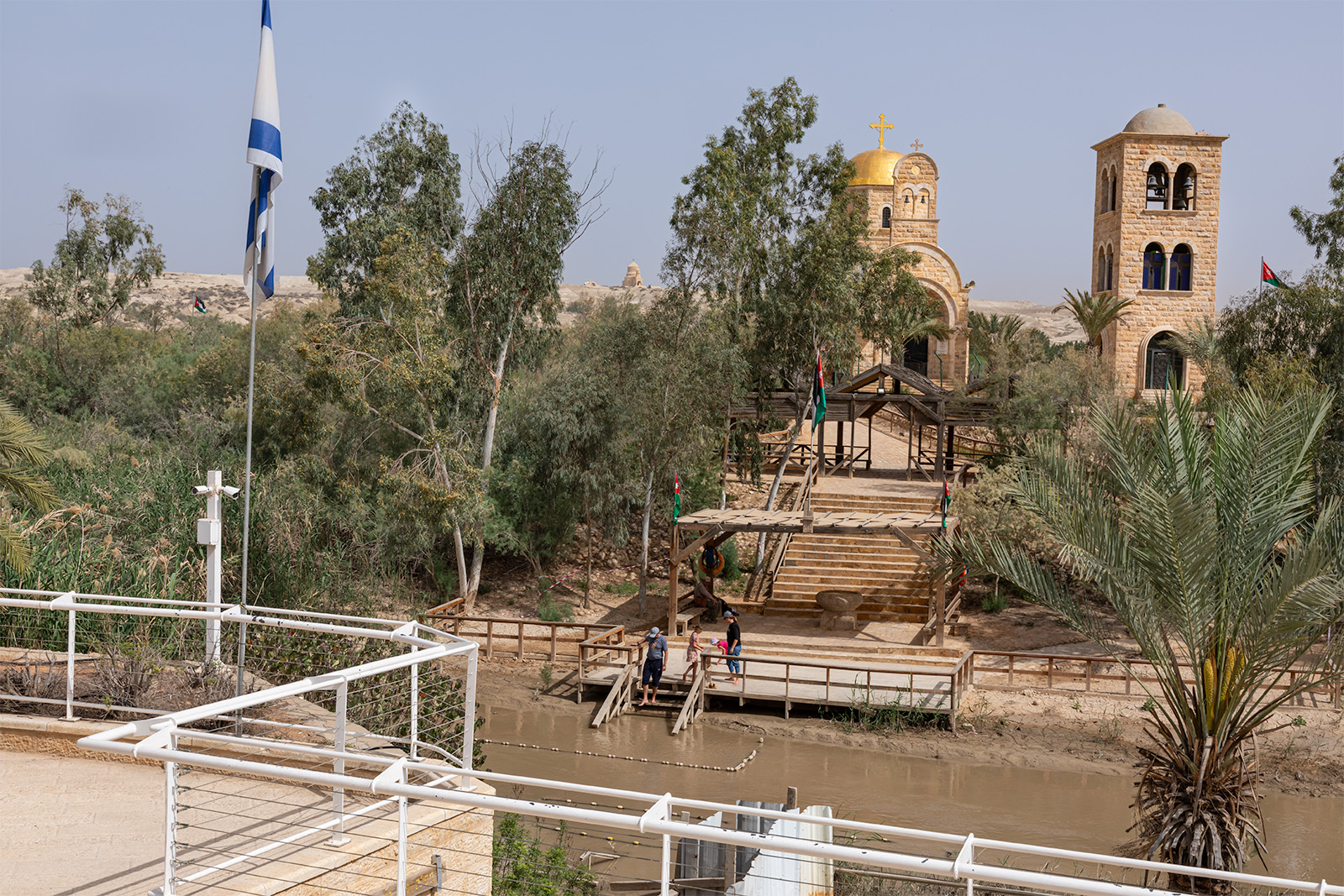
Telephoto view from Qasr al-Yahud across the Jordan River toward the Greek Orthodox Church of St. John the Baptist and its bell tower at Al-Maghtas (Bethany Beyond the Jordan). The modern church is part of the Christian pilgrimage complex on the Jordanian side, near the area traditionally associated with John the Baptist’s ministry and the baptism of Jesus.

Jericho - Qasr al-Yahud

The Jordan River winds between dense reeds on its way to the Dead Sea, seen here from the Israeli side of the river.

Jericho - Qasr al-Yahud

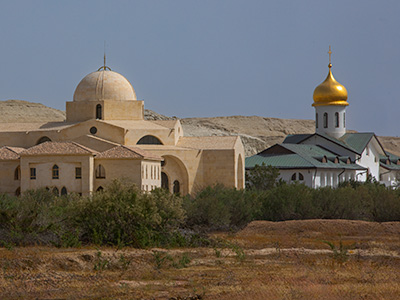
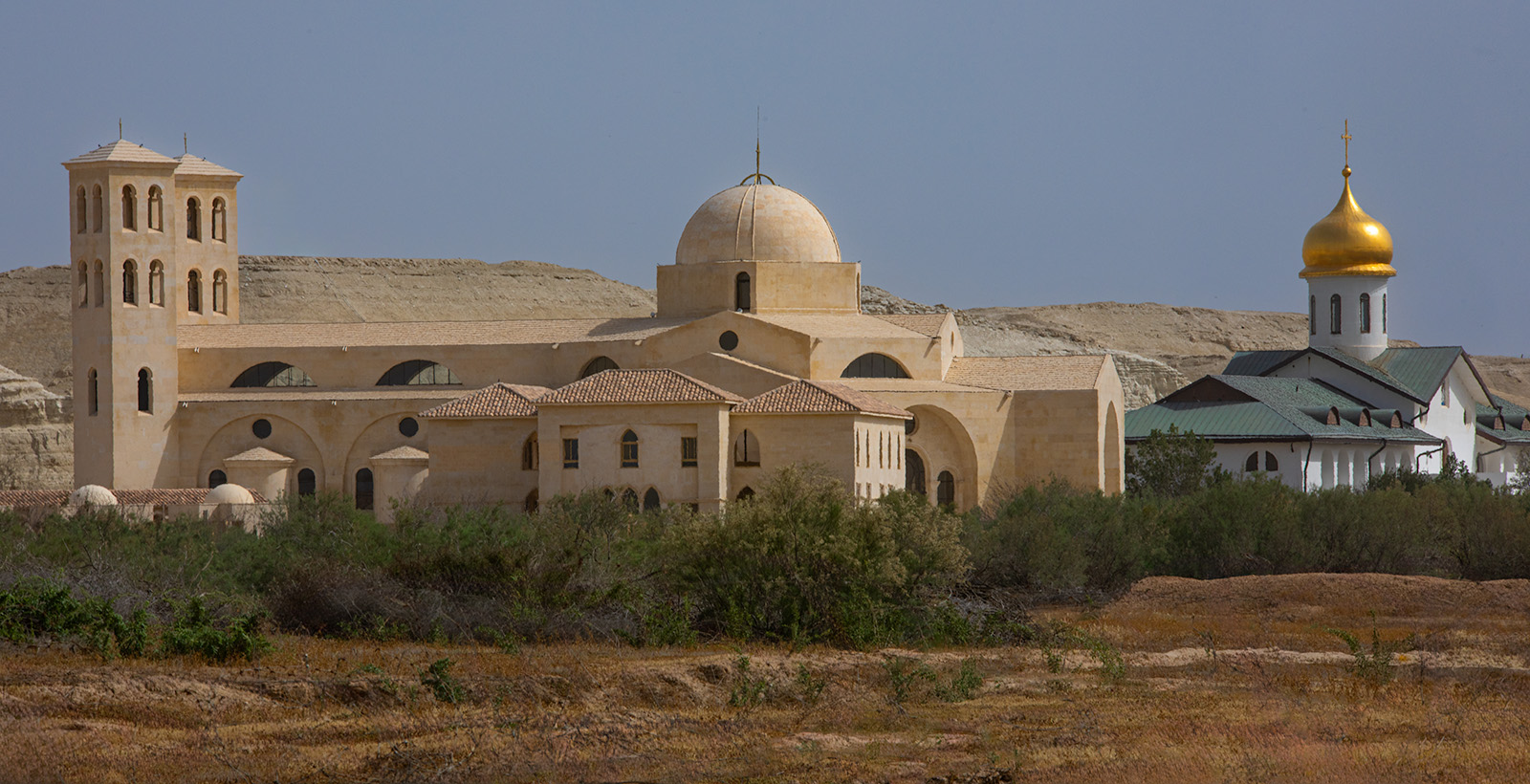
Land of the Monasteries. South of Qasr al-Yahud stand several Christian monasteries and chapels associated with the traditional site of Jesus’s baptism. The large complex on the left is the Ethiopian Orthodox Monastery of the Holy Trinity, while the gold-domed church on the right belongs to the Russian Orthodox compound. The monasteries were abandoned after the Six-Day War in 1967, when the area became a closed military zone and was heavily mined. Decades later, an extensive demining project made possible the restoration and eventual reopening of these historic Christian properties.

Jericho - Qasr al-Yahud

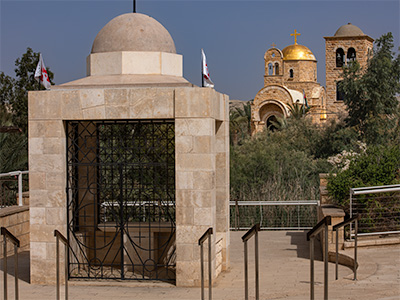
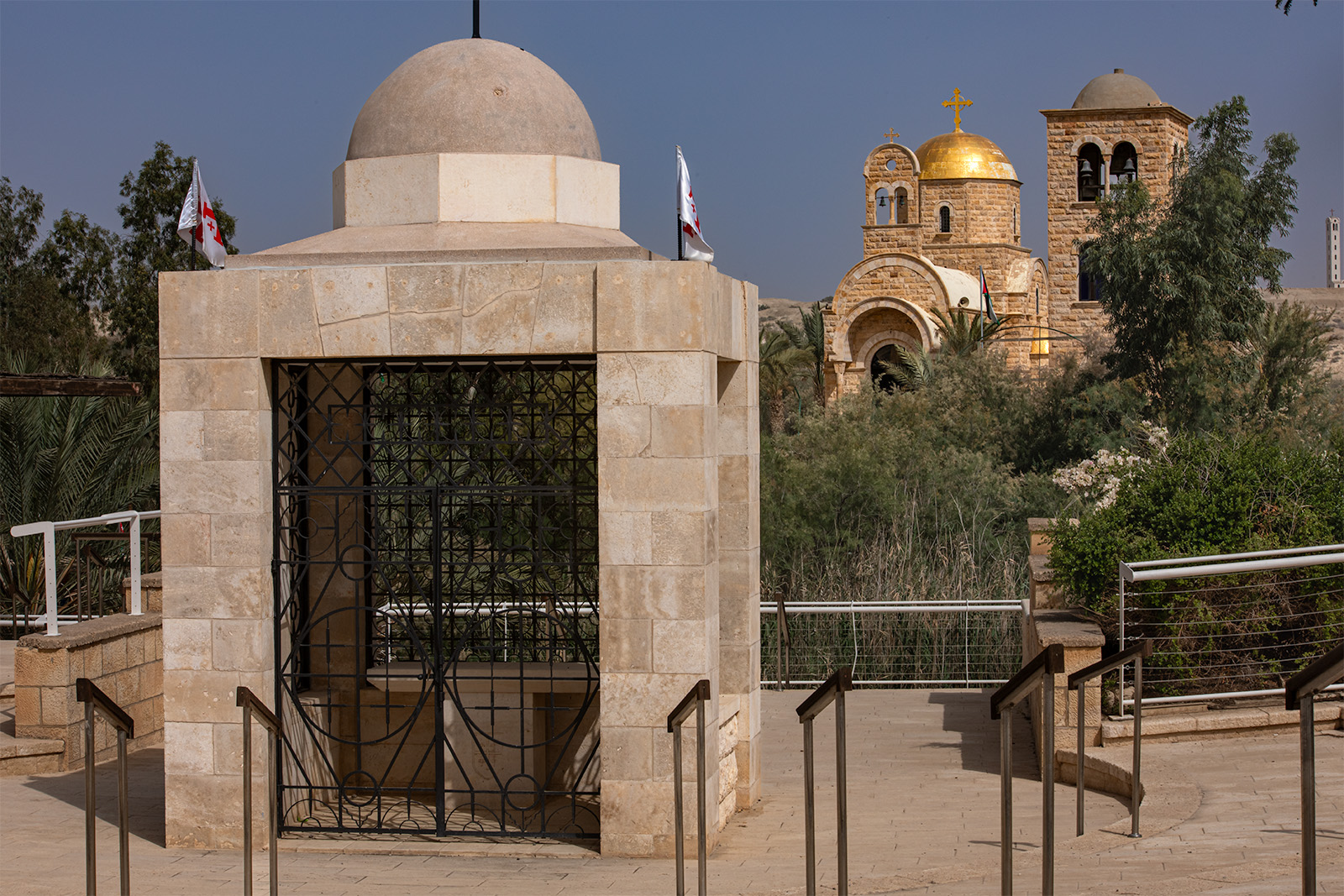
Prayer Chapel. A small domed prayer chapel stands near the Jordan River at Qasr al-Yahud, providing pilgrims a place for prayer and reflection at the traditional site of Jesus’s baptism. The baptismal site lies just beyond the chapel, while the Greek Orthodox Church of St. John the Baptist and its bell tower at Al-Maghtas (Bethany Beyond the Jordan) can be seen on the other side of the river in the background.

Click the map to show or hide the overlay

Ein Harod Map