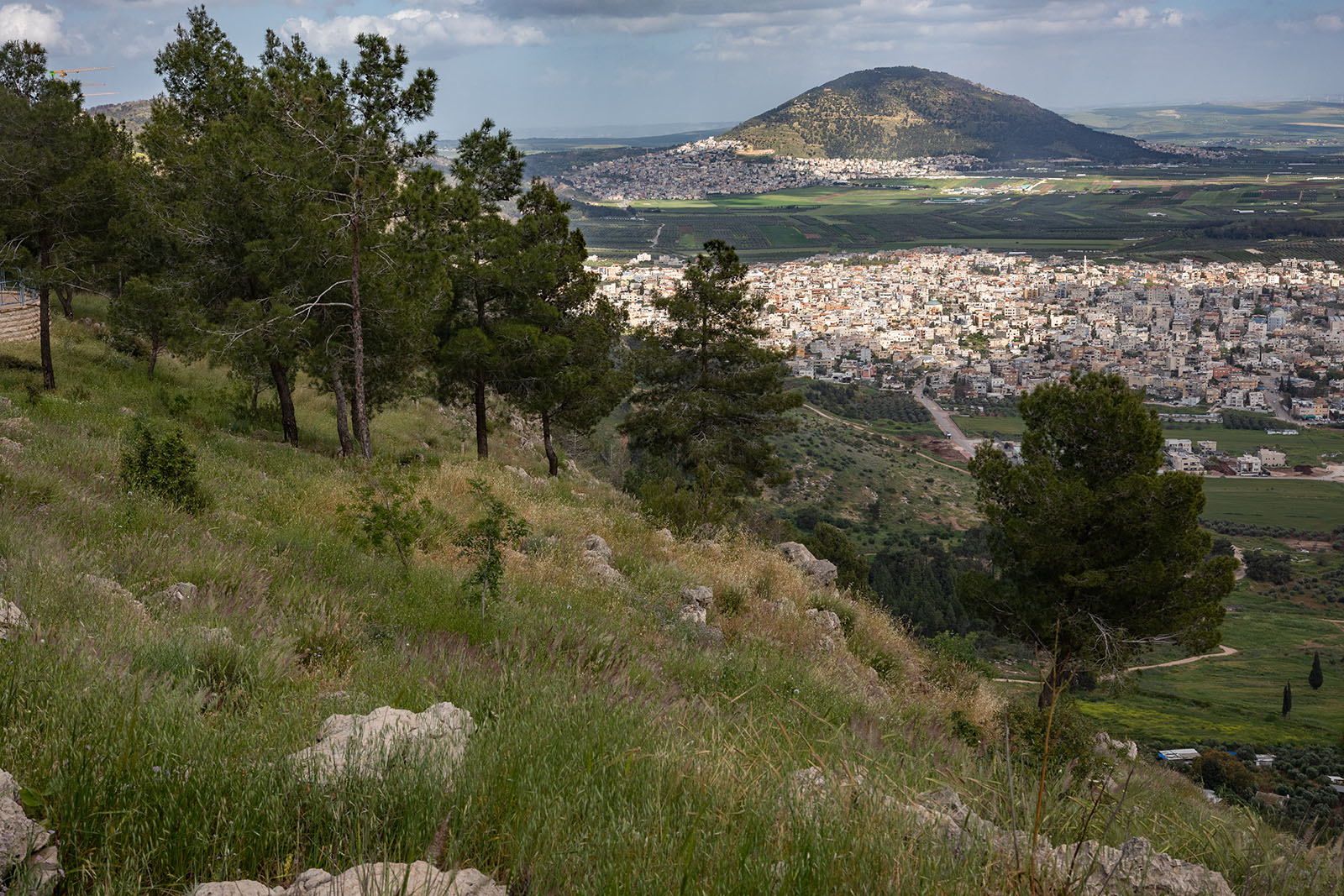
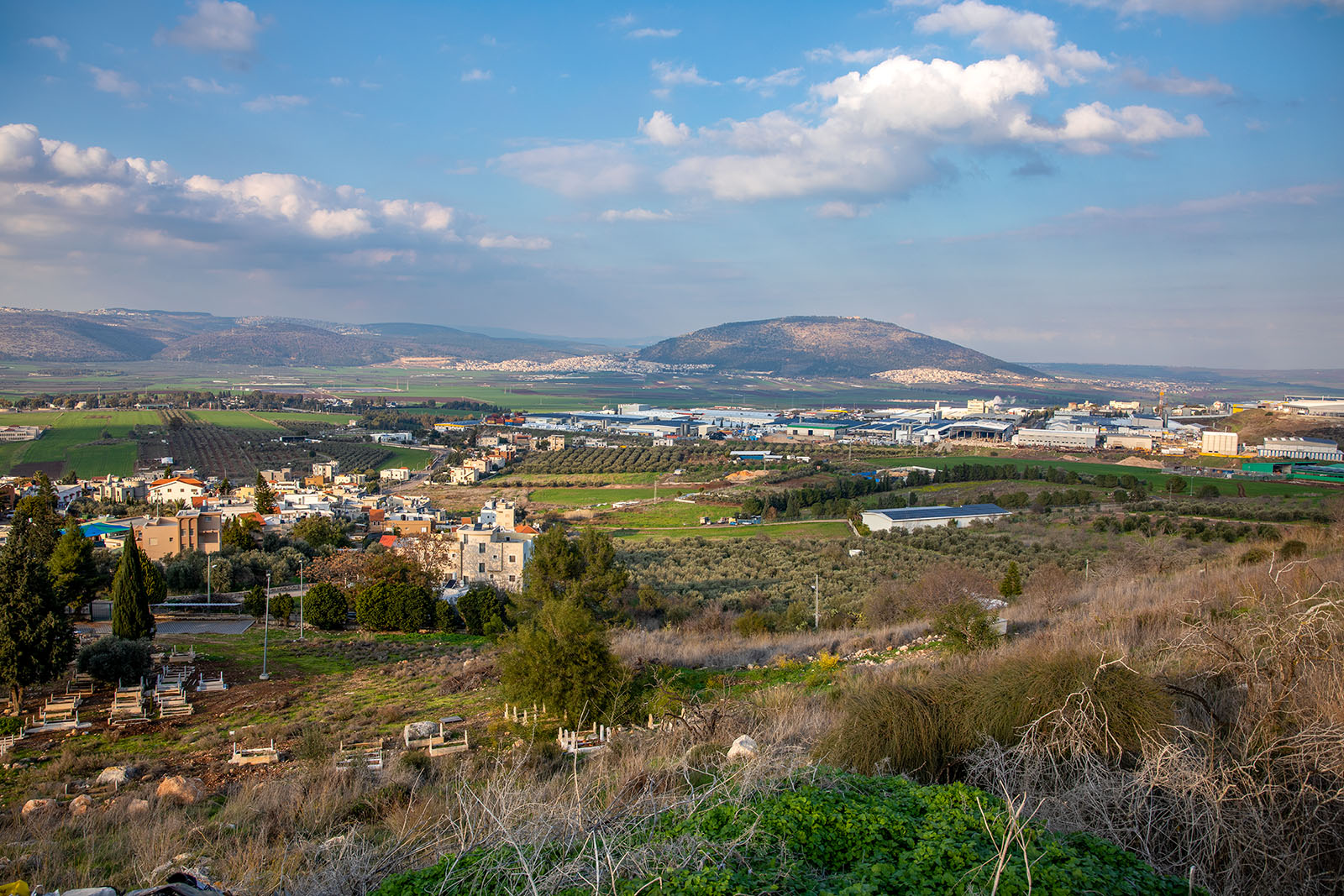
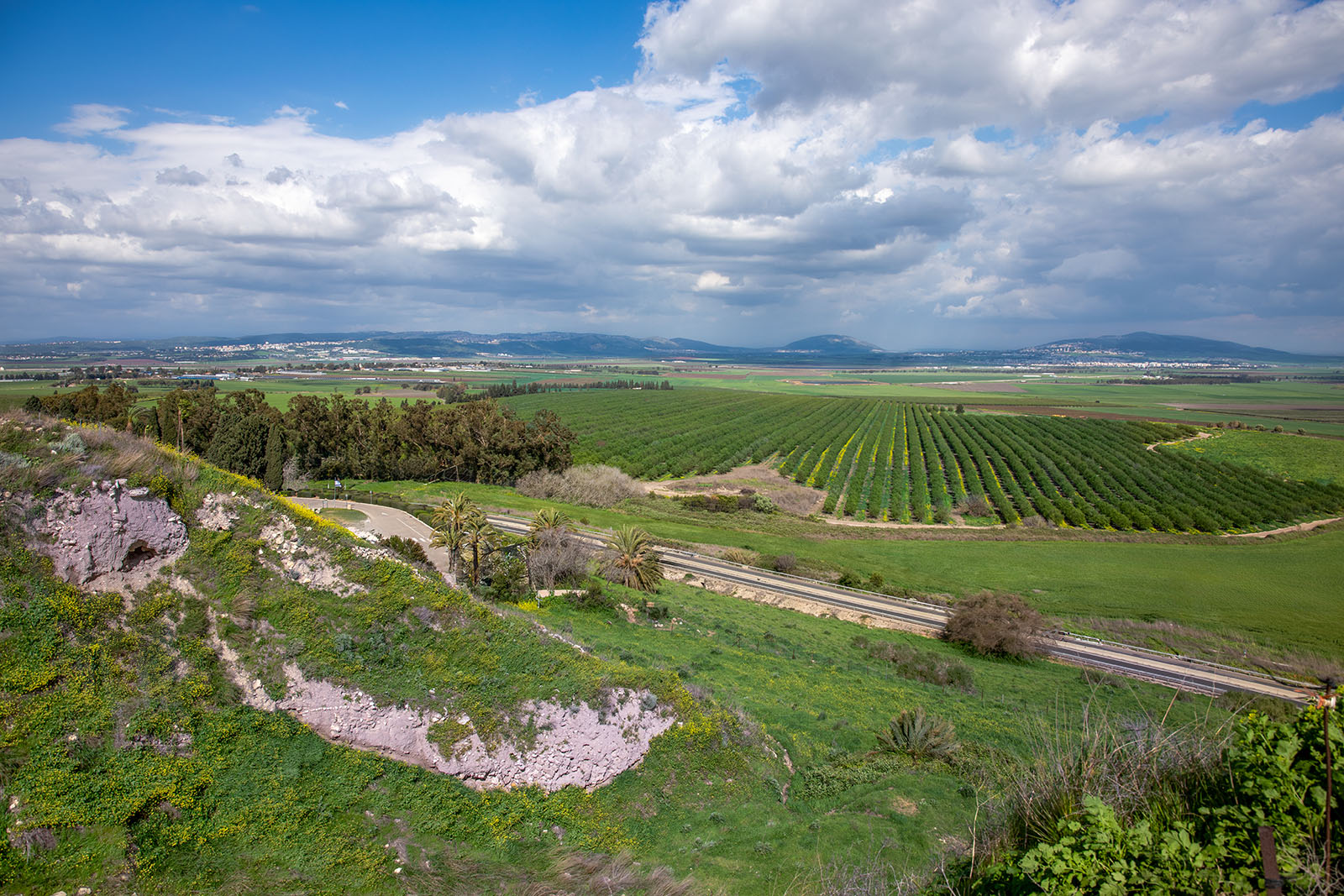
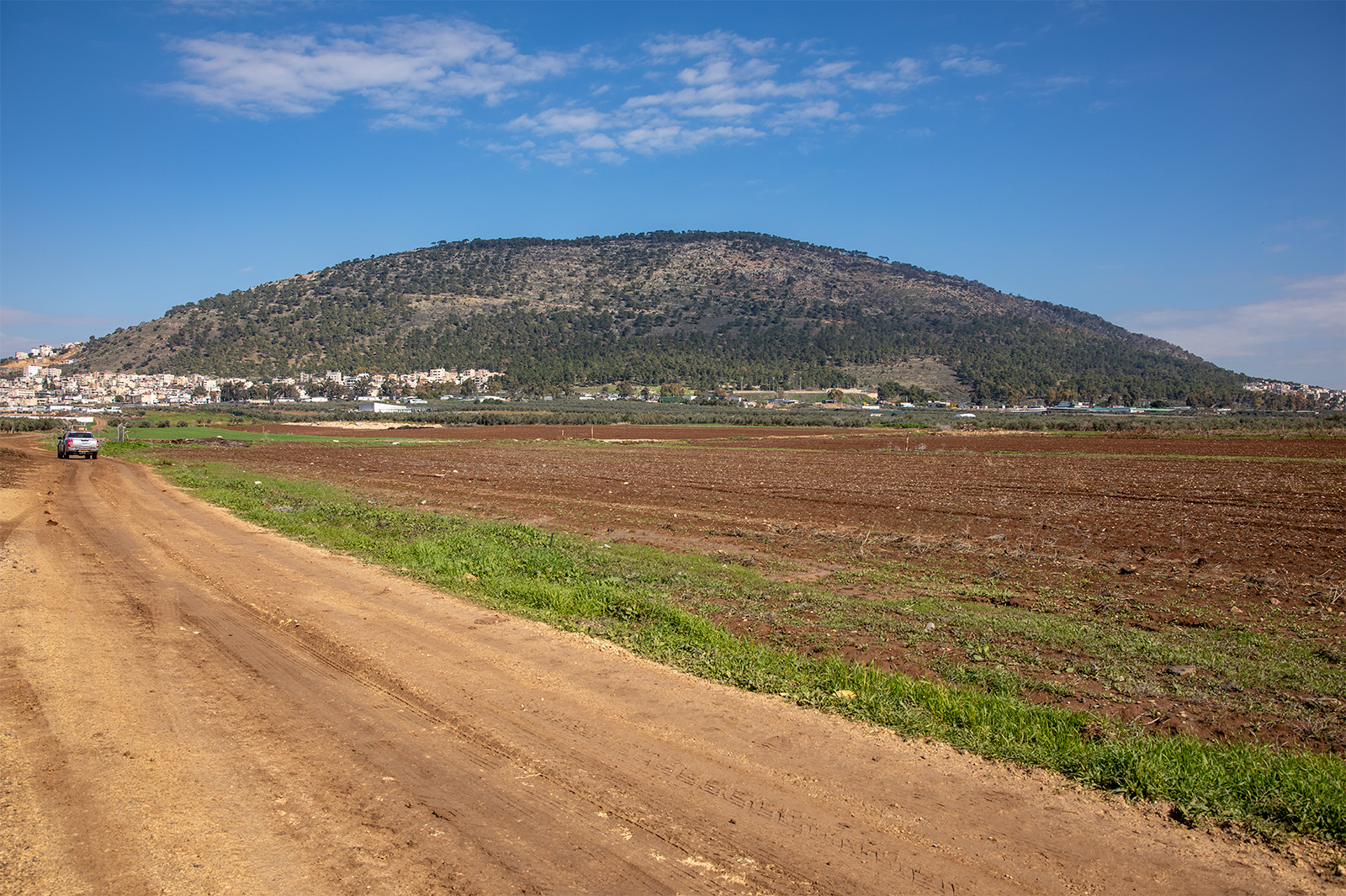
Mount Tabor Photo Gallery
Click the title to view map
Site Overview
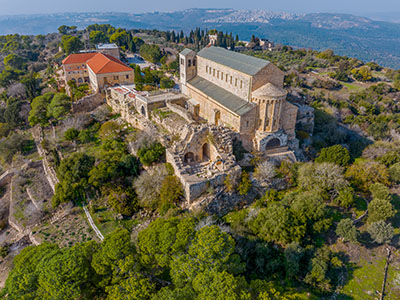
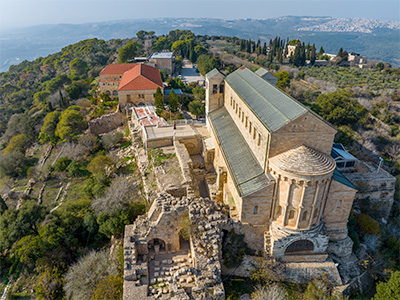
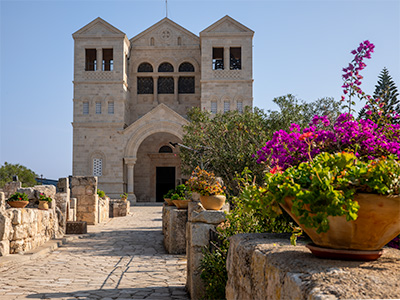
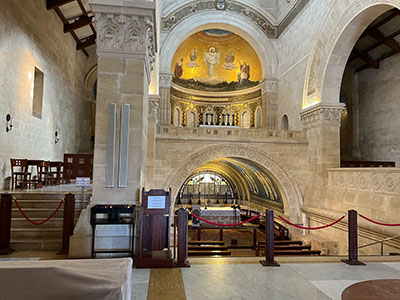
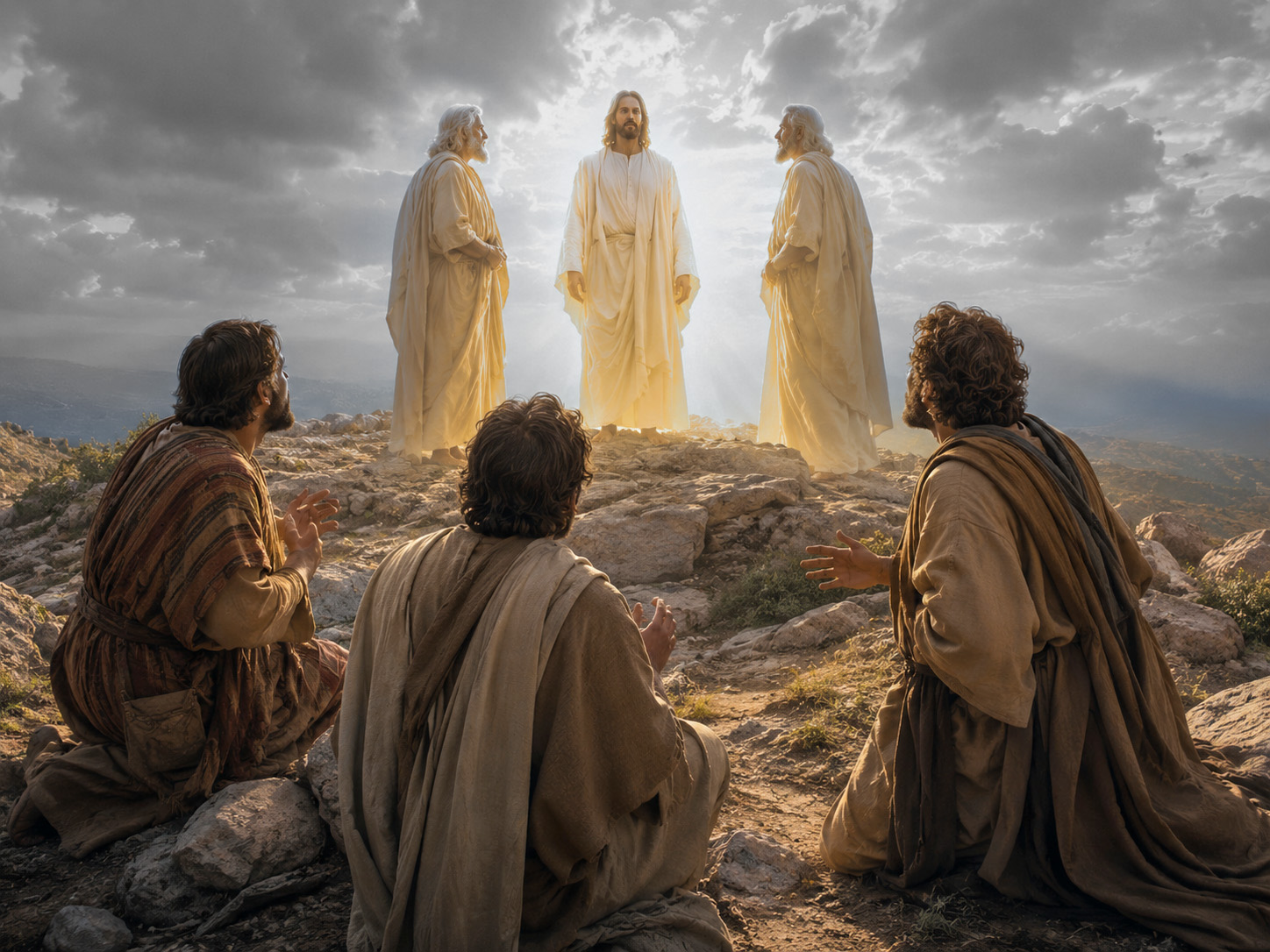
- Traditional Site of the Transfiguration — For nearly two thousand years, Mount Tabor has been revered by Christians as the traditional location where Jesus was transfigured before Peter, James, and John. Although the Gospels do not identify the mountain by name, this association dates to the early centuries of Christianity and remains the focus of pilgrimage today.
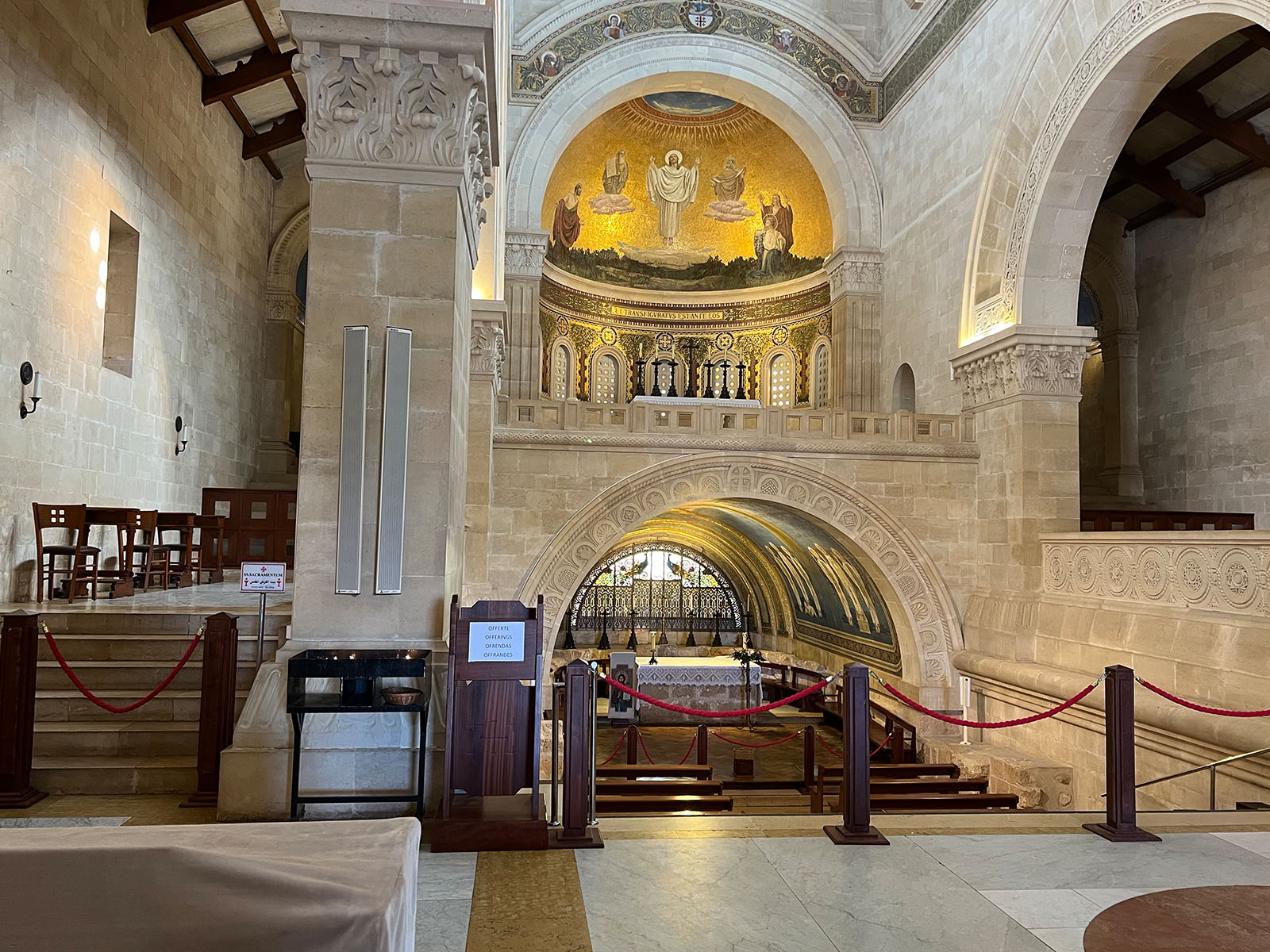
- The Glory of the Son Revealed — Here Jesus' appearance was transformed, His face shone with heavenly glory, Moses and Elijah appeared beside Him, and the Father's voice declared, "This is my beloved Son... hear ye him."
- A Witness Before the Cross — The Transfiguration strengthened the faith of the three apostles shortly before Christ began His final journey to Jerusalem, preparing them for the suffering and resurrection that lay ahead.
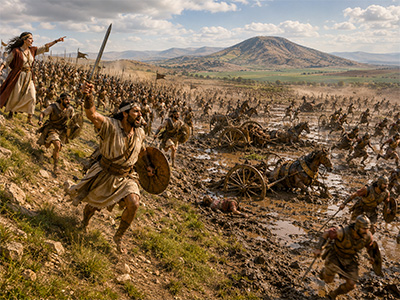
- A Mountain of Biblical History — Long before the New Testament, Mount Tabor served as an important landmark in Israel's history, including Deborah and Barak's victory over Sisera (Judges 4–5) and other significant Old Testament events.
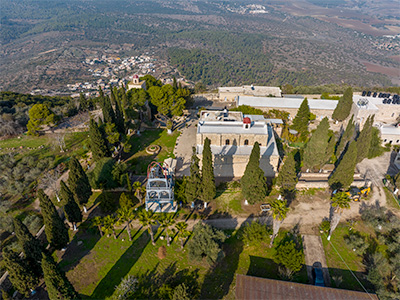
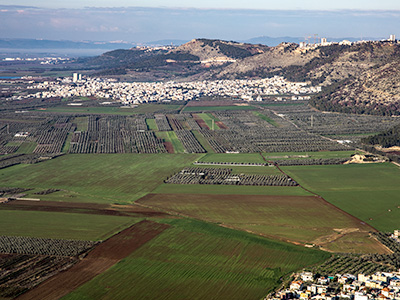
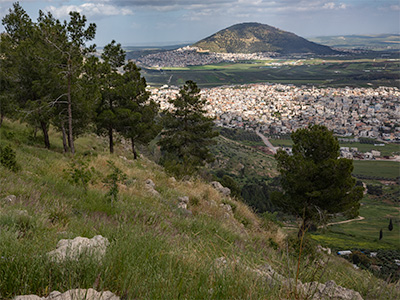
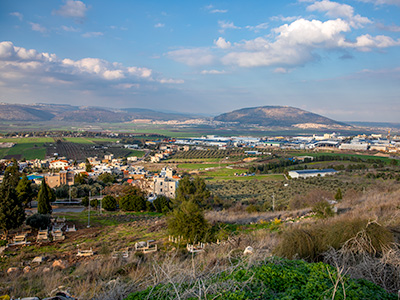
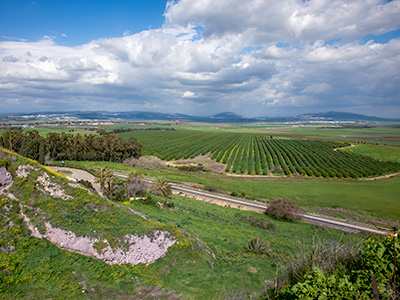
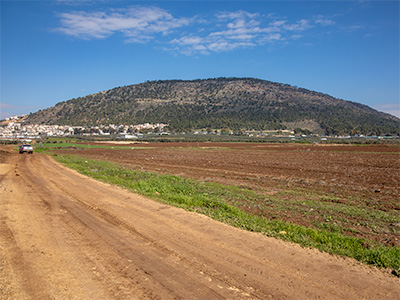
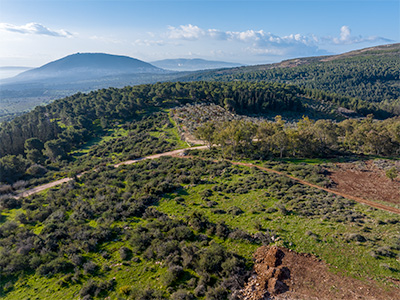
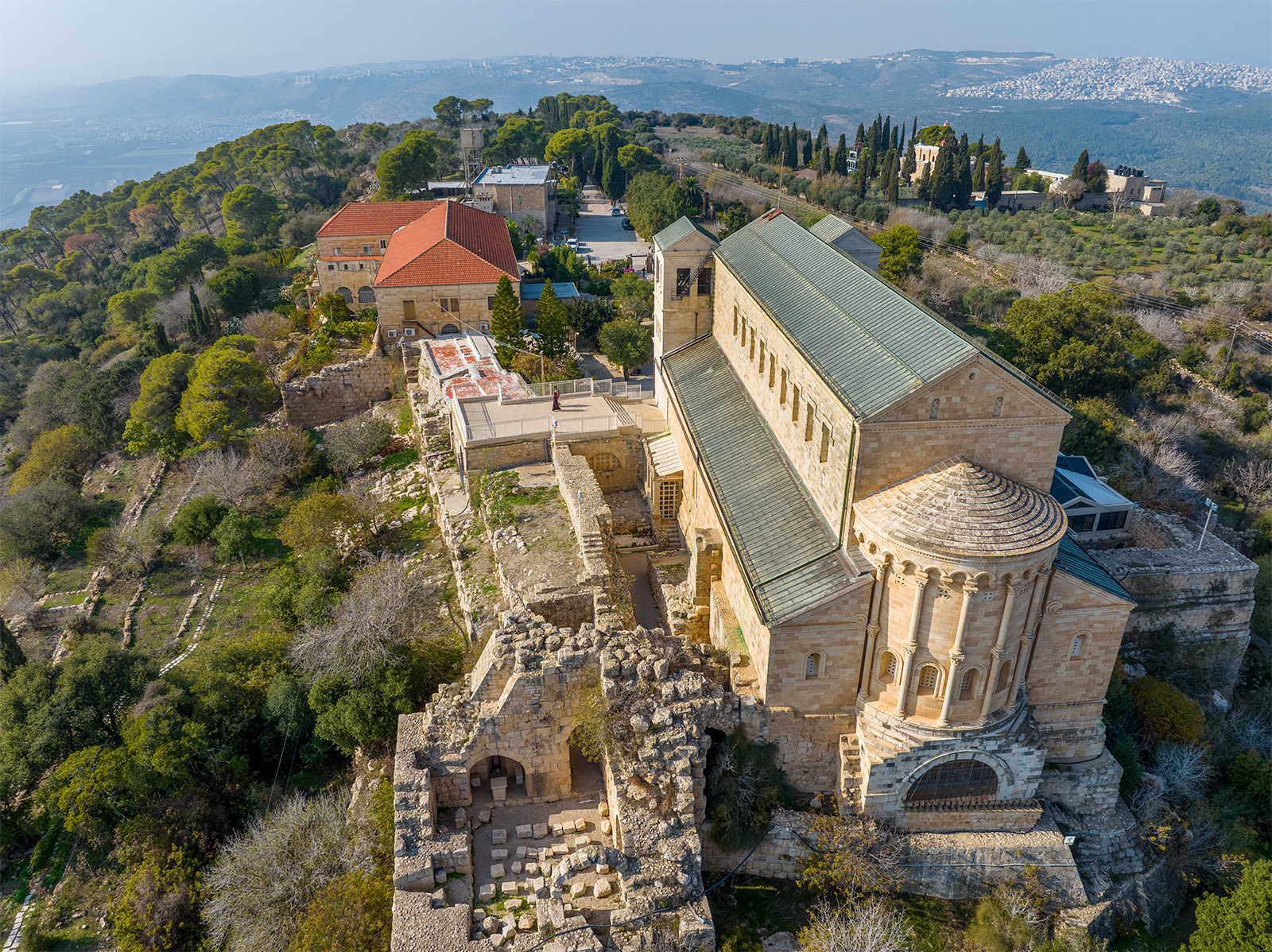
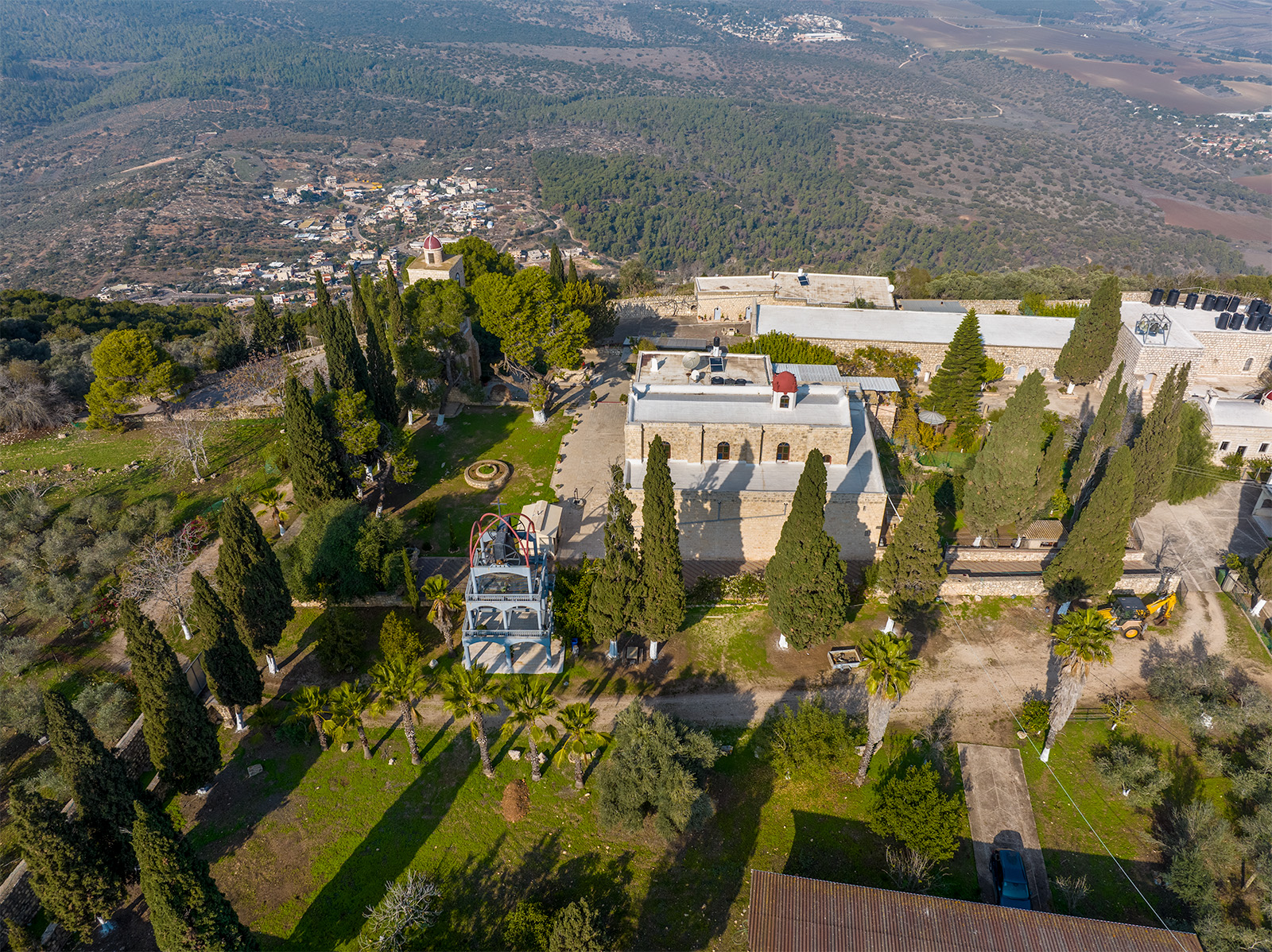
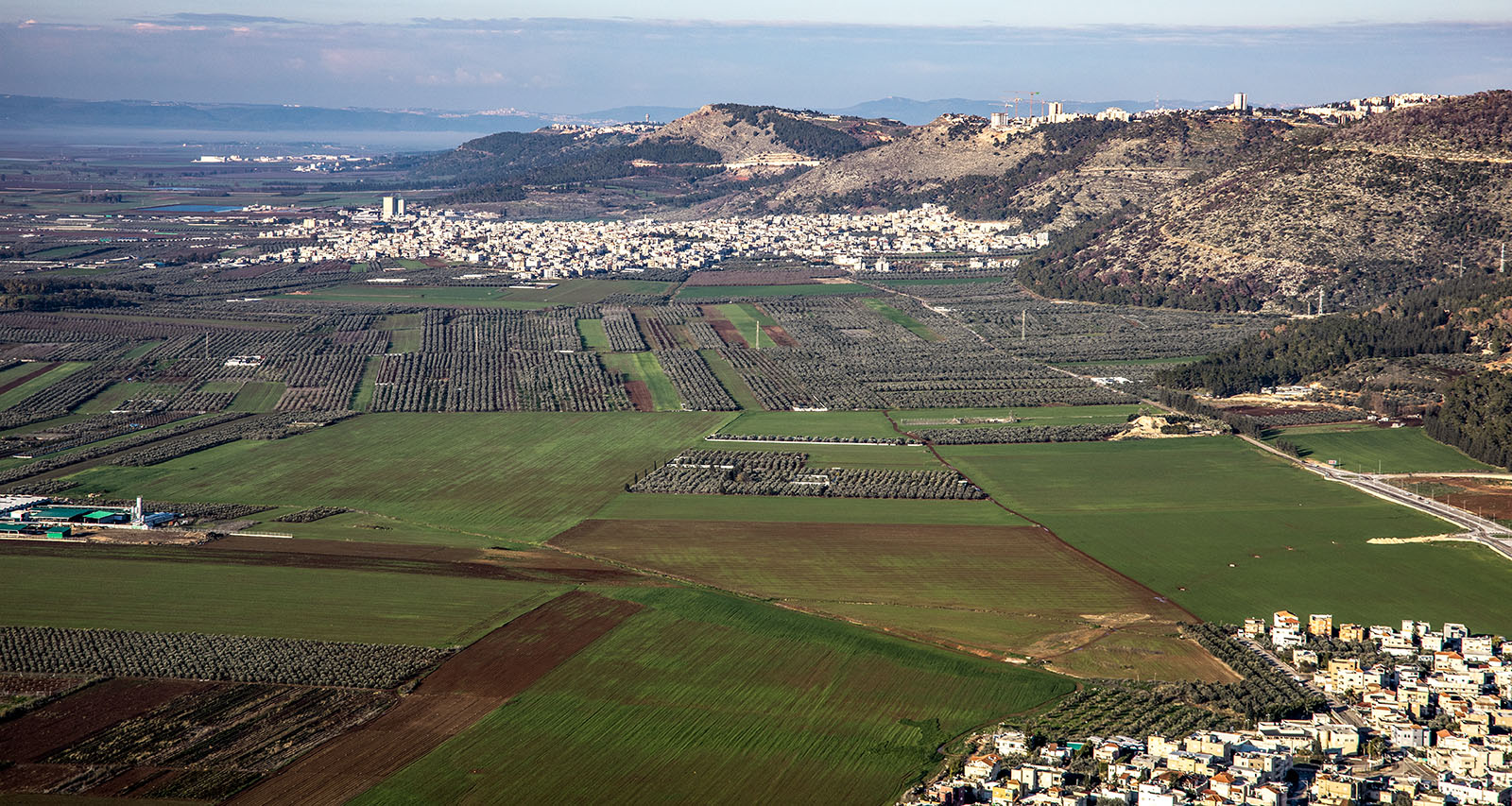
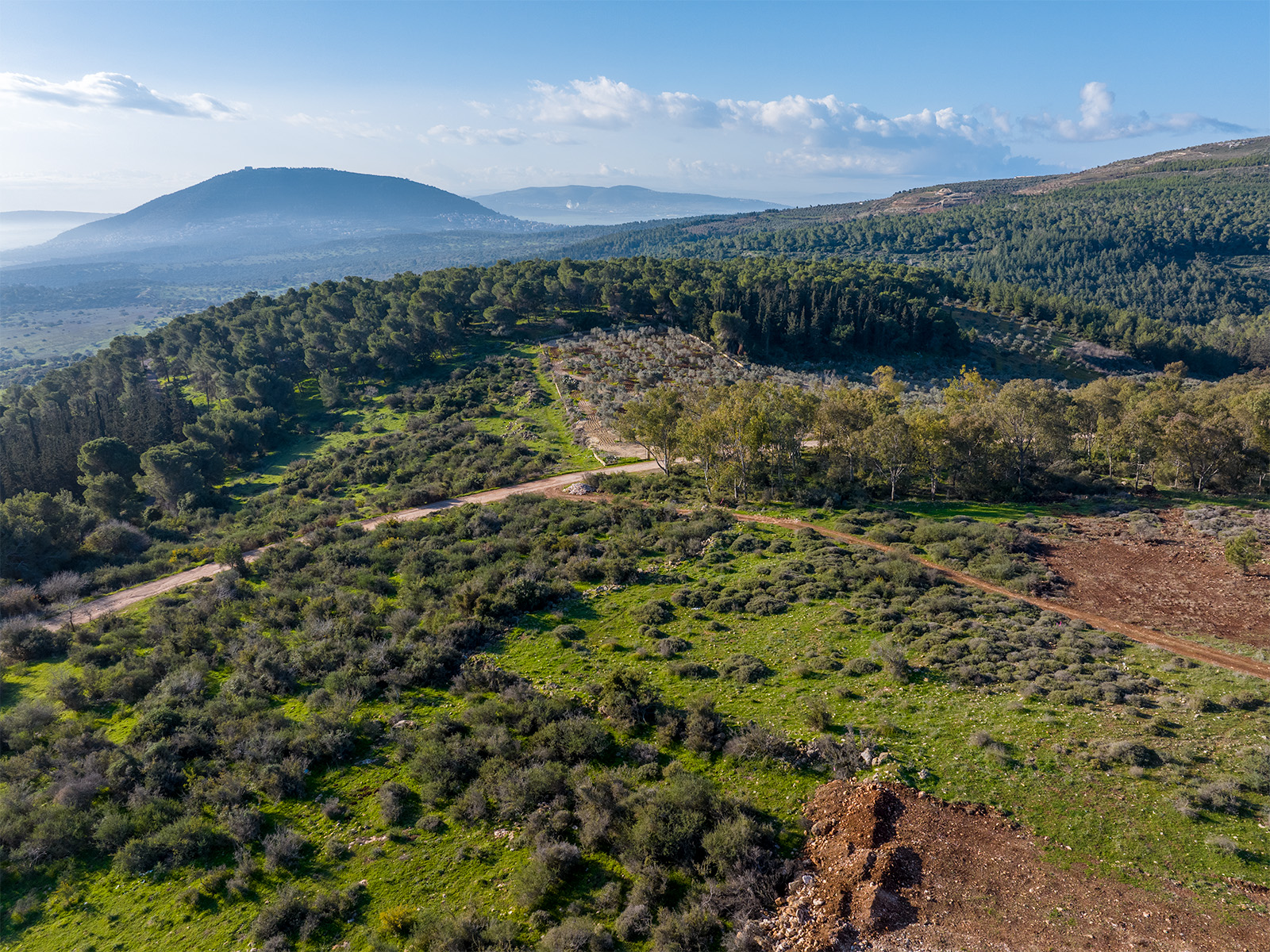
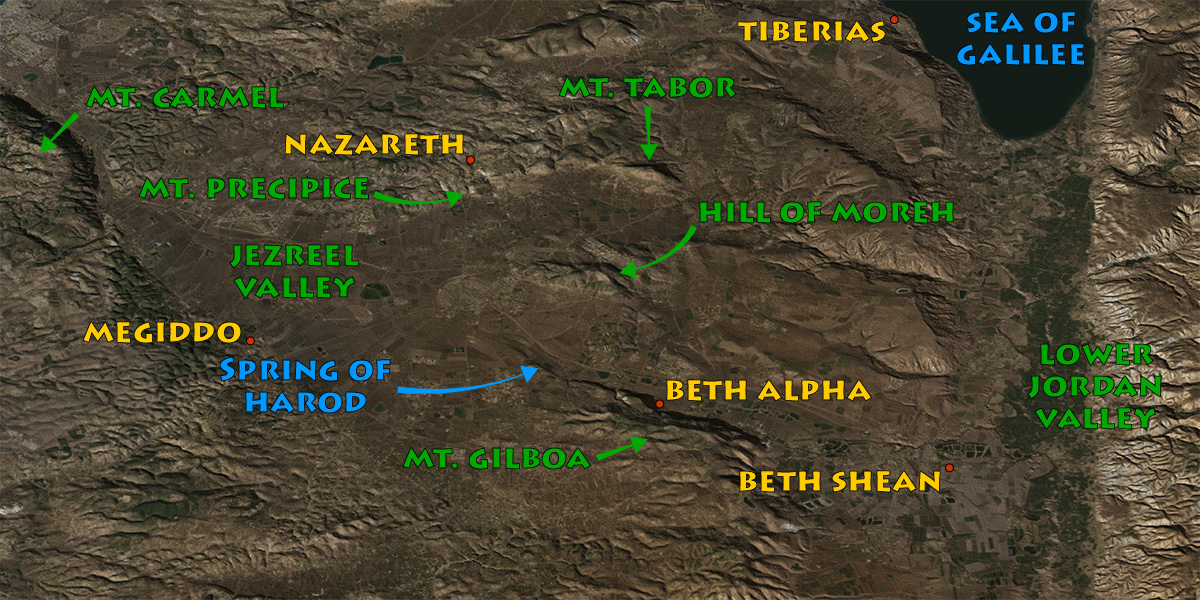
- Panoramic Views of Galilee — Rising prominently above the Jezreel Valley, Mount Tabor offers sweeping views toward Nazareth, the Sea of Galilee, Mount Carmel, the Hill of Moreh, and the surrounding valleys that formed the backdrop of Jesus' ministry.
Introduction

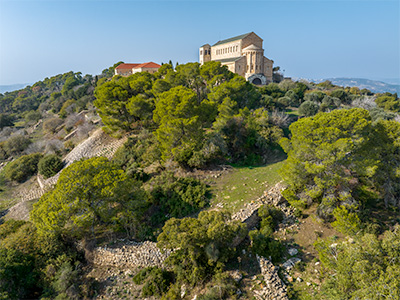
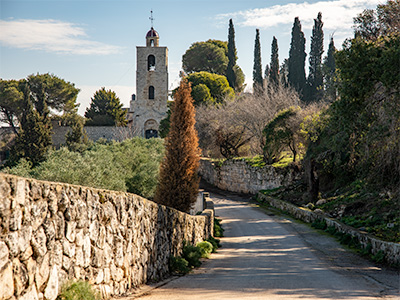
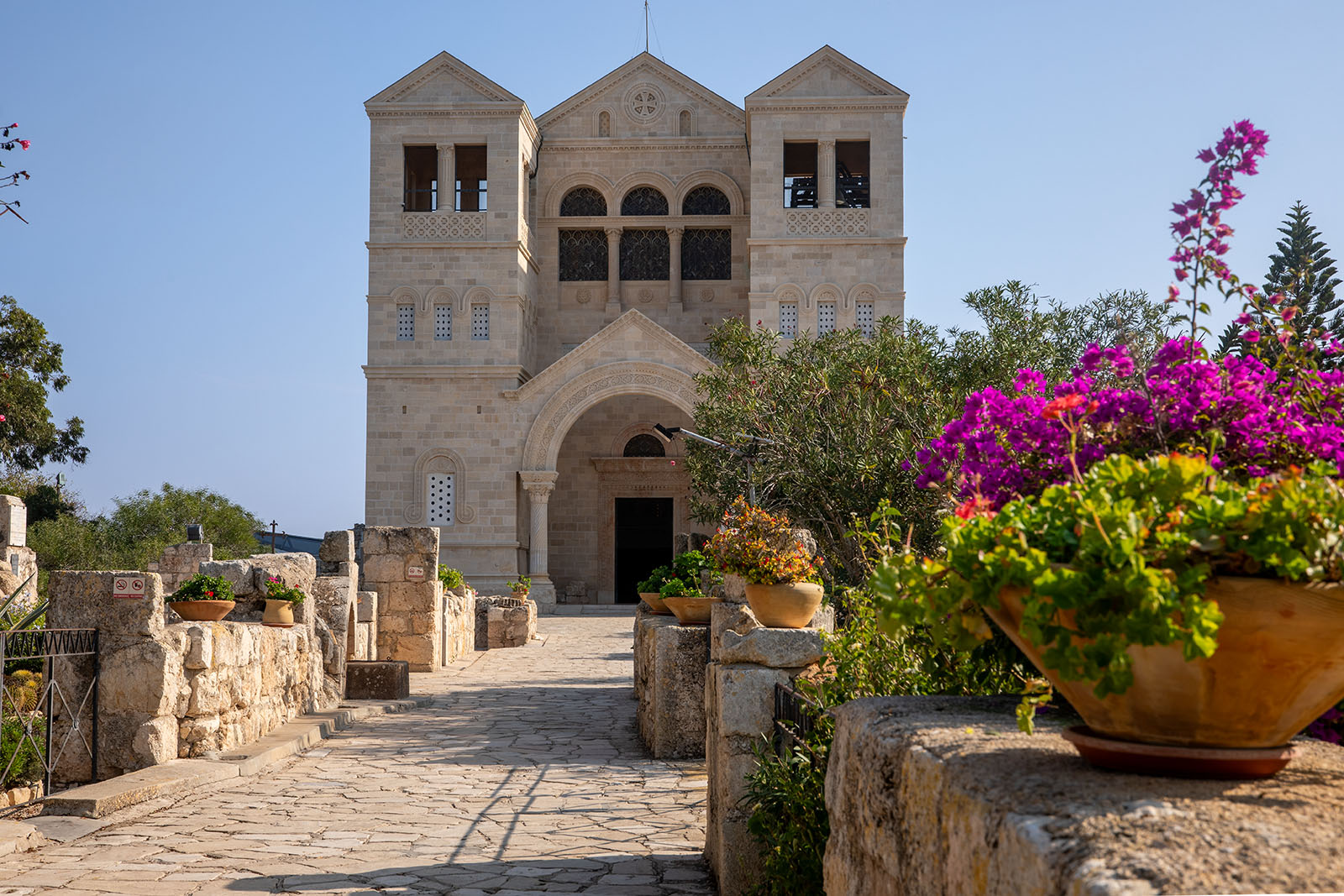
Mount Tabor rises like a great green dome from the floor of the Jezreel Valley, standing apart from the surrounding hills in a way that naturally draws the eye heavenward. While the Bible never names the mountain where the Transfiguration occurred, Christian tradition has identified Mount Tabor with this sacred event since at least the fourth century. Churches, monasteries, and generations of pilgrims have preserved that tradition, making it one of the most cherished destinations in the Holy Land. At the same time, many modern scholars suggest nearby Mount Hermon as a possible alternative because of its proximity to Caesarea Philippi. Since Scripture leaves the location unnamed, the exact mountain cannot be established with certainty.
Regardless of the location, the significance of the Transfiguration remains unchanged. On a high mountain, Jesus allowed Peter, James, and John to witness His divine glory. Moses and Elijah appeared beside Him, representing the Law and the Prophets, while the Father's voice declared, "This is my beloved Son... hear ye him." For a brief moment, the veil separating heaven and earth seemed to lift, revealing that the humble Teacher from Galilee was truly the eternal Son of God.
The Transfiguration also prepared the apostles for what was soon to come. Only days earlier, Jesus had begun teaching that He would suffer, be rejected, and rise again. Before witnessing His humiliation in Gethsemane and at Golgotha, Peter, James, and John first saw Him clothed in glory. The memory of that mountaintop experience would become a powerful witness after the Resurrection, reminding them that the suffering Messiah was also the glorified Lord.
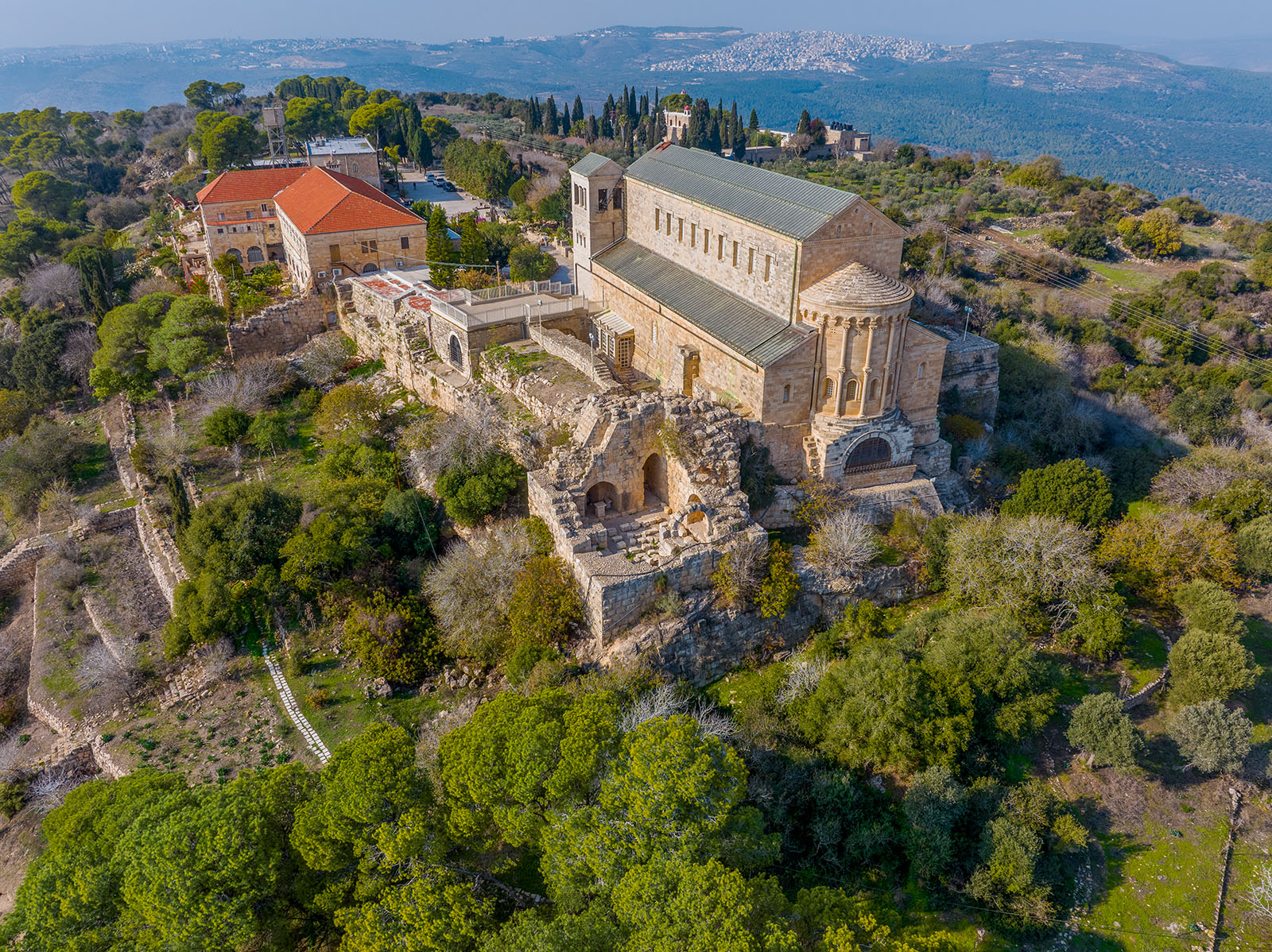
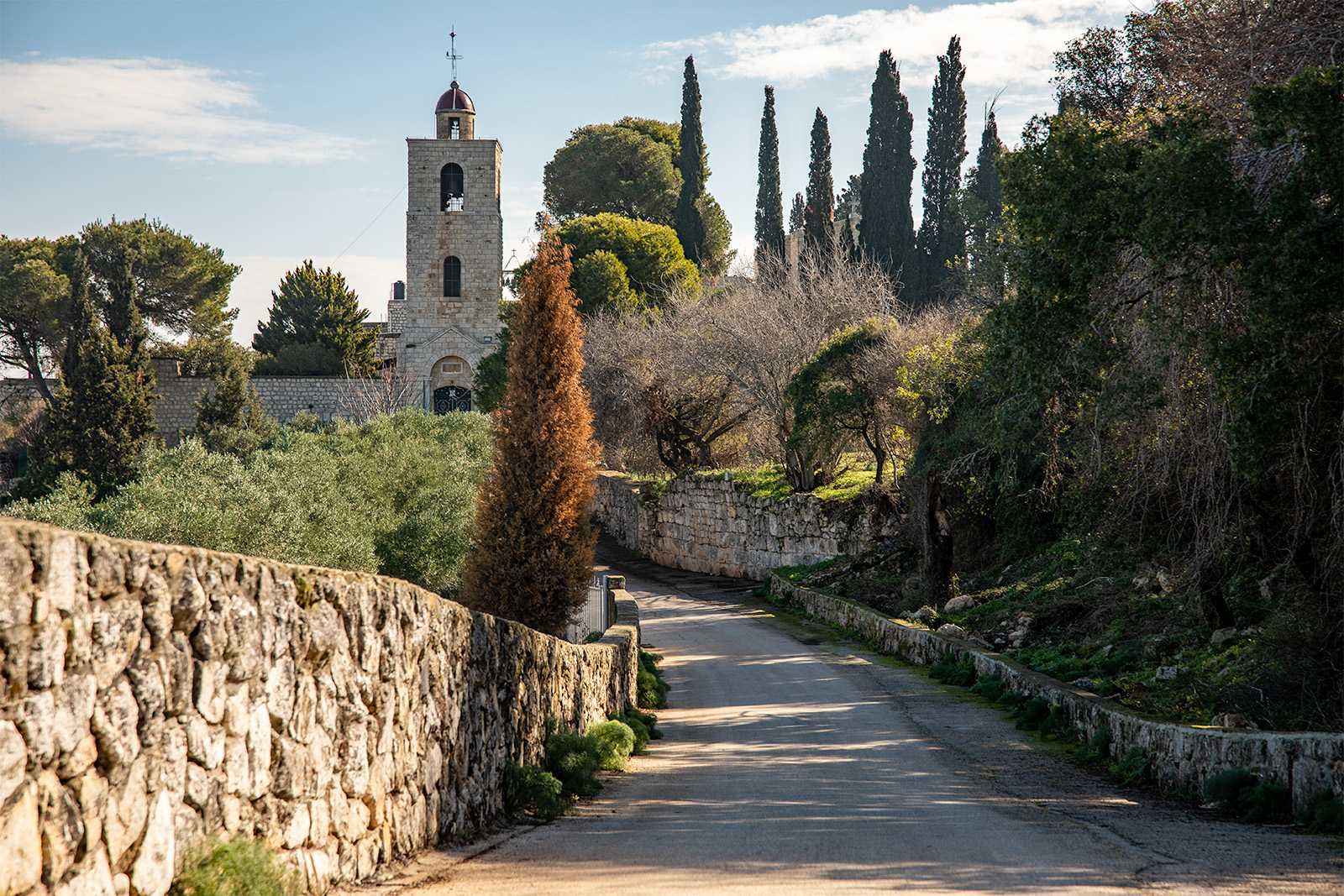
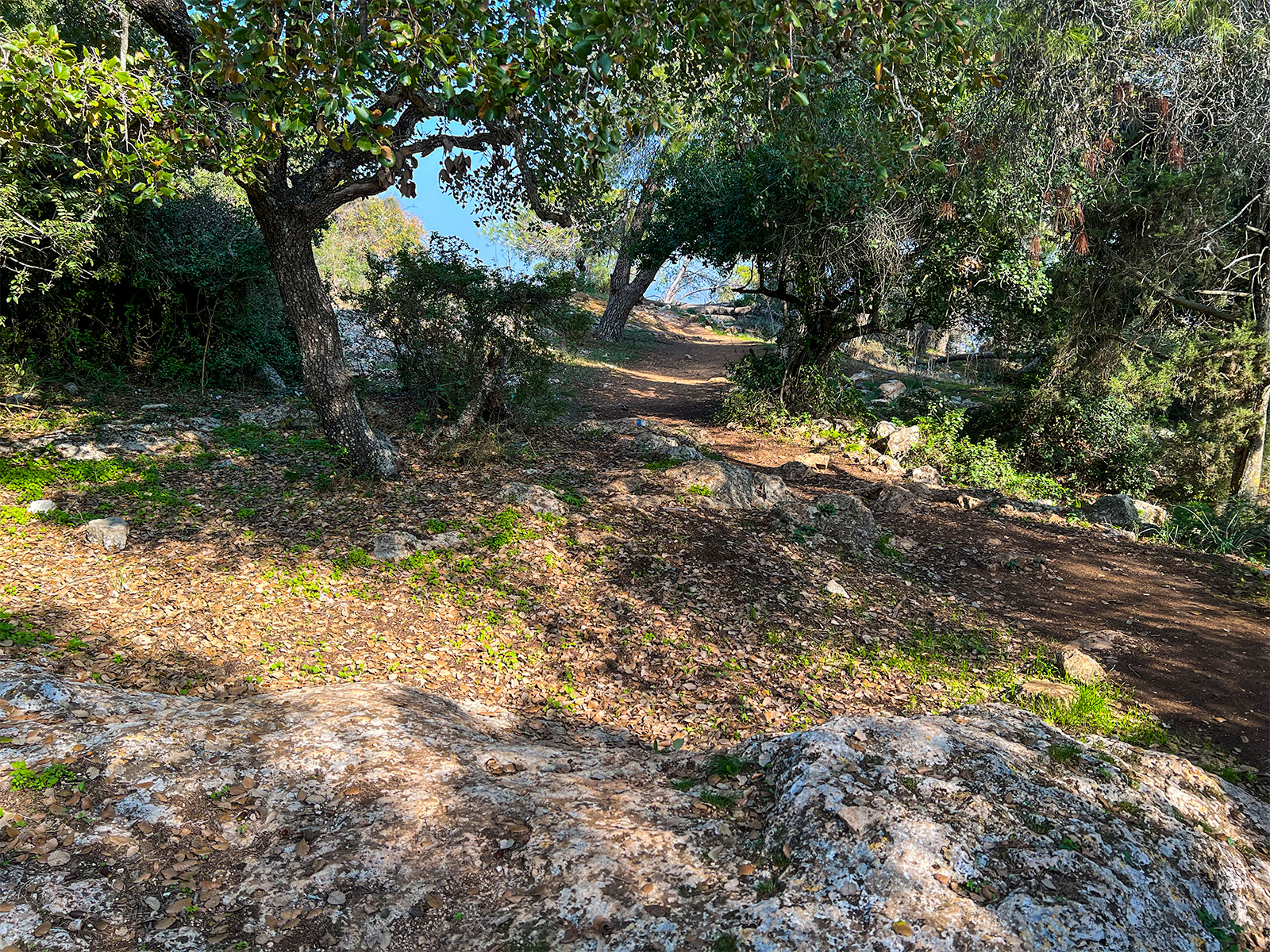
Today, pilgrims ascend Mount Tabor much as they have for centuries. Whether one accepts the traditional identification or believes the event occurred elsewhere, the mountain invites every visitor to reflect on the Savior's divine identity and to remember the Father's invitation that still echoes across the centuries: "Hear ye him."