Scroll To Top
Scroll To Top

Mount Precipice Photo Gallery

Click the title to view map


Site Overview

  • Location: Mount Precipice (Jebel el-Qafzeh), south of Nazareth, overlooking the Jezreel Valley.
  • Biblical Event: Traditionally associated with the events of Luke 4:16–30, when the people of Nazareth attempted to throw Jesus from “the brow of the hill” after He declared Himself to be the fulfillment of Isaiah’s prophecy.
  • Isaiah Fulfilled: Jesus read Isaiah 61:1–2, proclaiming liberty, healing, and the coming of the Messiah, then declared, “This day is this scripture fulfilled in your ears” (Luke 4:21).
  • Why They Rejected Him: The crowd refused to believe that the carpenter they had known from childhood could truly be the promised Messiah (Luke 4:22–29; Matt. 13:54–58).
  • A Divine Escape: Although an angry mob led Him outside the city toward the precipice, Jesus miraculously passed “through the midst of them,” and “went his way” (Luke 4:30).
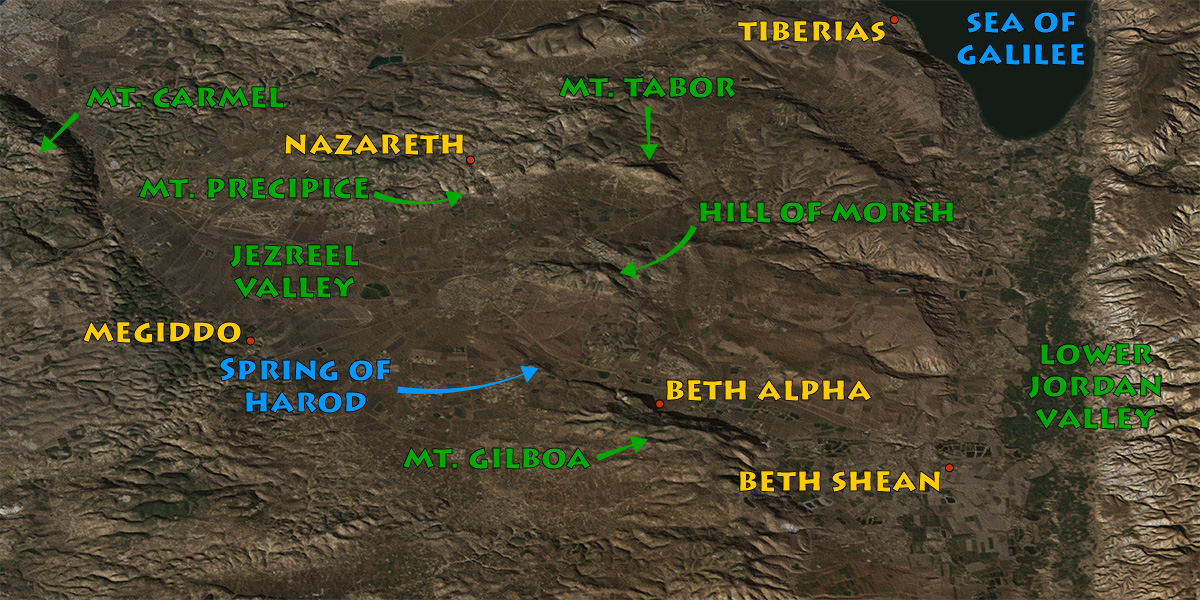
  • Panoramic Setting: From the summit, visitors enjoy sweeping views of Nazareth, Mount Tabor, the Hill of Moreh, Mount Carmel, and much of the Jezreel Valley—the landscape where many Old Testament events unfolded.

Introduction

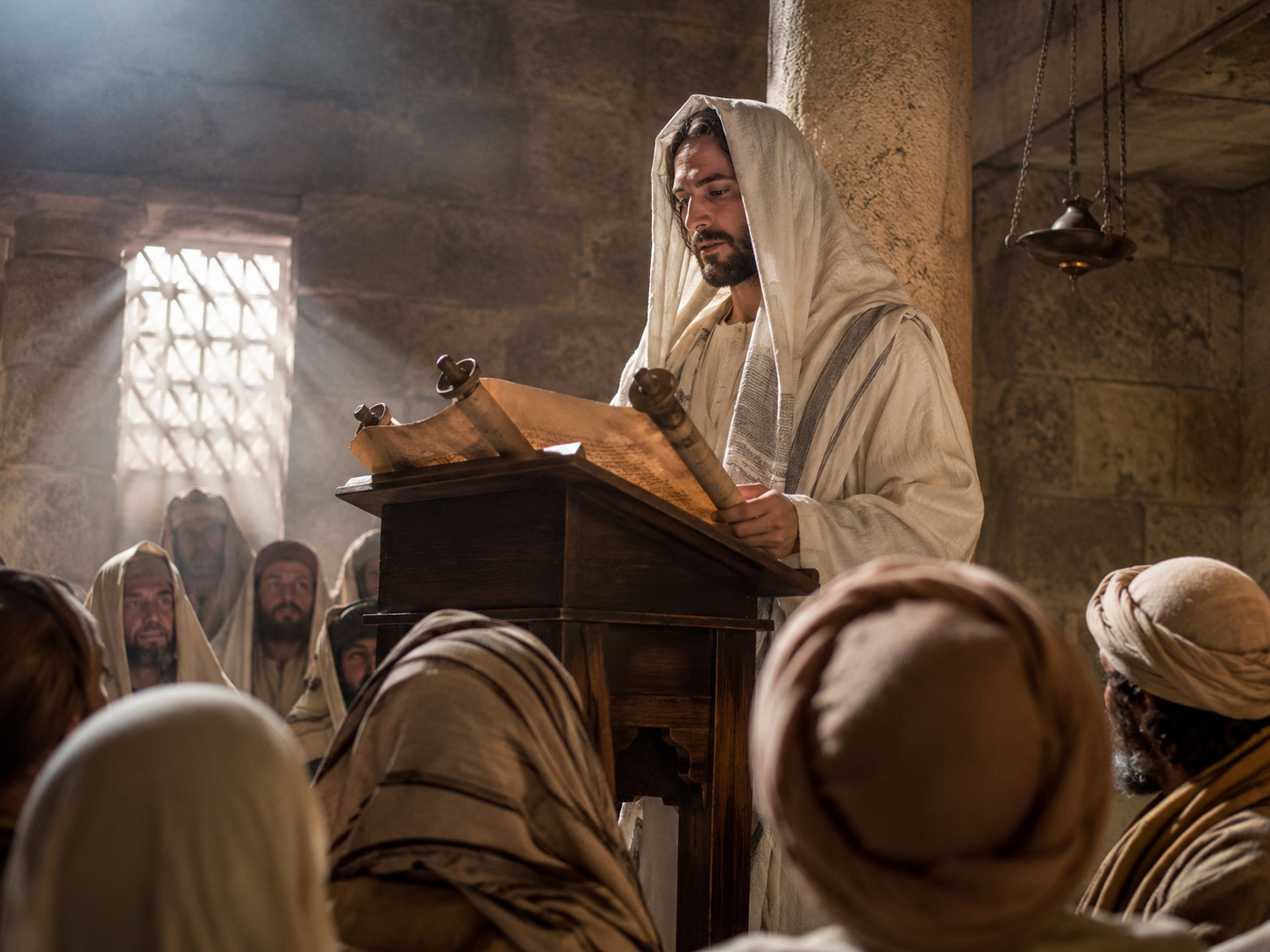
Jesus reading Isaiah in Nazareth

Standing atop Mount Precipice, it is easy to imagine the dramatic events that unfolded here early in the Savior's ministry. After returning to Nazareth, Jesus entered the synagogue on the Sabbath and was invited to read from the scriptures. He selected the words of Isaiah describing the Messiah who would bring good tidings to the poor, heal the brokenhearted, proclaim liberty to the captive, and announce the acceptable year of the Lord. Then, to the astonishment of those listening, He declared, “This day is this scripture fulfilled in your ears.”

At first the congregation marveled, but admiration quickly gave way to disbelief. They knew Jesus only as the son of Mary and the carpenter who had grown up among them. When He reminded them that God's prophets had often carried their blessings to believing Gentiles rather than unbelieving Israelites, the congregation erupted in anger. They drove Him from the synagogue, forced Him out of the city, and led Him toward the brow of the hill with the intention of casting Him down.

Jesus cast from the synagogue in Nazareth

Yet the story does not end with violence. Luke records one of the quiet miracles of the New Testament: “But he passing through the midst of them went his way.” No explanation is given. The same One who had declared Himself to be Isaiah's promised Messiah simply departed unharmed, for His appointed hour had not yet come.

Today, Mount Precipice invites visitors to reflect on both the fulfillment of ancient prophecy and the sobering reality that the Messiah was first rejected by many of His own people. The breathtaking panorama surrounding the mountain forms a fitting backdrop to one of the earliest and most decisive moments in the Savior's public ministry.

Slide Presentation

Mount Precipice

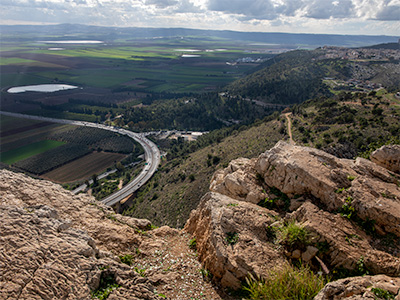
From Mount Precipice, the fertile Jezreel Valley stretches westward toward Mount Tabor (left) and the Hill of Moreh (right). This broad plain witnessed many of the Bible’s greatest battles and became part of the landscape Jesus knew throughout His youth in nearby Nazareth.

Mount Precipice

Mount Precipice has become a favorite stop for tour groups, where guides and teachers can place familiar Bible stories within the landscape itself. Standing here, visitors gain a panoramic view of Galilee while reflecting on the Savior’s early life in Nazareth.

Mount Precipice

Looking north from Mount Precipice, the modern city of Nazareth fills the basin surrounded by Galilean hills. Although greatly expanded since the first century, this valley remains the setting where Jesus spent nearly thirty years of His mortal life.

Mount Tabor - Jezreel Valley - Mount Precipice

The panorama from Mount Precipice connects visitors with centuries of biblical history. Mount Tabor and the Hill of Moreh recall events involving Deborah, Barak, Gideon, and other judges and prophets. As Jehovah of the Old Testament, Christ was the divine author of these sacred events long before He grew up in Nazareth overlooking the same valley.

Mount Precipice

The view west extends across the Jezreel Valley toward the distant ridge of Mount Carmel, where Elijah confronted the prophets of Baal. In the foreground, a modern highway disappears into a tunnel cut through the mountain, illustrating how contemporary transportation now passes beneath this historic landscape.

Mount Precipice

A walking trail follows the crest of Mount Precipice to its panoramic overlook above the Jezreel Valley. Whether or not this is the exact location described in Luke 4, the steep escarpment vividly illustrates the kind of terrain that gives meaning to the Gospel account.

Mount Precipice - Jezreel Valley

This rocky escarpment illustrates why tradition identifies Mount Precipice with the “brow of the hill” mentioned in Luke 4. After Jesus declared that Isaiah’s prophecy had been fulfilled, an angry crowd from Nazareth attempted to cast Him down from such a cliff, but He passed safely through their midst.

Mount Precipice

Mount Precipice (top center) rises prominently above the southern edge of Nazareth. The city spreads across the surrounding hills, while this rugged summit provides one of the finest panoramic viewpoints in all of Lower Galilee.

Mount Precipice - Nazareth

Looking north across the Nazareth Basin, the yellow box highlights the Basilica of the Annunciation, traditionally associated with Gabriel’s announcement to Mary. From Mount Precipice, visitors can appreciate how closely the principal sites of Jesus’ hometown are clustered within the modern city.

Jesus reading Isaiah in Nazareth

Jesus cast from the synagogue in Nazareth

Click the enlarged map to show or hide the overlay
Ein Harod Map