Jerusalem — Mount Scopus Photo Gallery
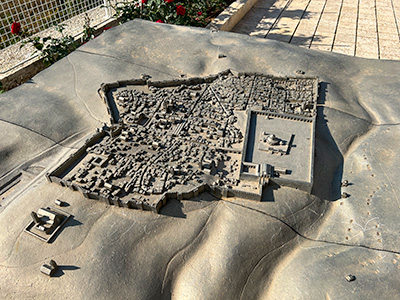
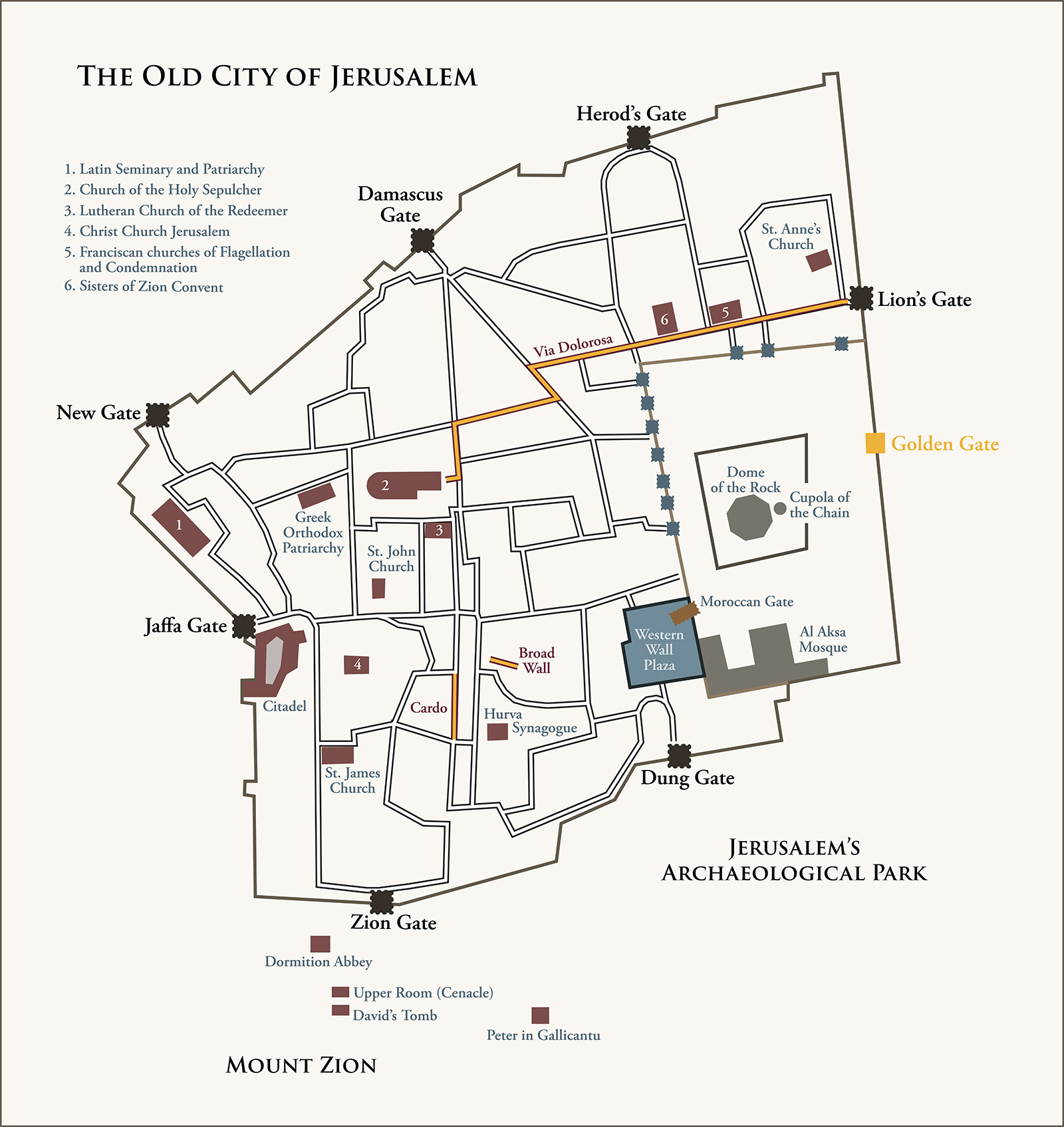
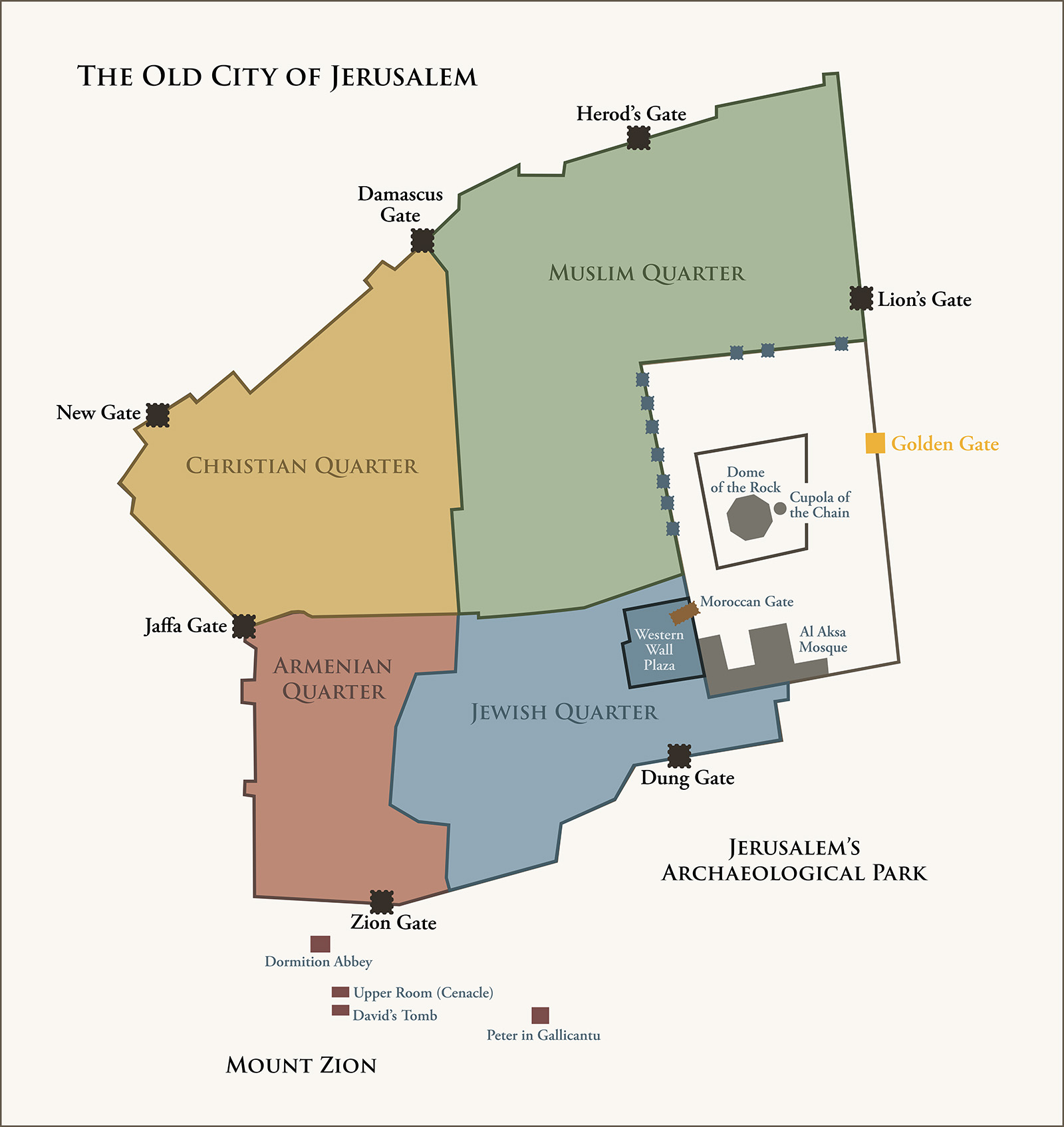
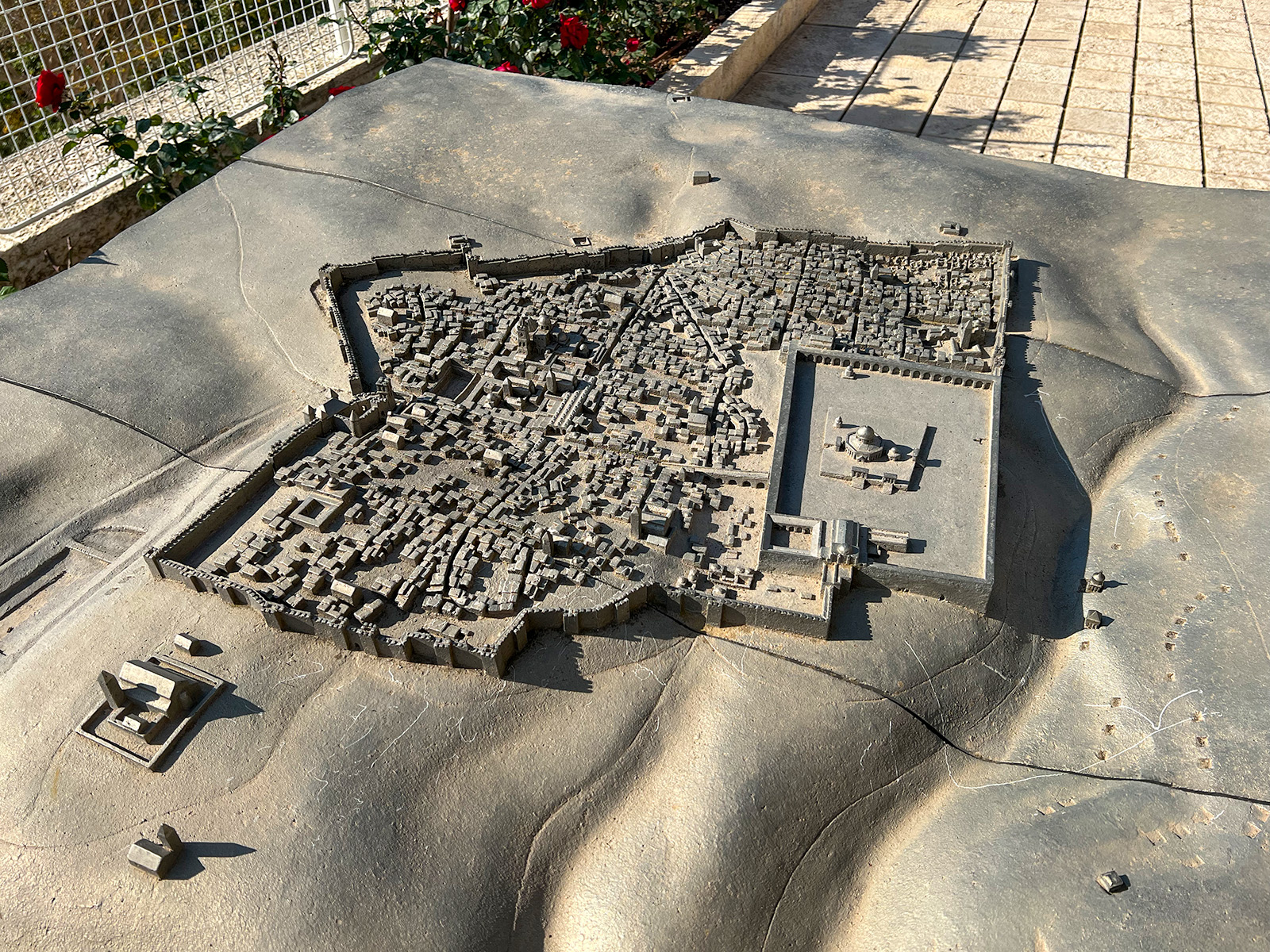
Click the title to view Old City map
Jerusalem Overview
- Region: Judean Mountains
- Biblical Territory: Benjamin (adjacent to Judah; later capital of the united kingdom and Judah)
- Modern Site: Jerusalem, Israel
- Nearby Landmark: Temple Mount
- Scripture References: Gen. 22:2; 2 Sam. 5:6–10; 1 Kgs. 6–8; 2 Kgs. 25:8–10; Neh. 2–6; Luke 2:41–52; Matt. 21–28; Acts 1–2
Introduction
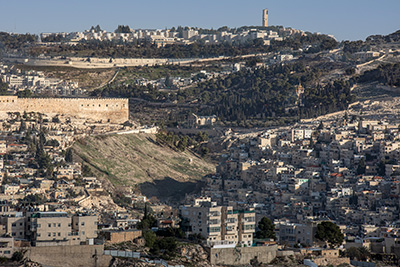
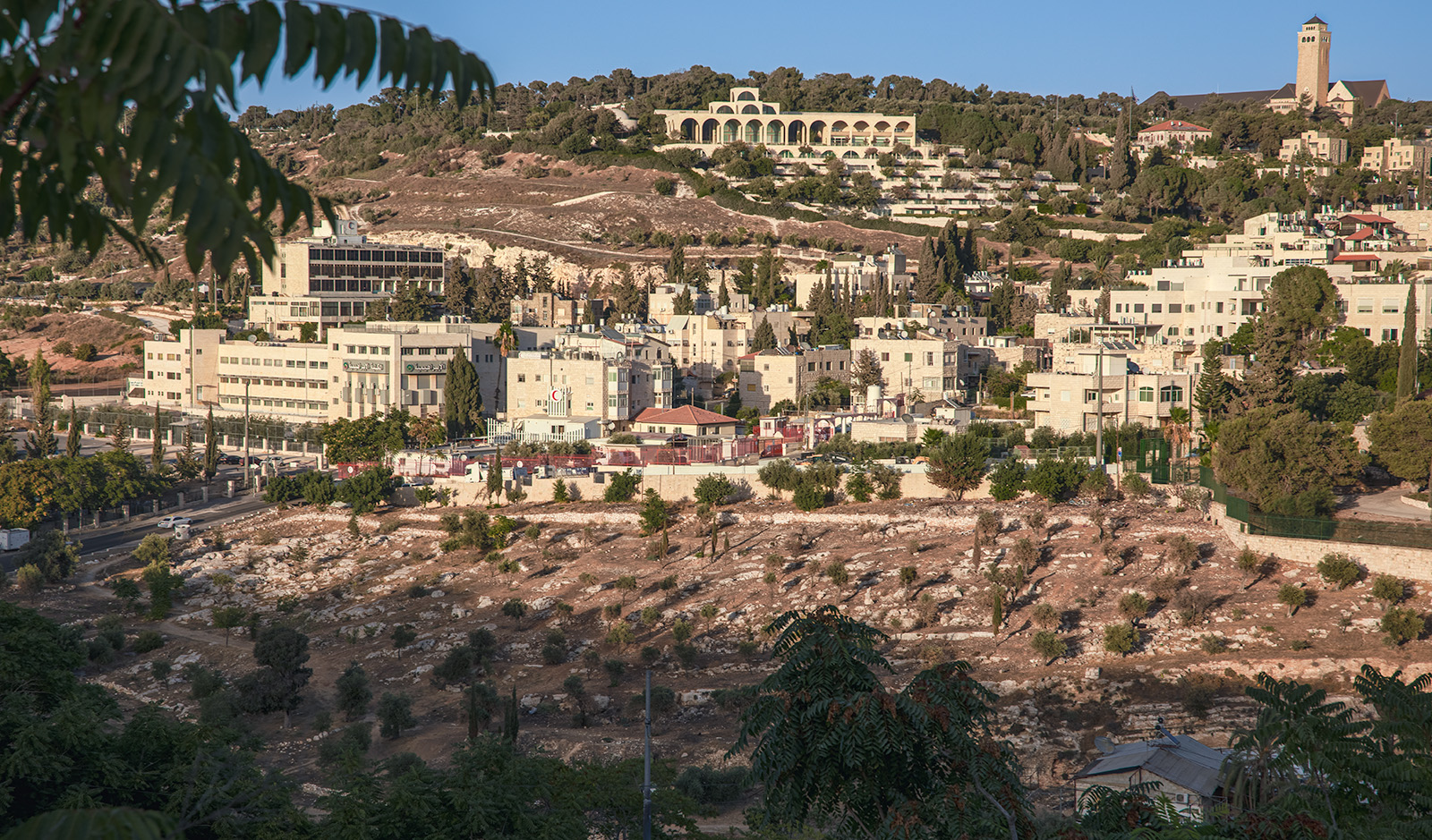
East of Jerusalem’s Old City rises a long north–south ridge overlooking the Kidron Valley. The Mount of Olives forms the better-known southern portion of this ridge, while Mount Scopus rises to the north. Between them, the terrain drops through the shallow depression associated with Emek Tzurim (Tzurim Valley). From many viewpoints around Jerusalem, the two heights appear almost continuous, making it easy for visitors to think of Mount Scopus and the Mount of Olives as a single mountain. Together they form the prominent eastern ridge that provides some of the finest views across the Kidron Valley toward the Temple Mount and Old City.
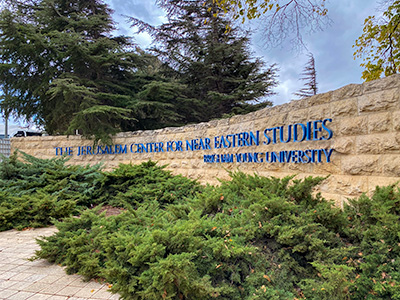
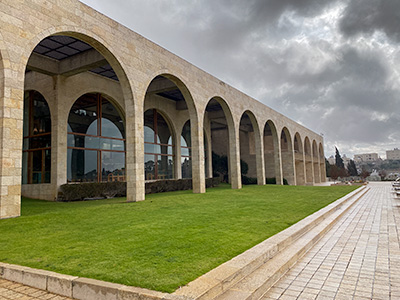
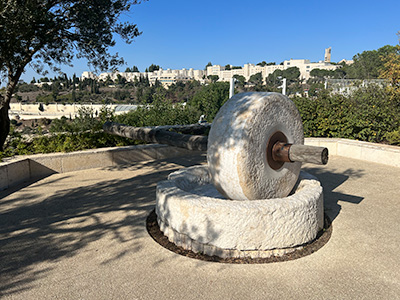
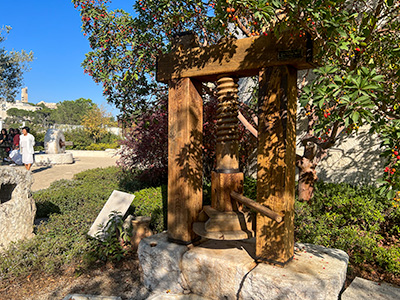
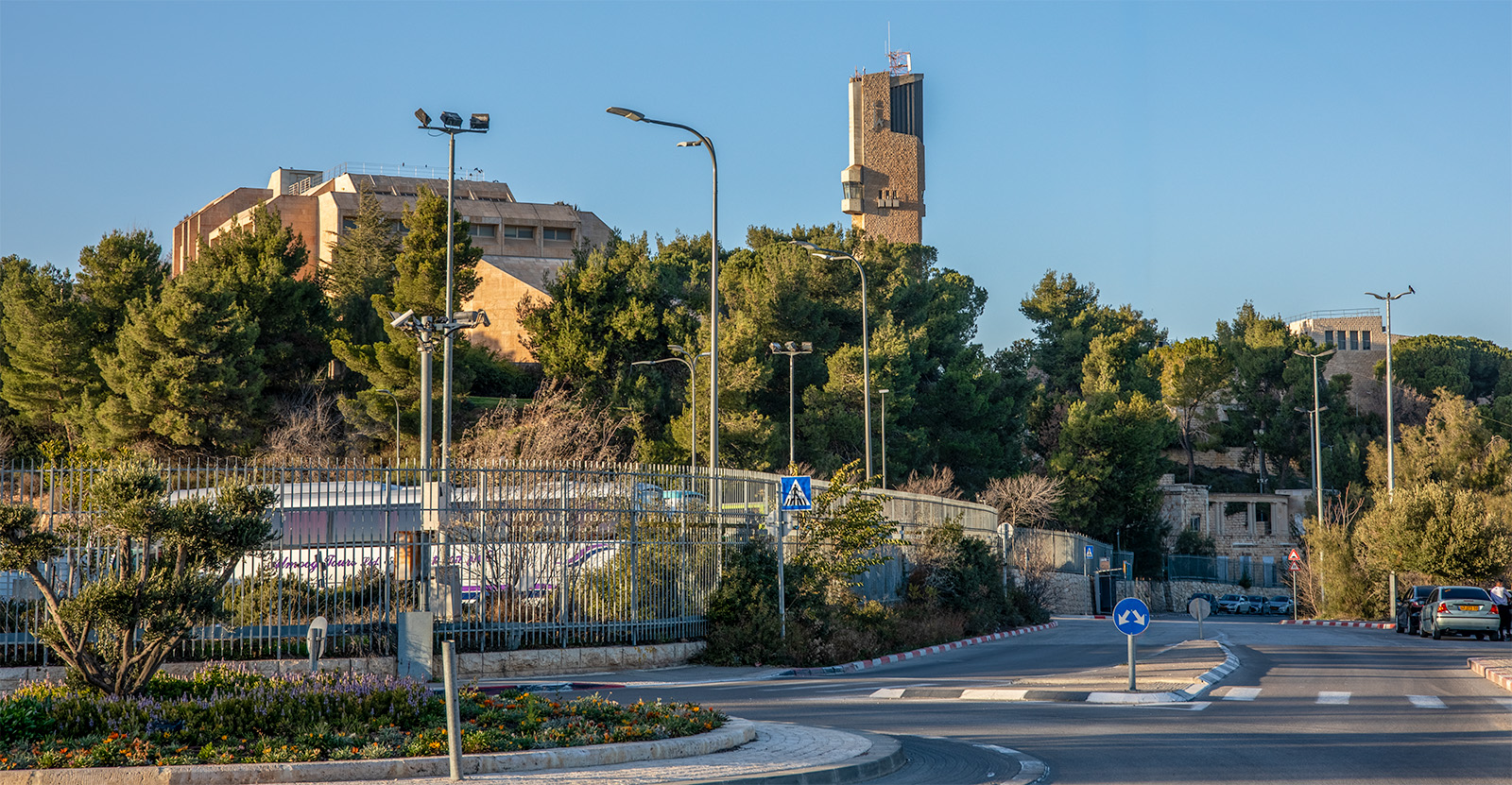
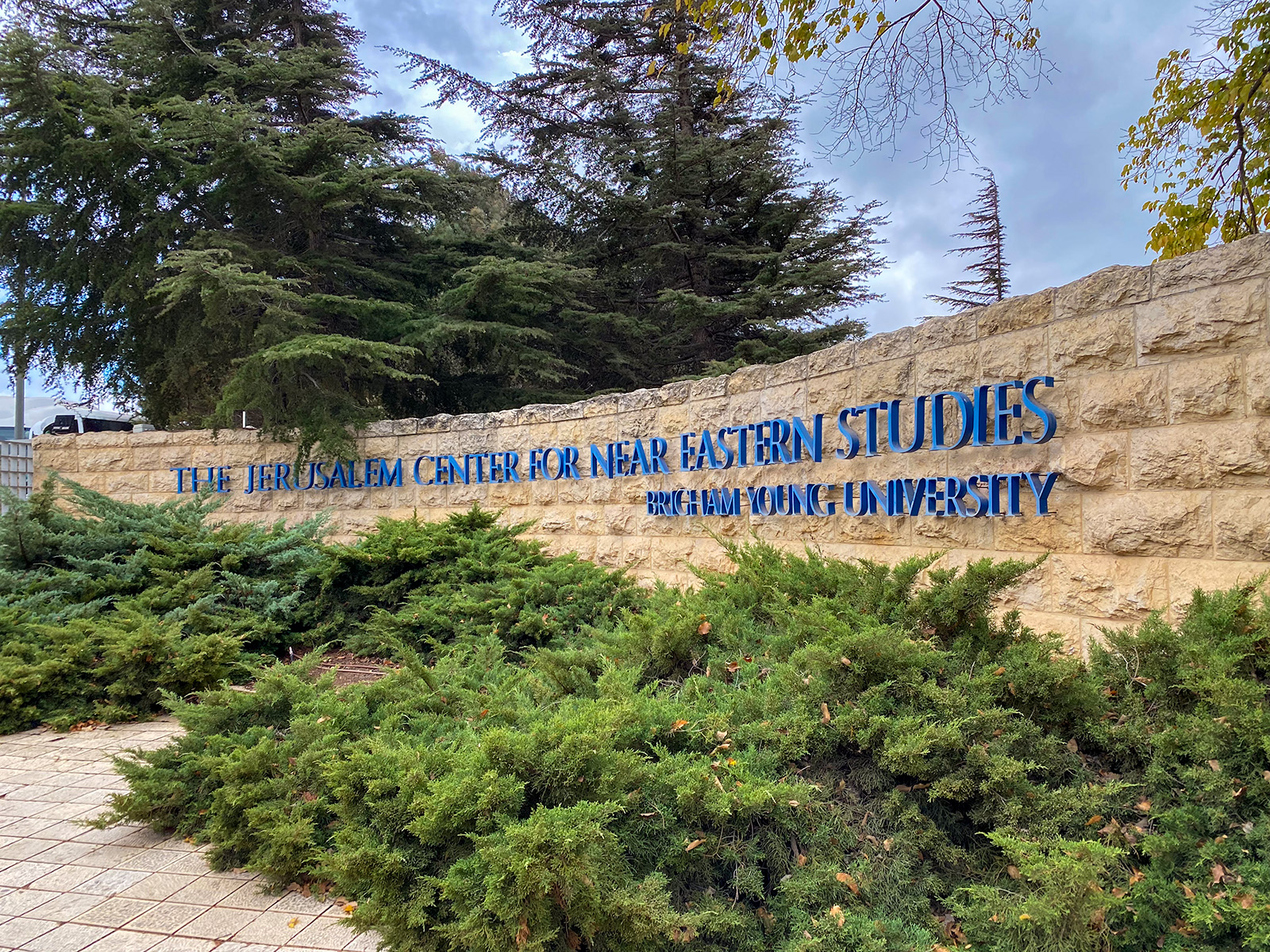
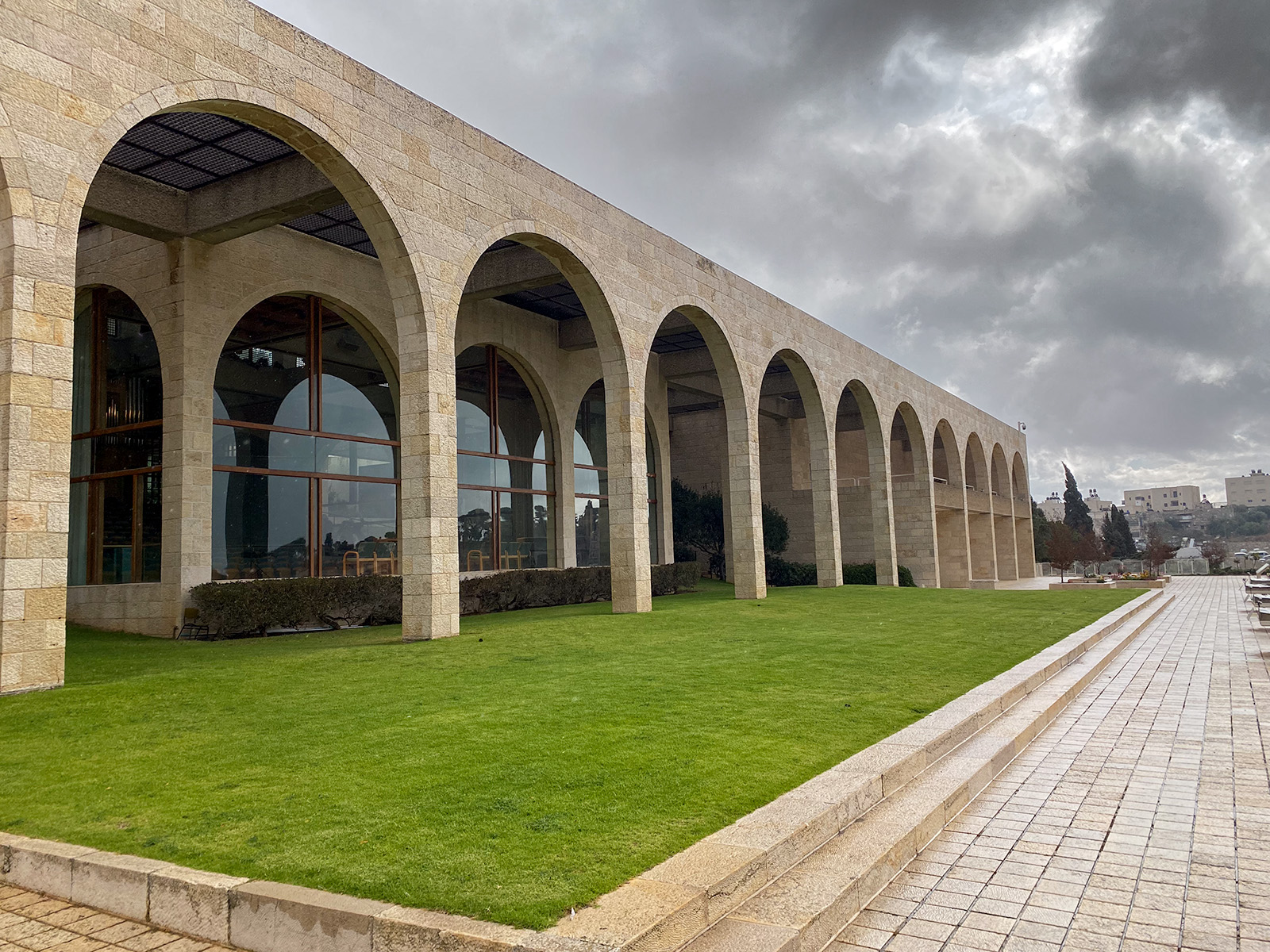
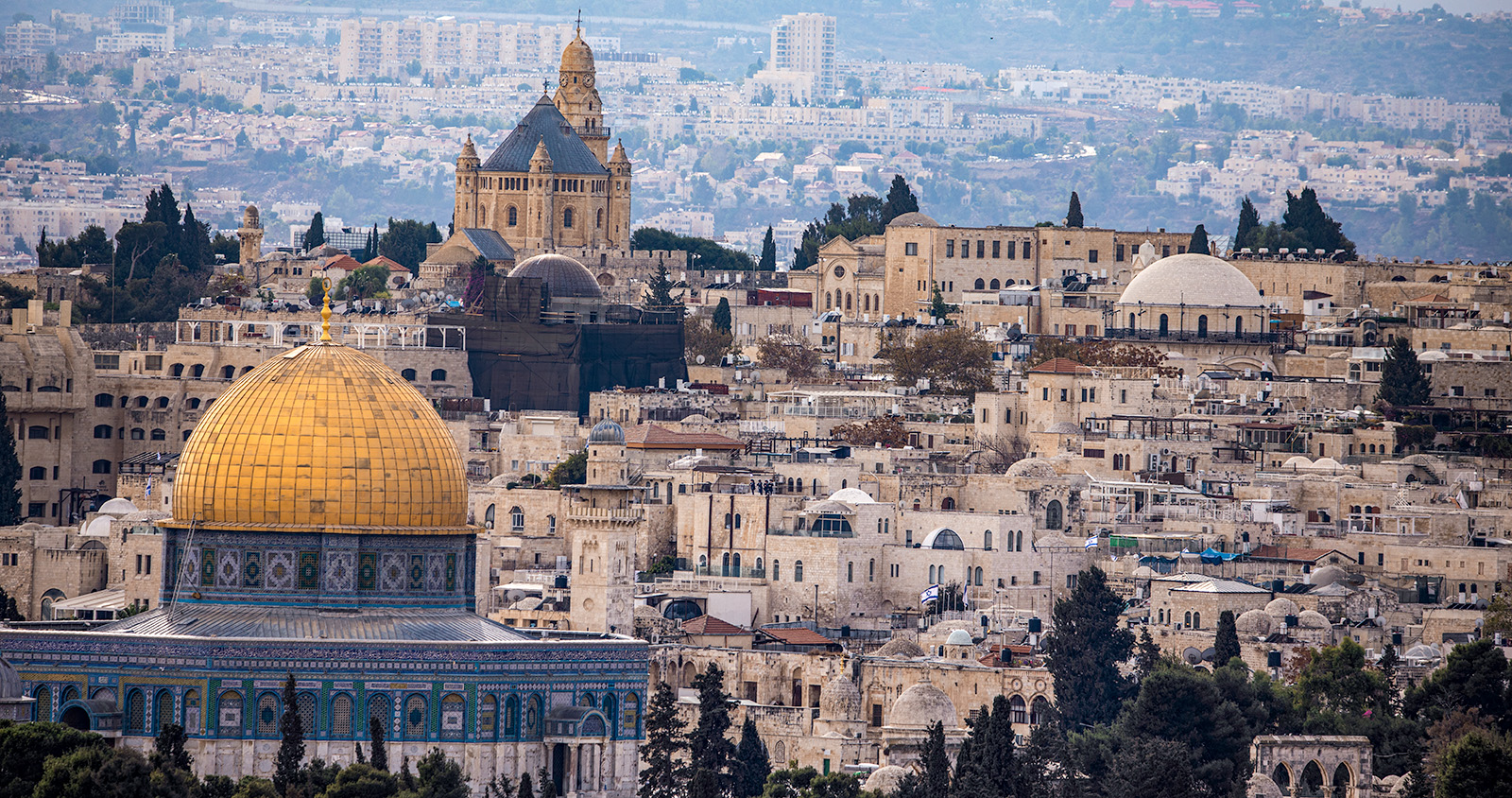
Mount Scopus has long been valued for its commanding position overlooking Jerusalem. Today its skyline is dominated by the Hebrew University of Jerusalem, whose Mount Scopus campus and prominent water tower are visible from many parts of the city and from the approaches to Jerusalem from the east. On the southwestern slope of Mount Scopus, overlooking the Mount of Olives, Kidron Valley, and Old City, stands the Brigham Young University Jerusalem Center for Near Eastern Studies. Its terraces, gardens, and distinctive arches were designed to take full advantage of this remarkable setting.
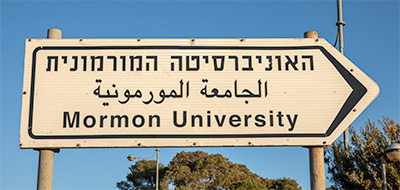
BYU’s study program in the Holy Land began in 1968, long before the present Center was built. As the program grew, Church and university leaders sought a permanent home for students in Jerusalem. In 1979, while in Jerusalem for the dedication of the Orson Hyde Memorial Garden, President Spencer W. Kimball selected the Mount Scopus site on which the Center would eventually stand. After several years of negotiations and approvals, construction began in 1984. Students moved into the partially completed building in 1987, and the Jerusalem Center was dedicated on May 16, 1989, by President Howard W. Hunter.
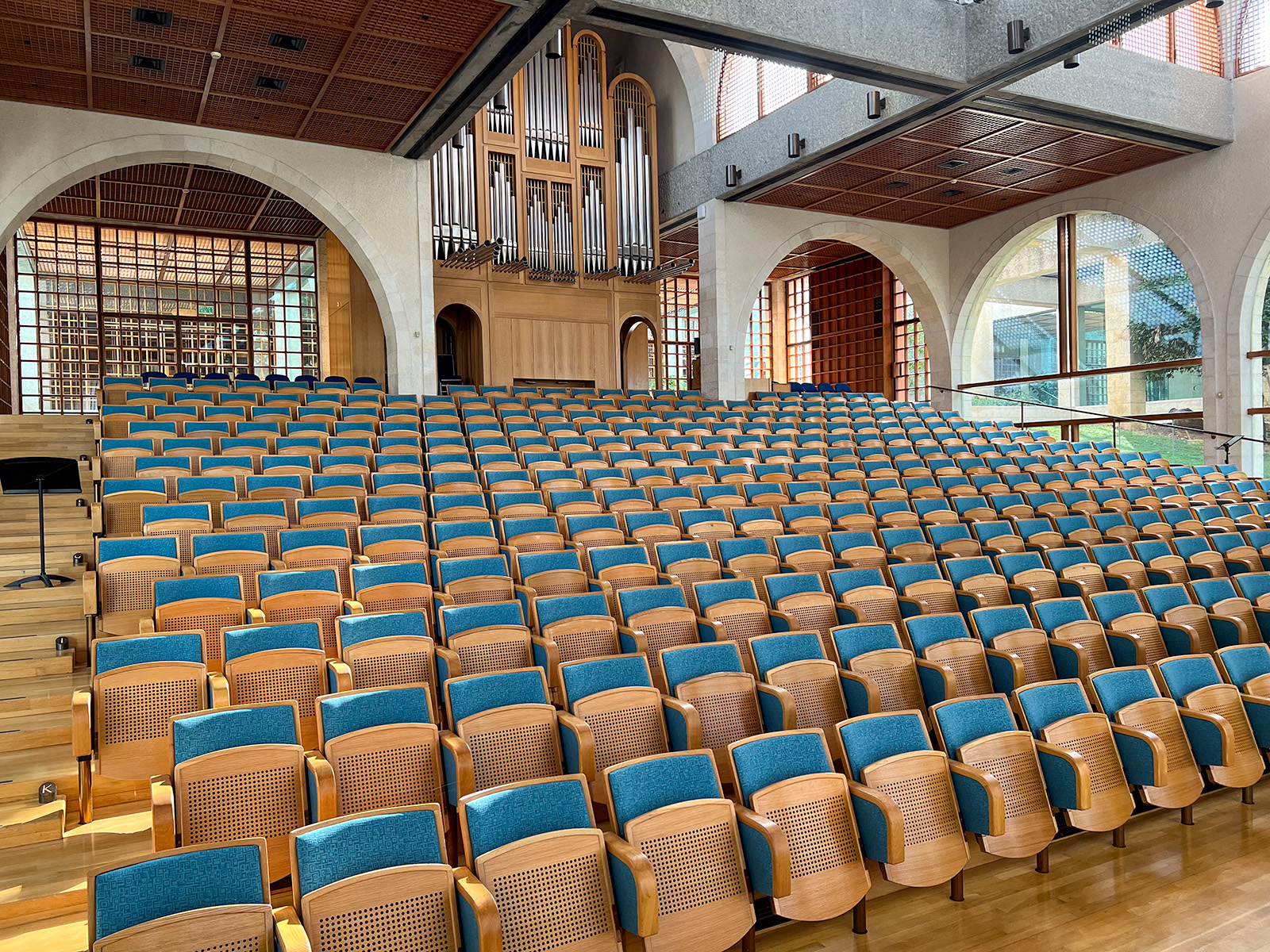
The eight-level Center serves primarily as an educational facility where BYU students study the scriptures, history, cultures, and peoples of the Near East while experiencing the land firsthand. Its classrooms, residences, library, auditorium, gardens, and public concert facilities occupy a site with an extraordinary panorama of Jerusalem.
Although this gallery introduces Mount Scopus and its geographical relationship to Jerusalem, most of the photographs that follow concentrate on the BYU Jerusalem Center. The Center provides an especially useful vantage point from which to understand the geography of Jerusalem while also representing a distinctive chapter in the modern history of Mount Scopus.