Jerusalem — Mount of Olives Photo Gallery
Click the title to view Jerusalem satellite map
Jerusalem Overview
- Region: Judean Mountains
- Biblical Territory: Benjamin (adjacent to Judah; later capital of the united kingdom and Judah)
- Modern Site: Jerusalem, Israel
- Nearby Landmark: Temple Mount
- Scripture References: Gen. 22:2; 2 Sam. 5:6–10; 1 Kgs. 6–8; 2 Kgs. 25:8–10; Neh. 2–6; Luke 2:41–52; Matt. 21–28; Acts 1–2
Introduction
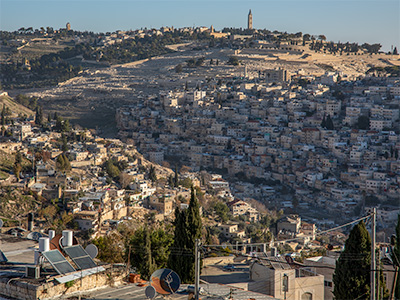
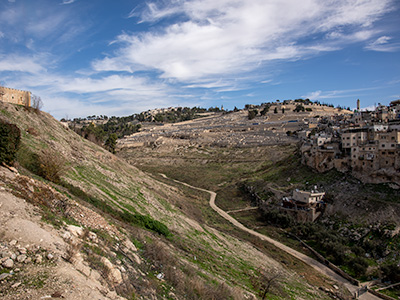
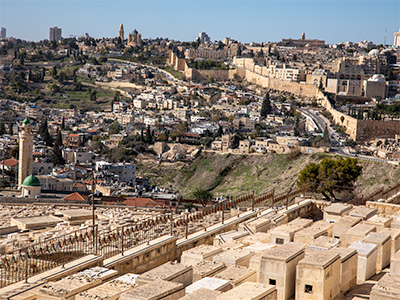
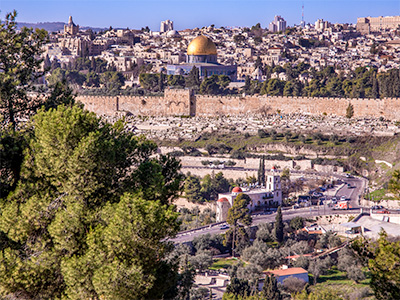
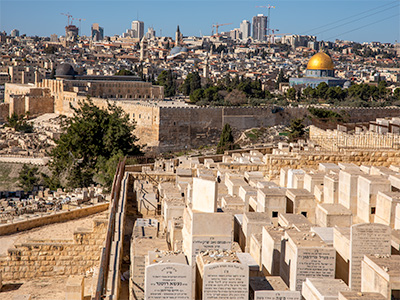
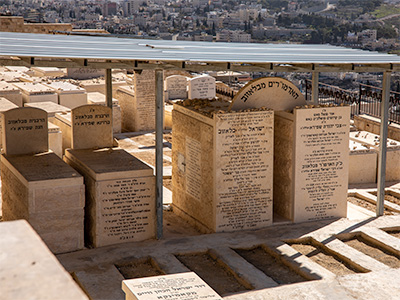
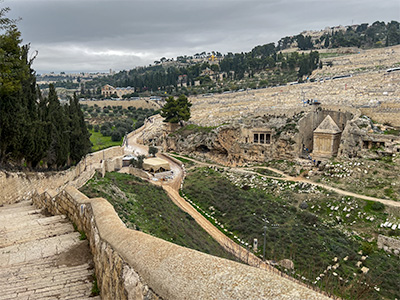
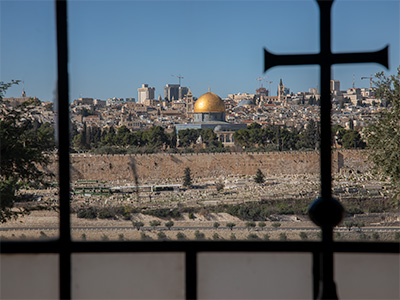
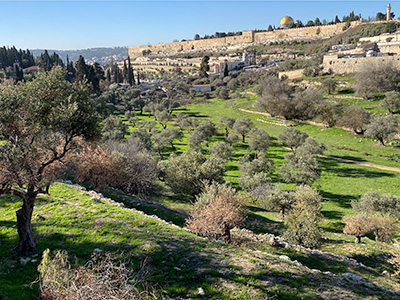
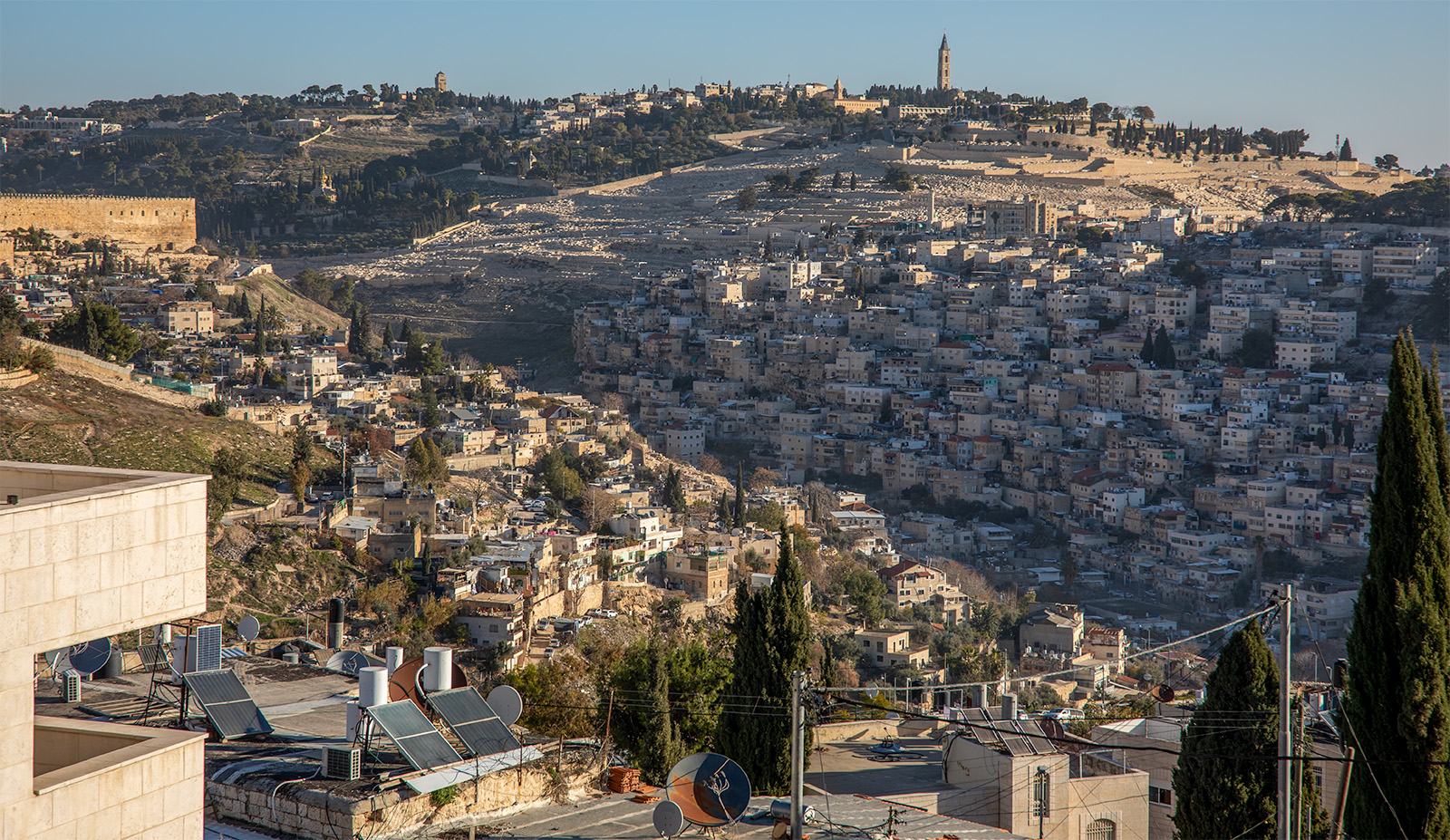
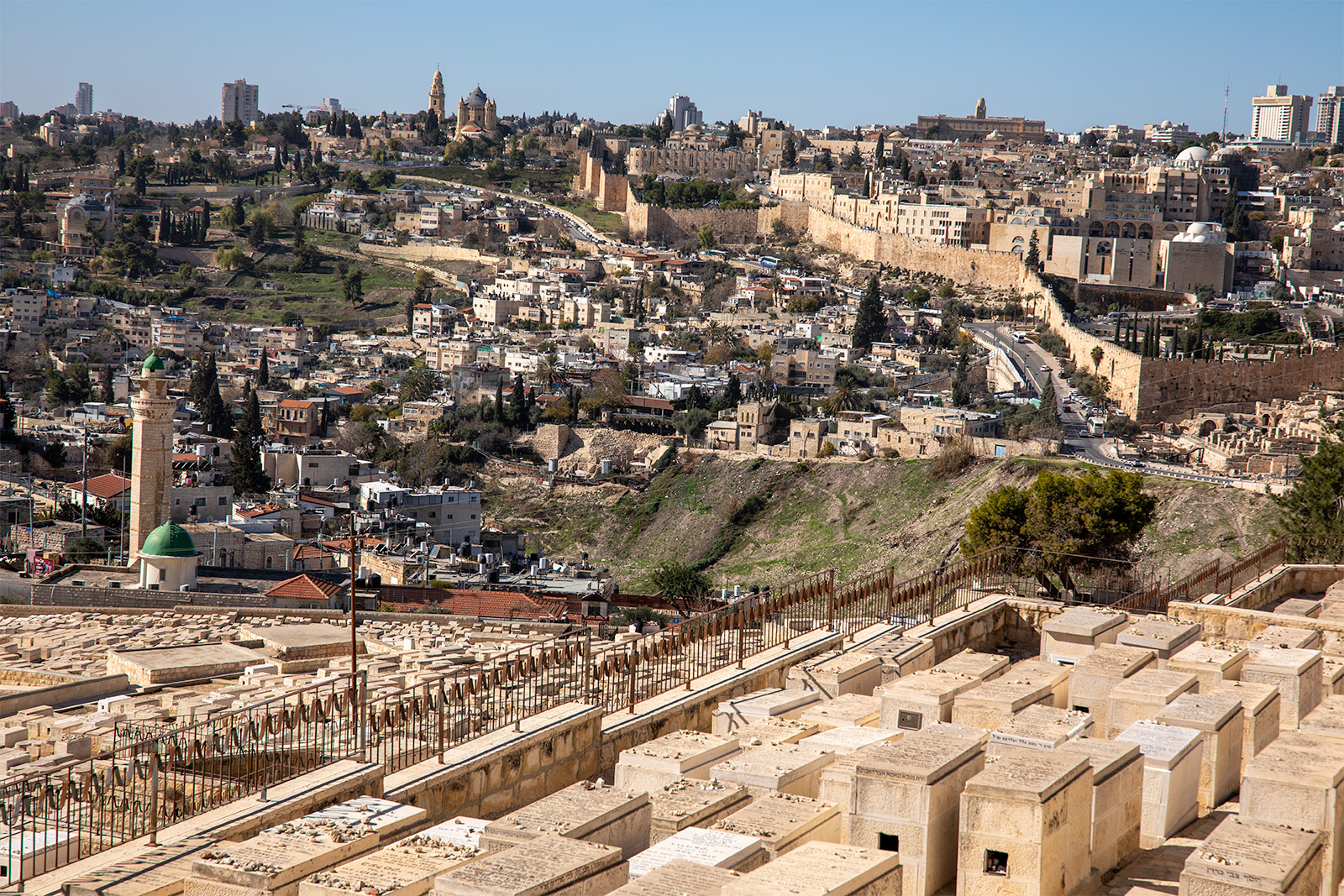
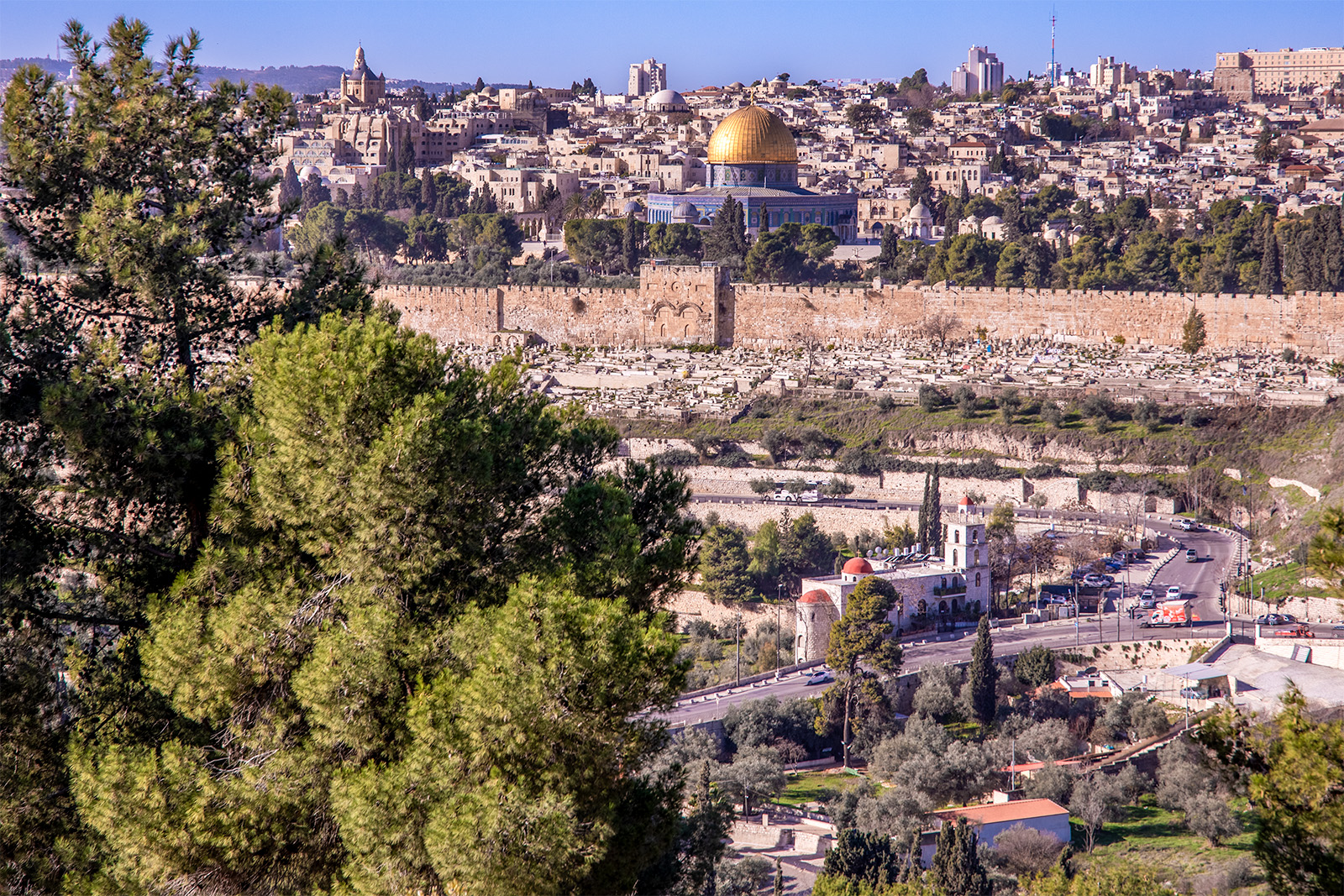
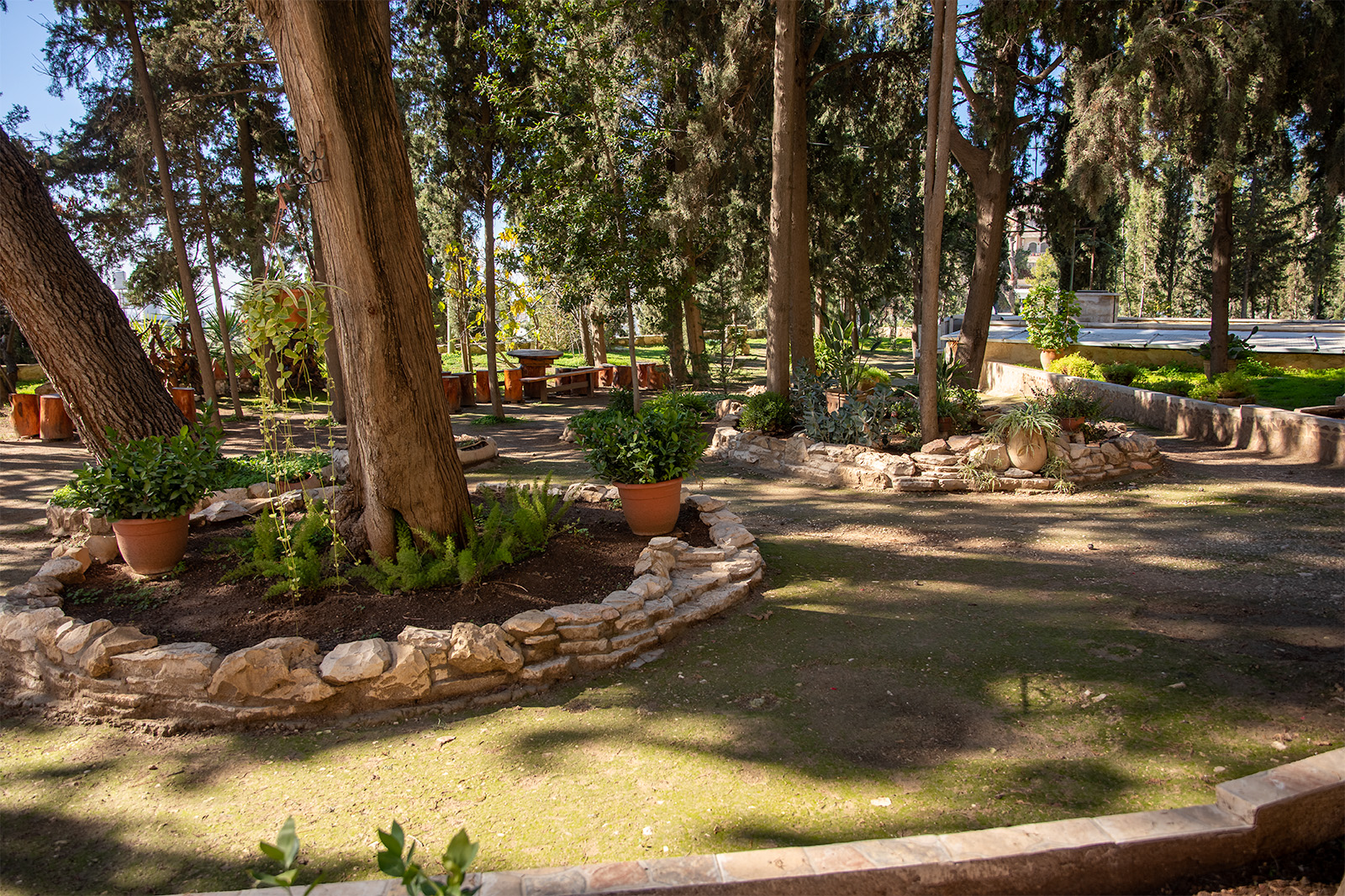
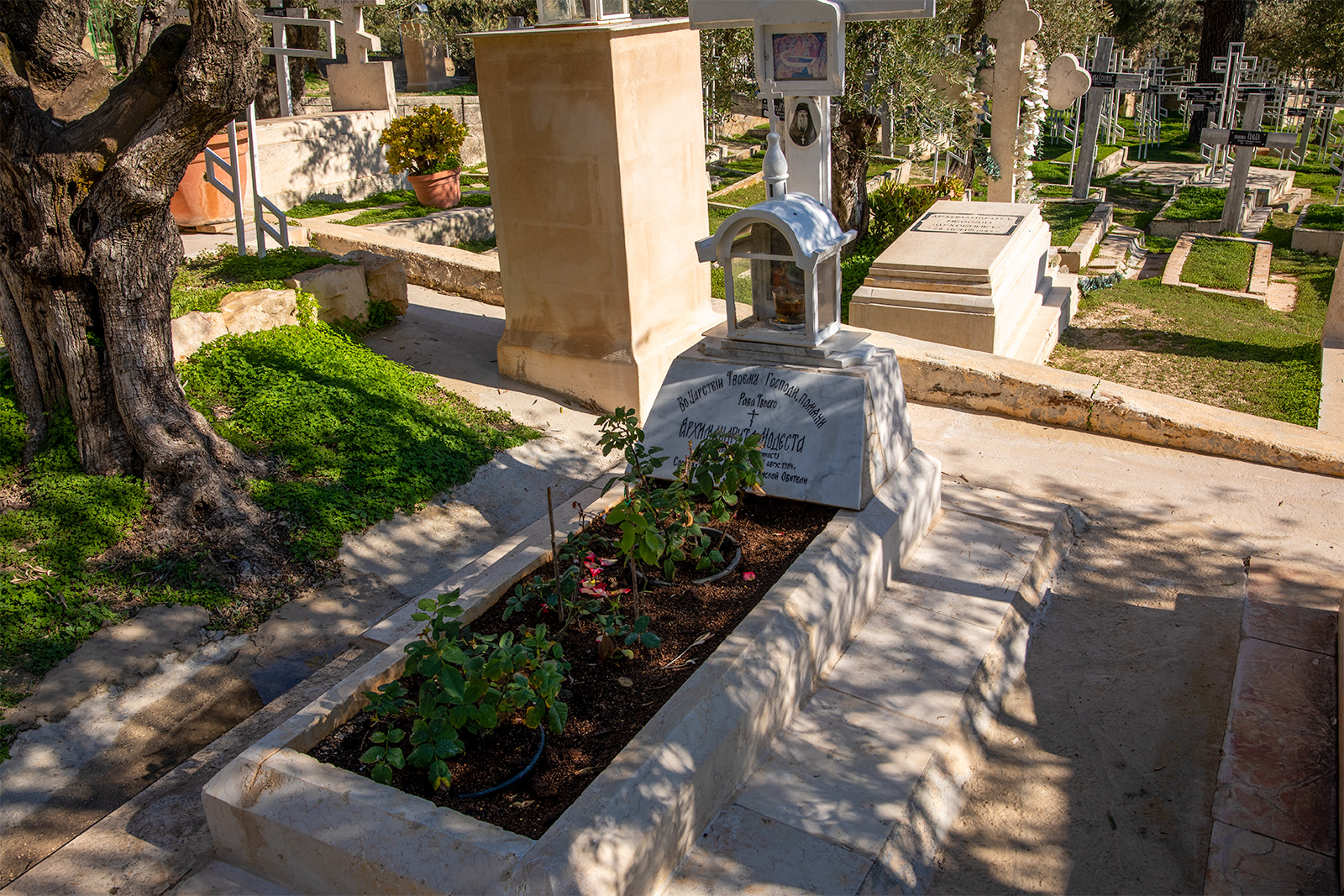
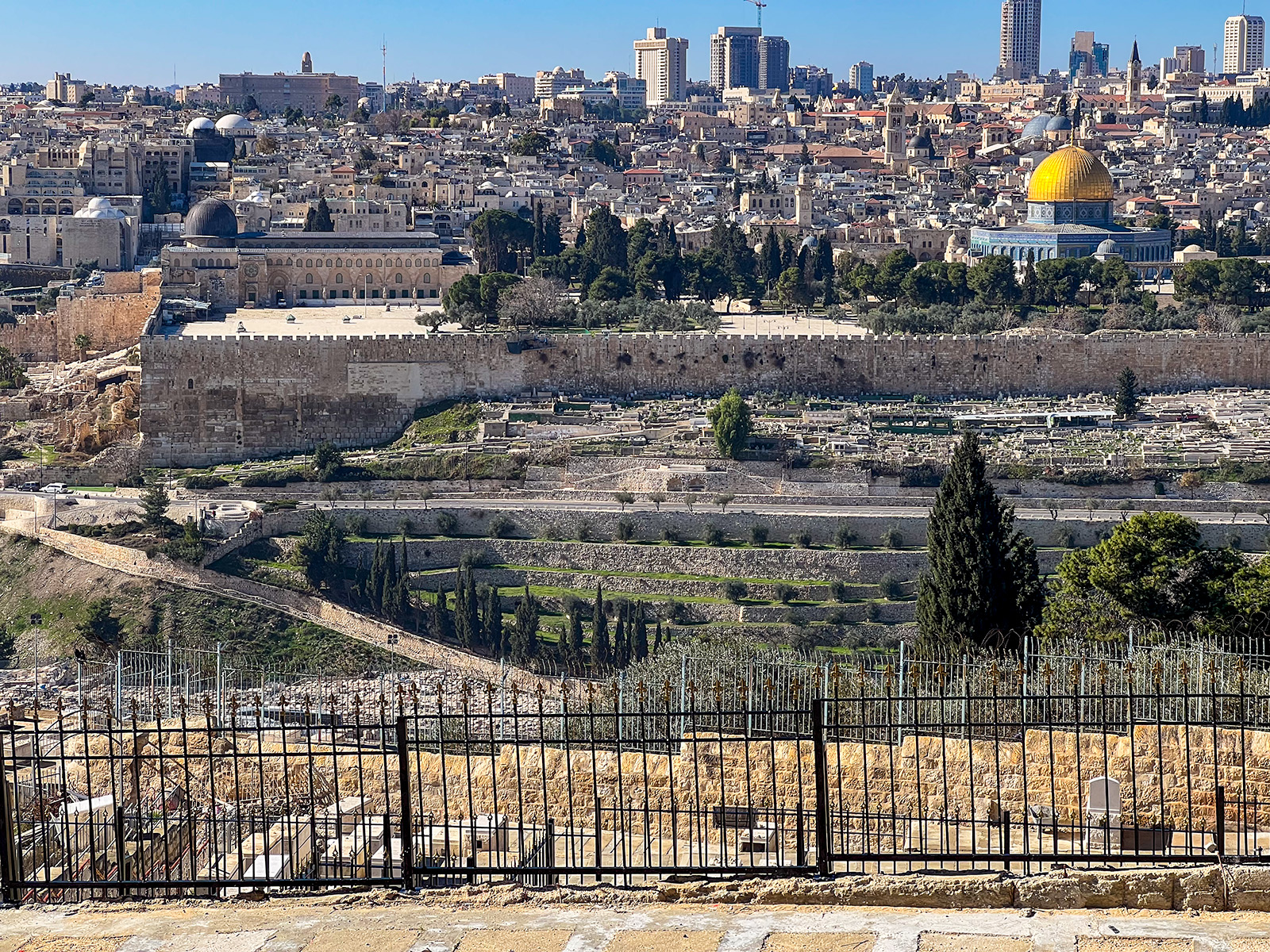
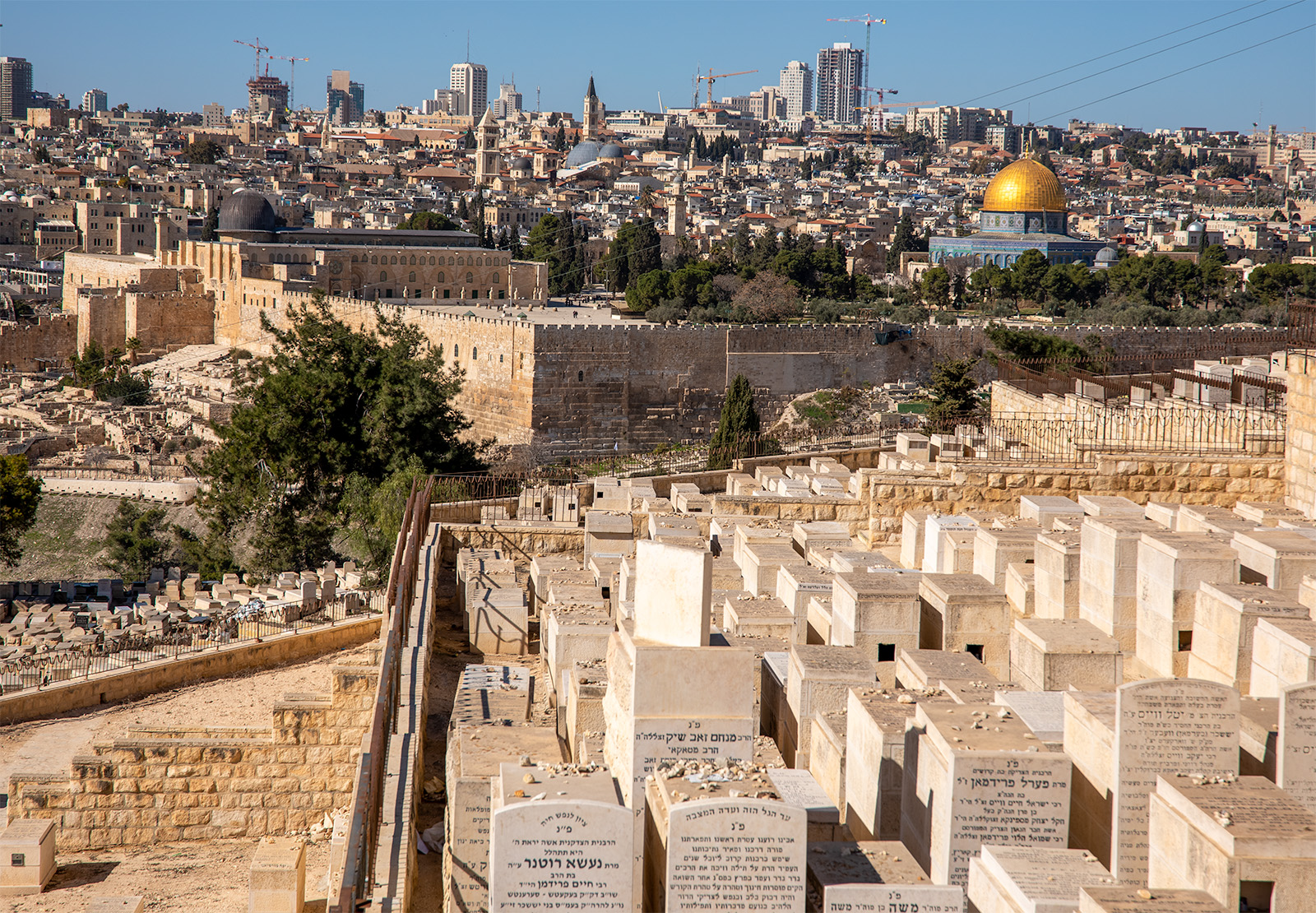
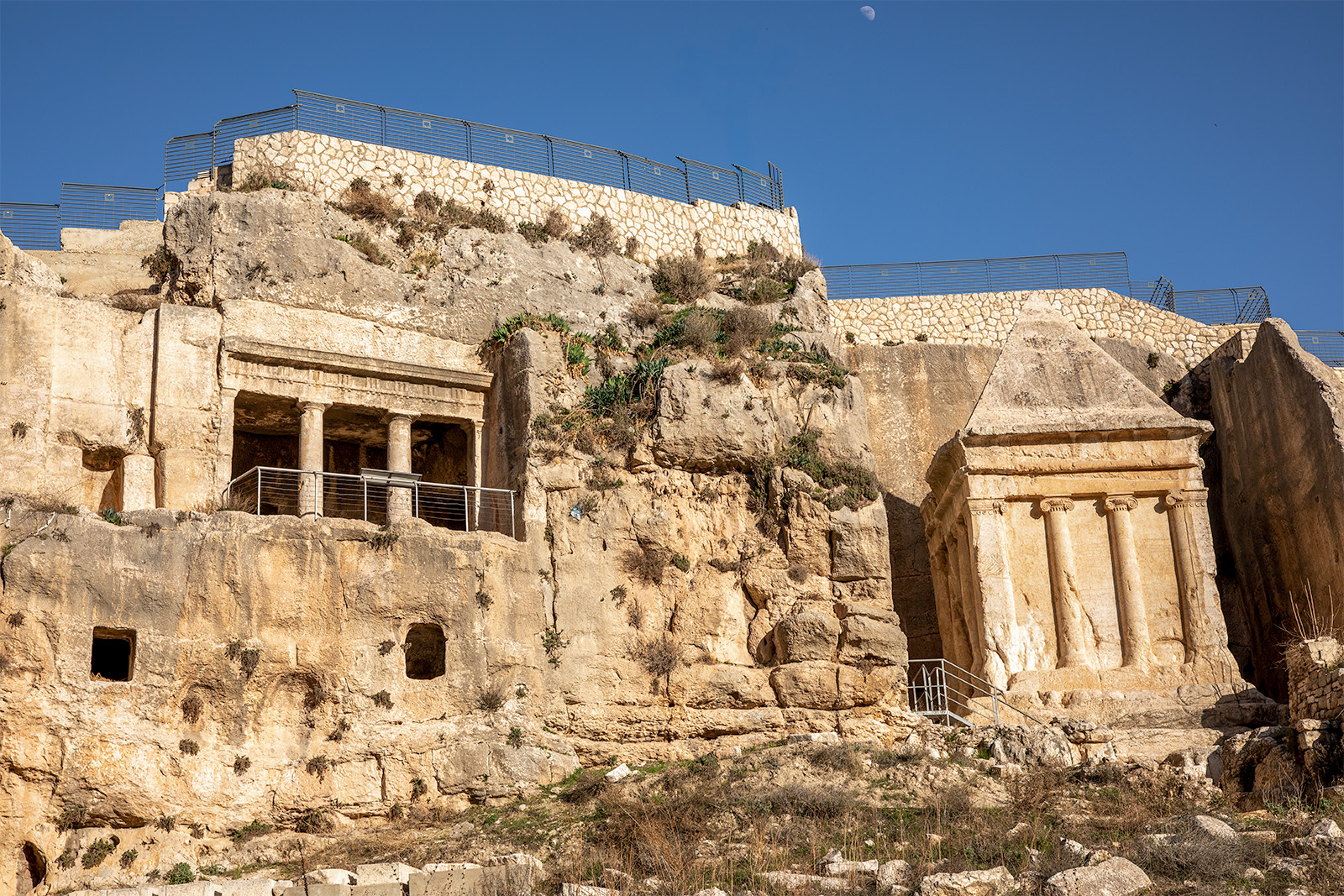
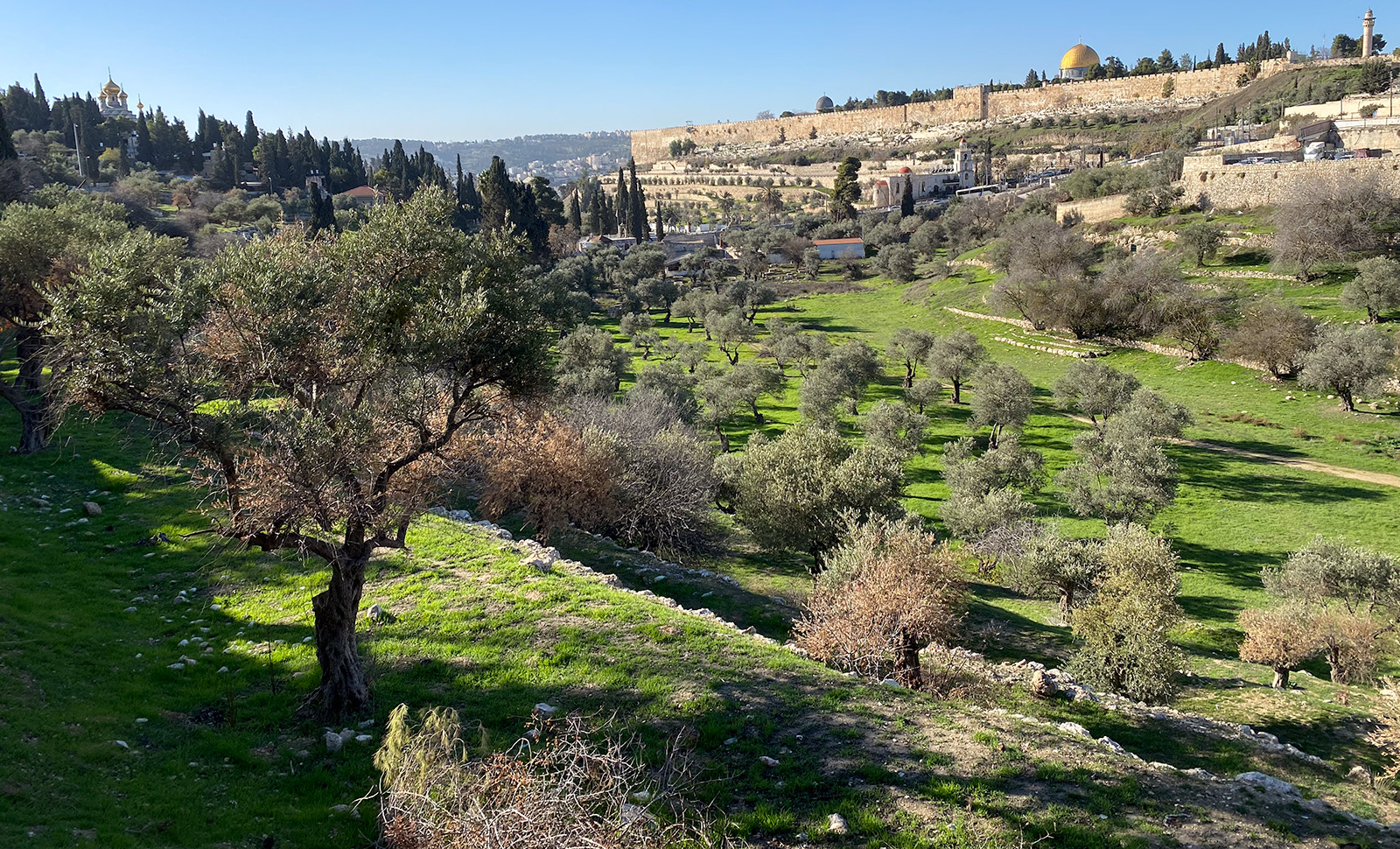
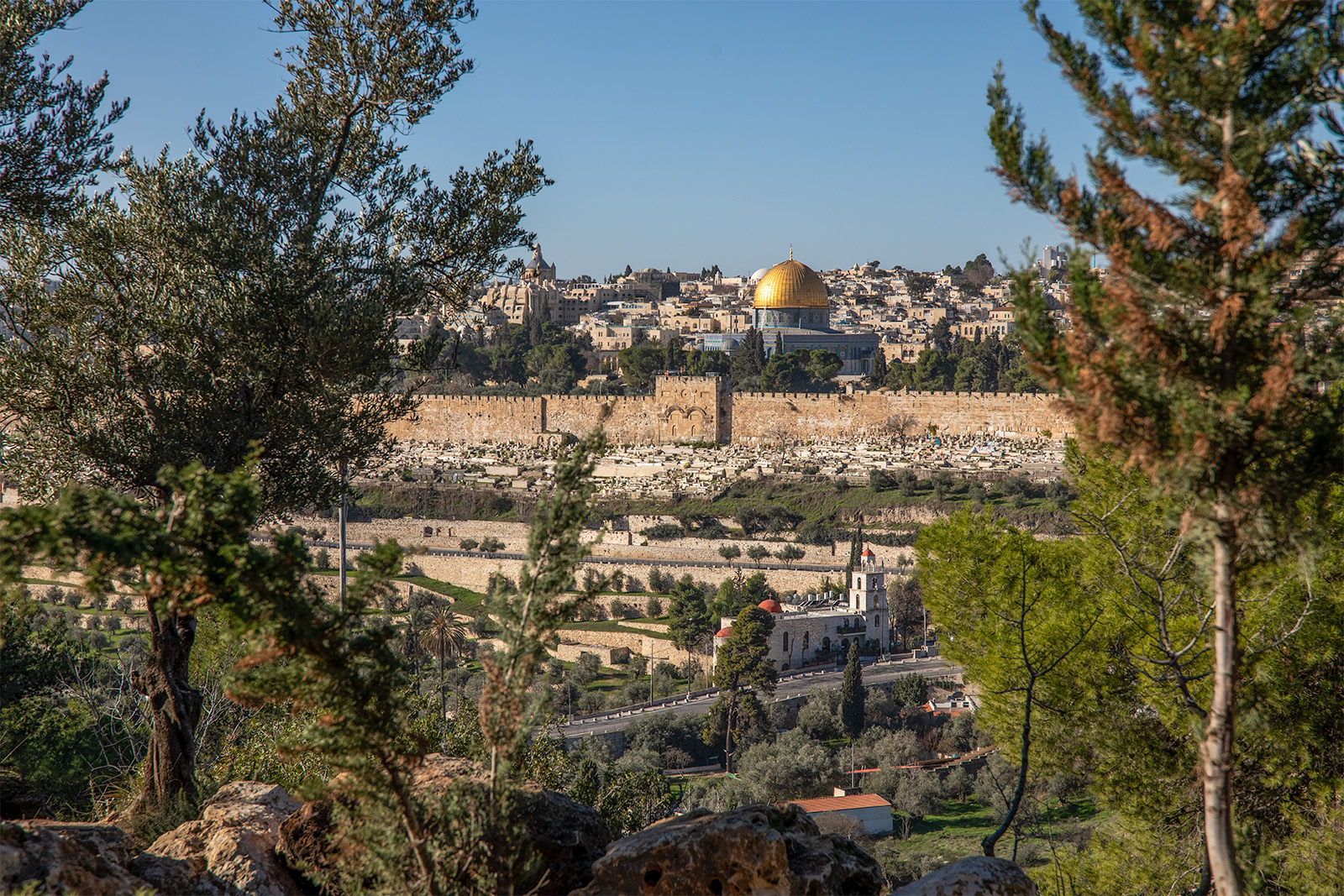
Rising above the Kidron Valley on the eastern side of Jerusalem, the Mount of Olives offers one of the world's most recognizable views. From its slopes, visitors look across the Temple Mount, the walls of the Old City, and the ancient landscape where many of the Bible's most significant events unfolded. For thousands of years, this ridge has served as a place of worship, pilgrimage, burial, and prophecy, making it sacred to Jews, Christians, and Muslims alike.
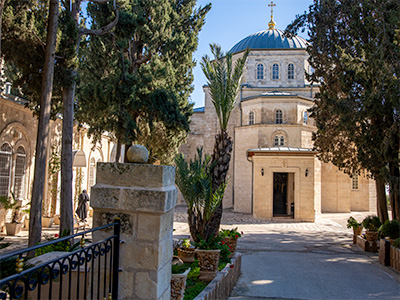
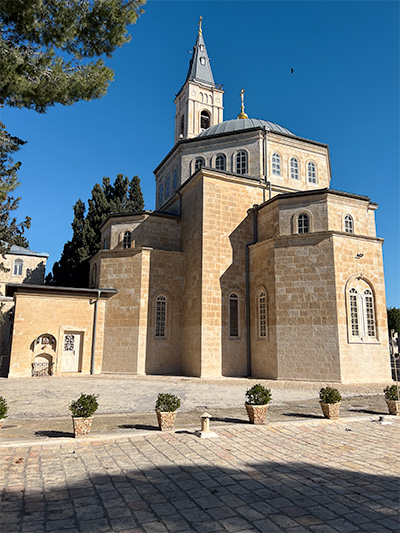
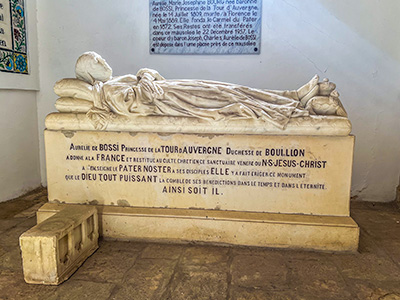
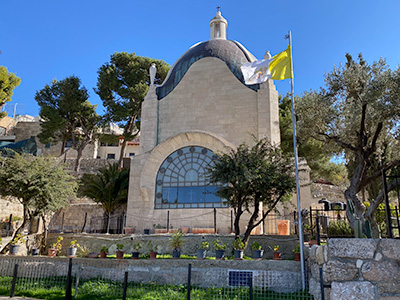
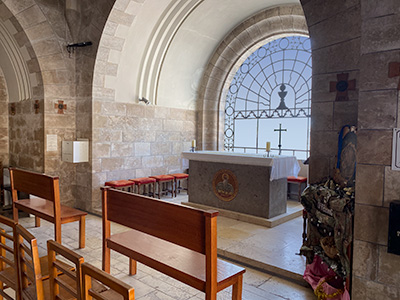
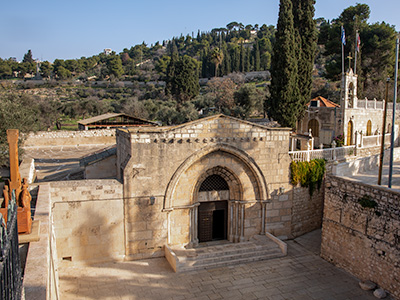
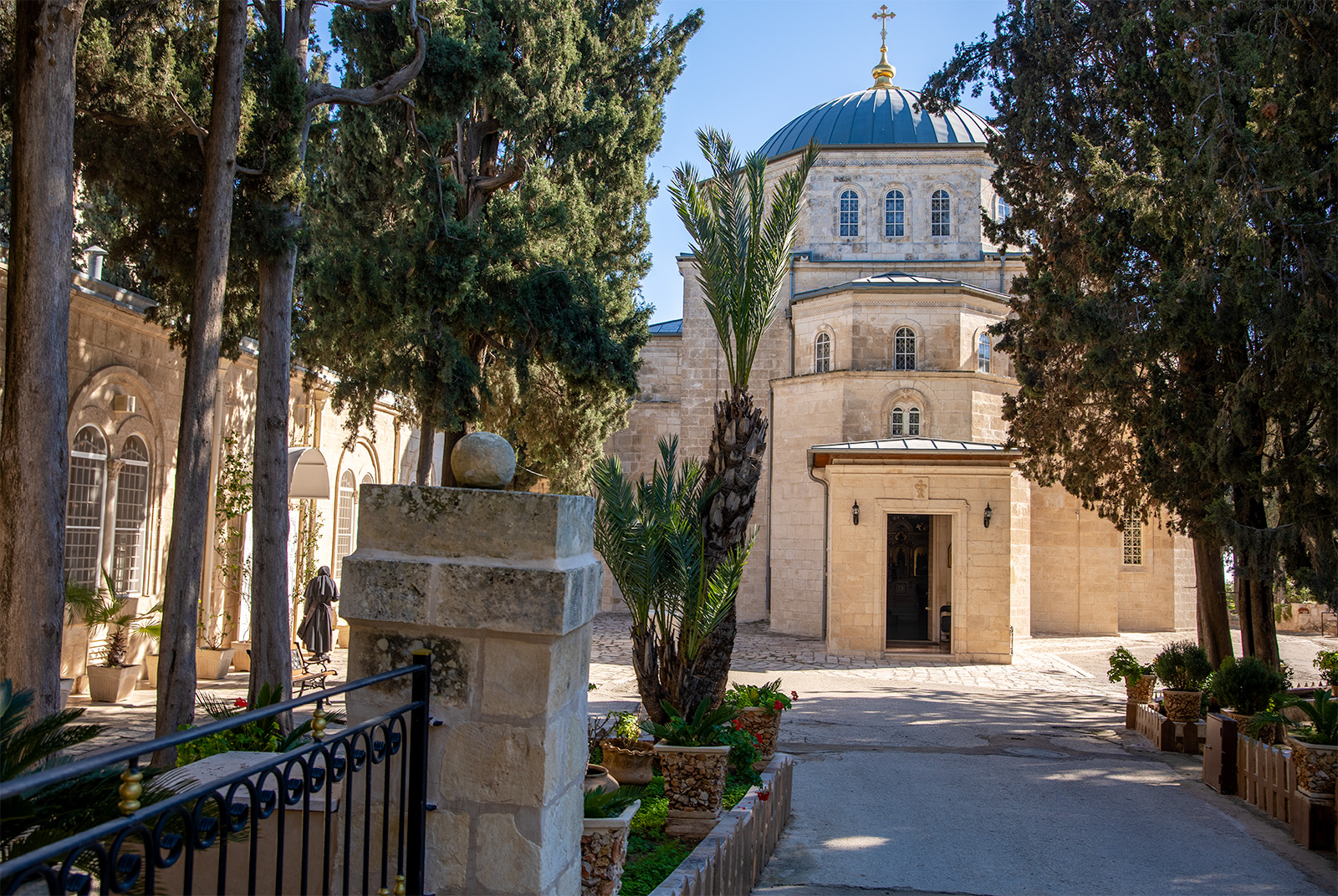
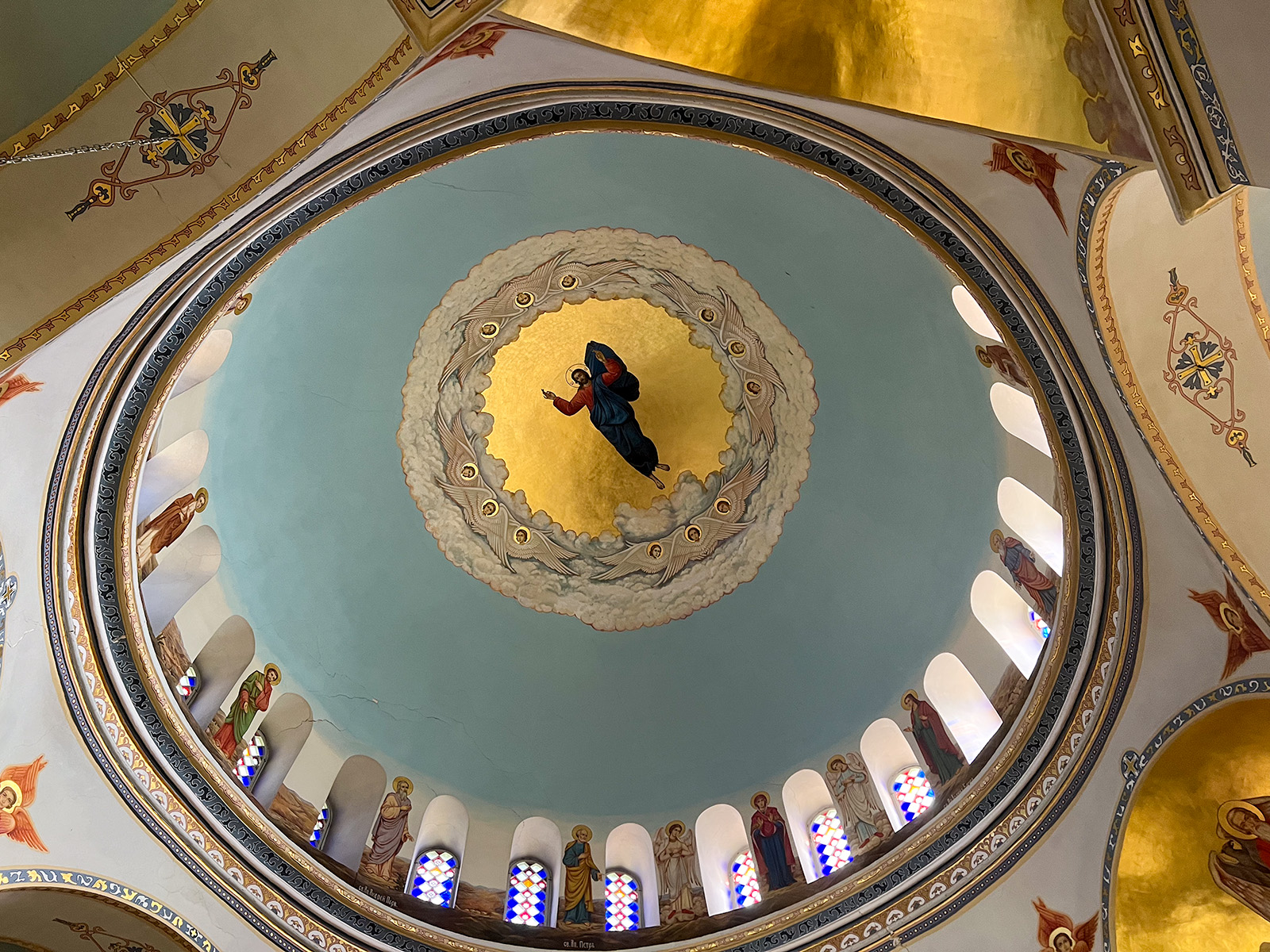
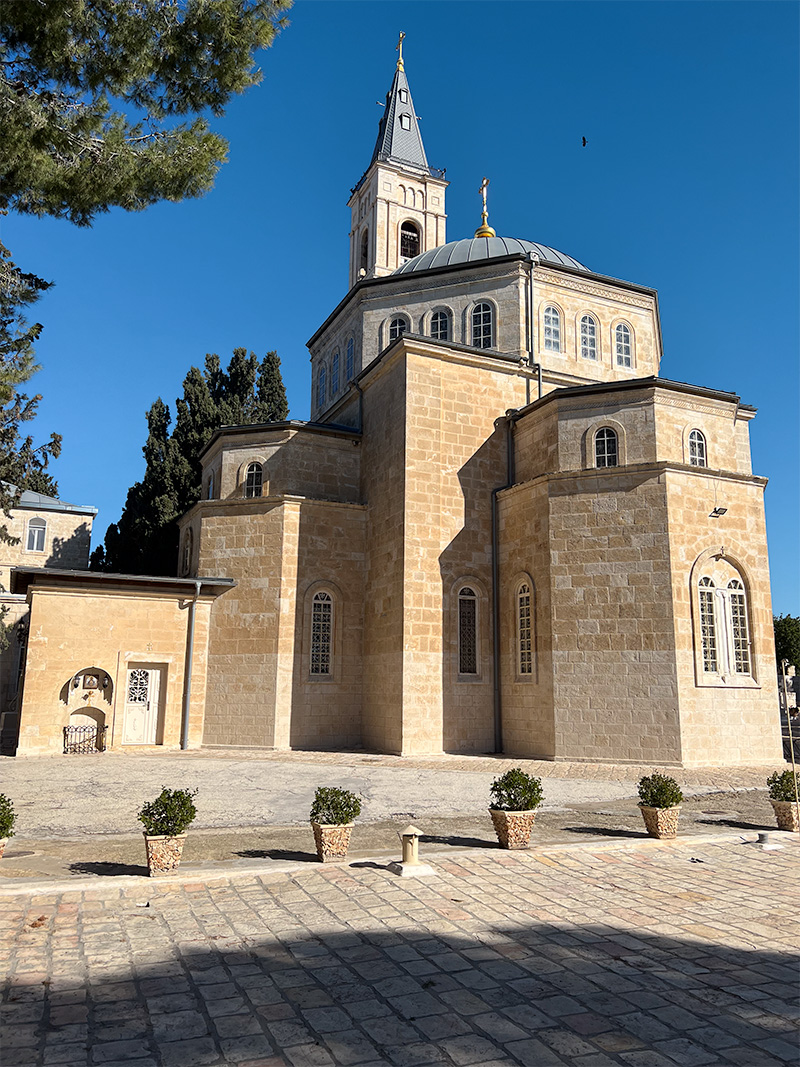
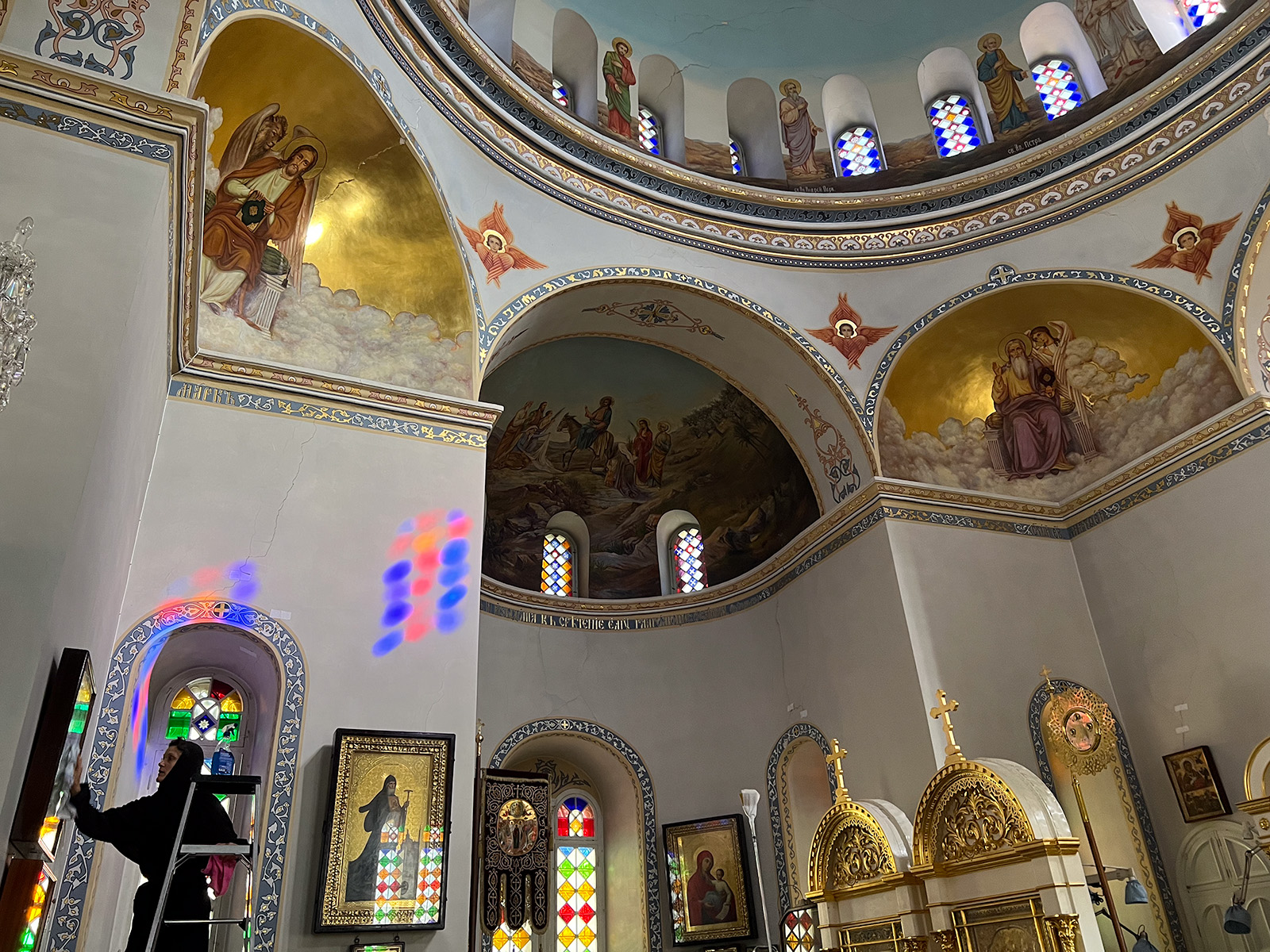
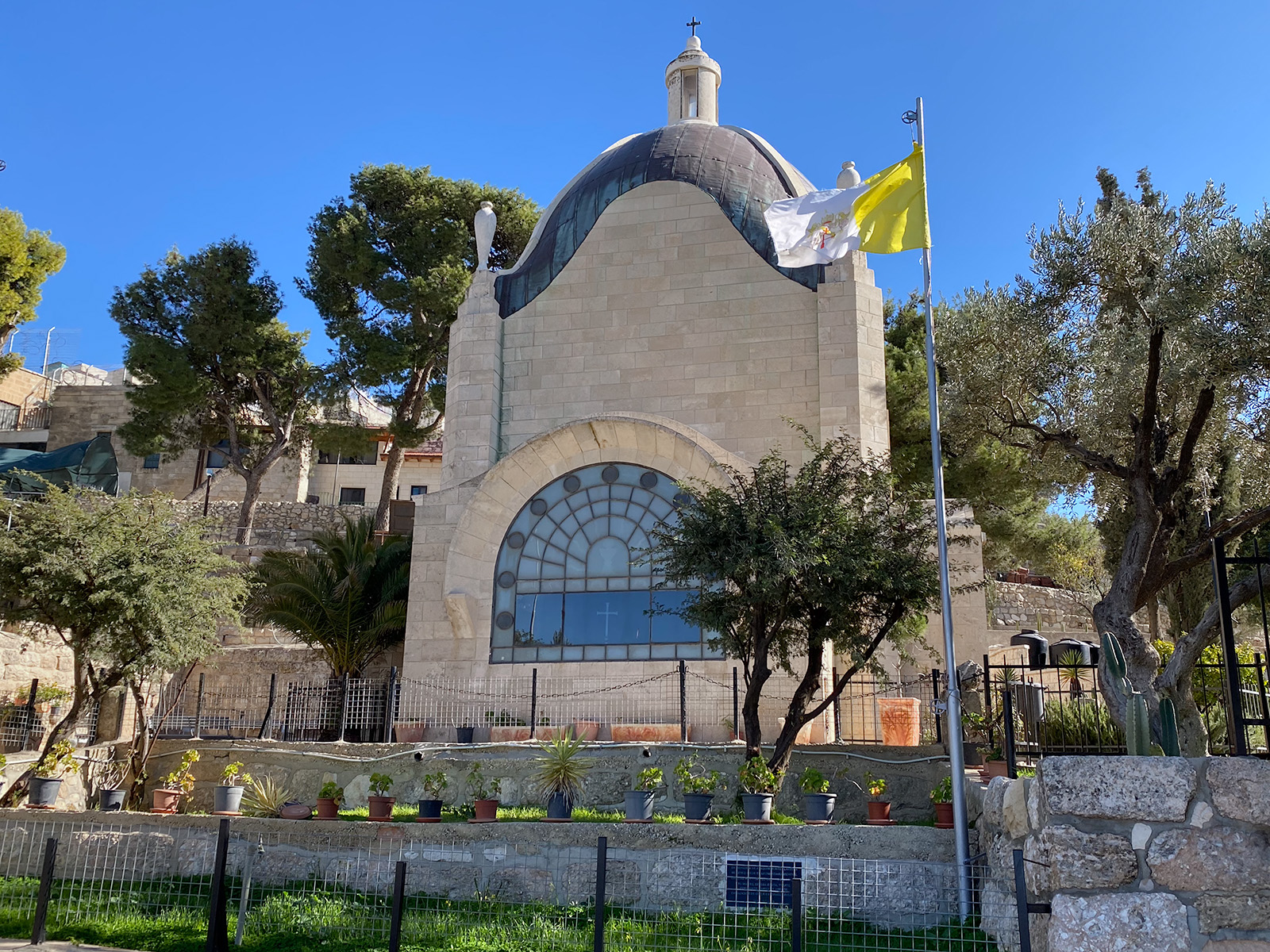
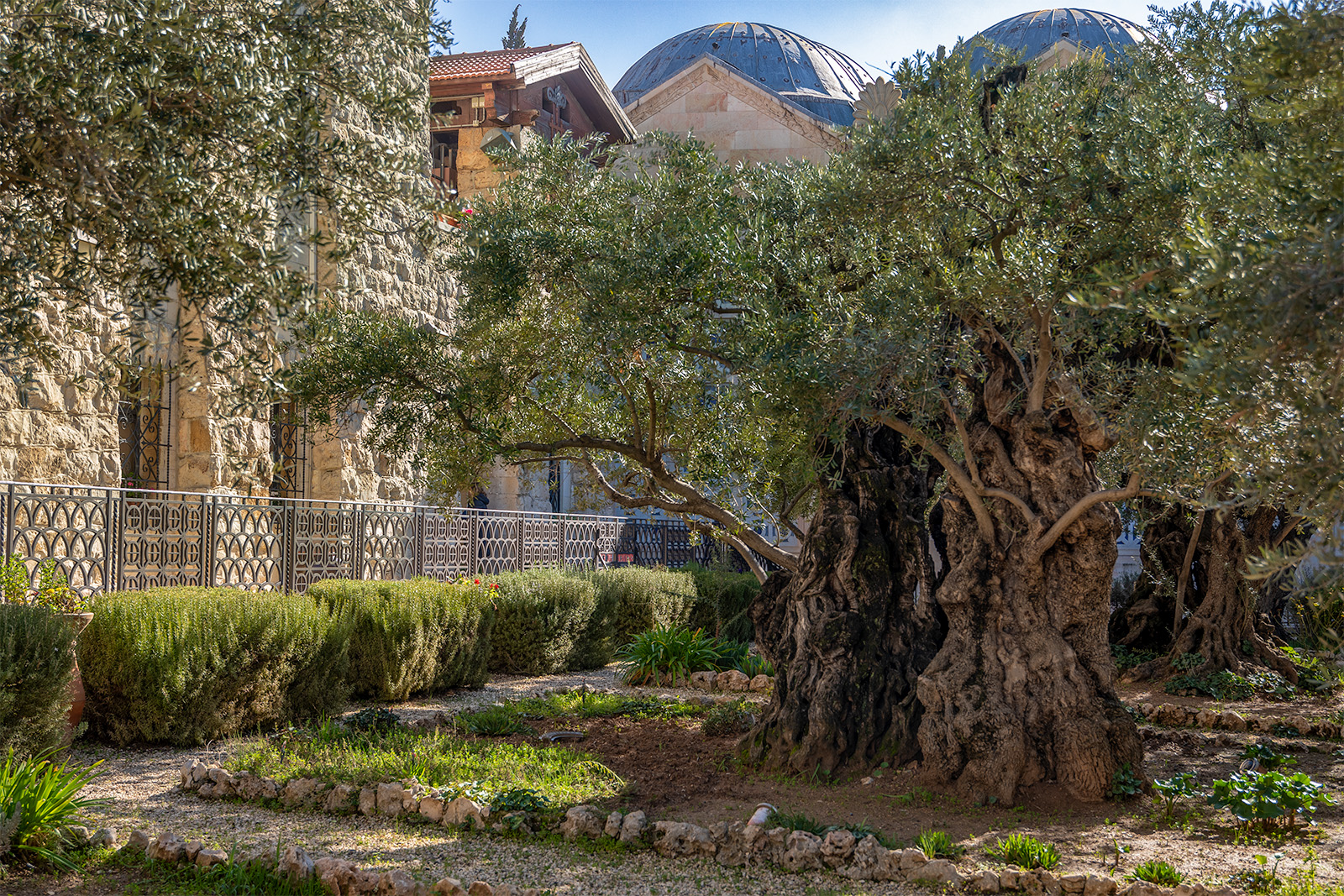
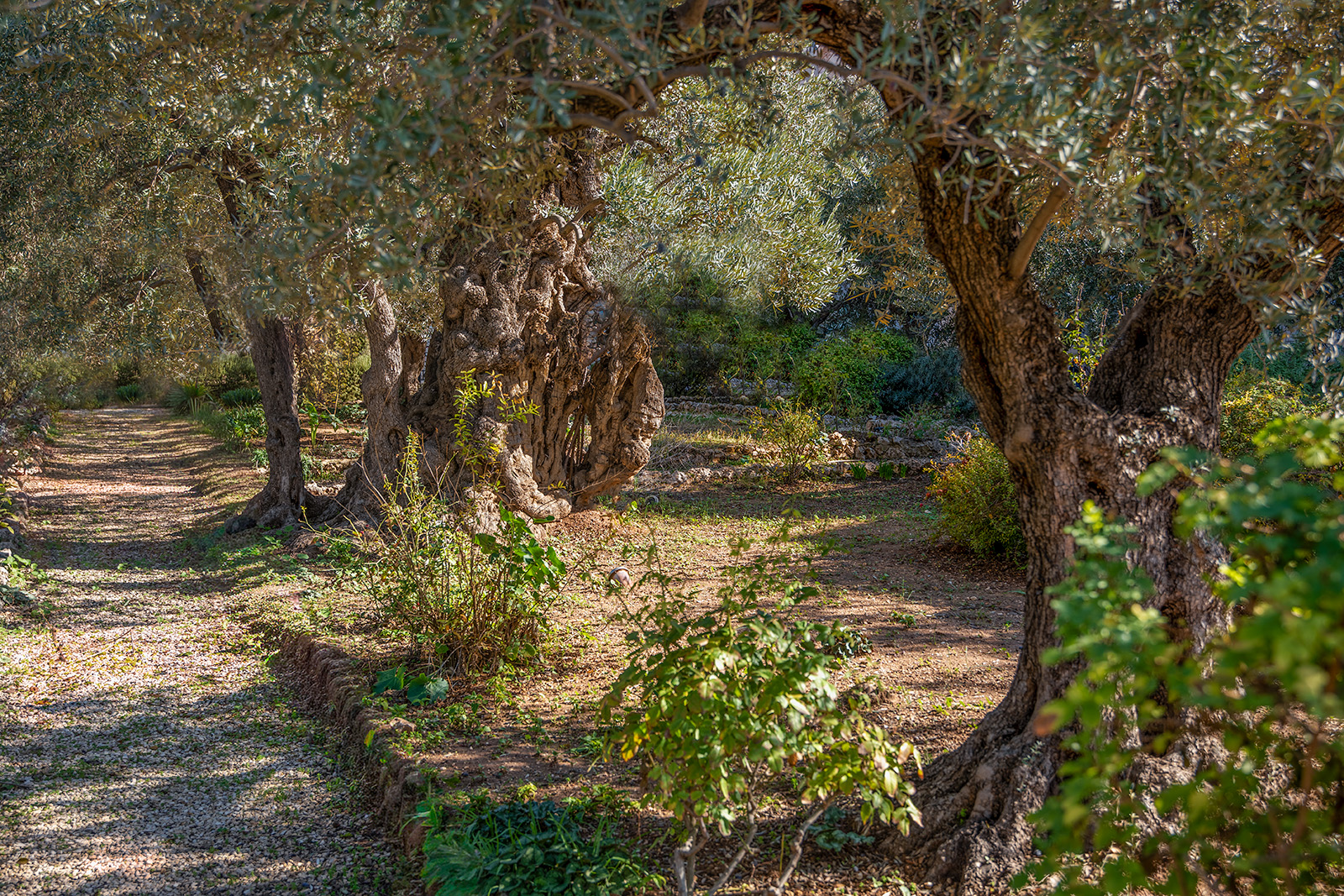
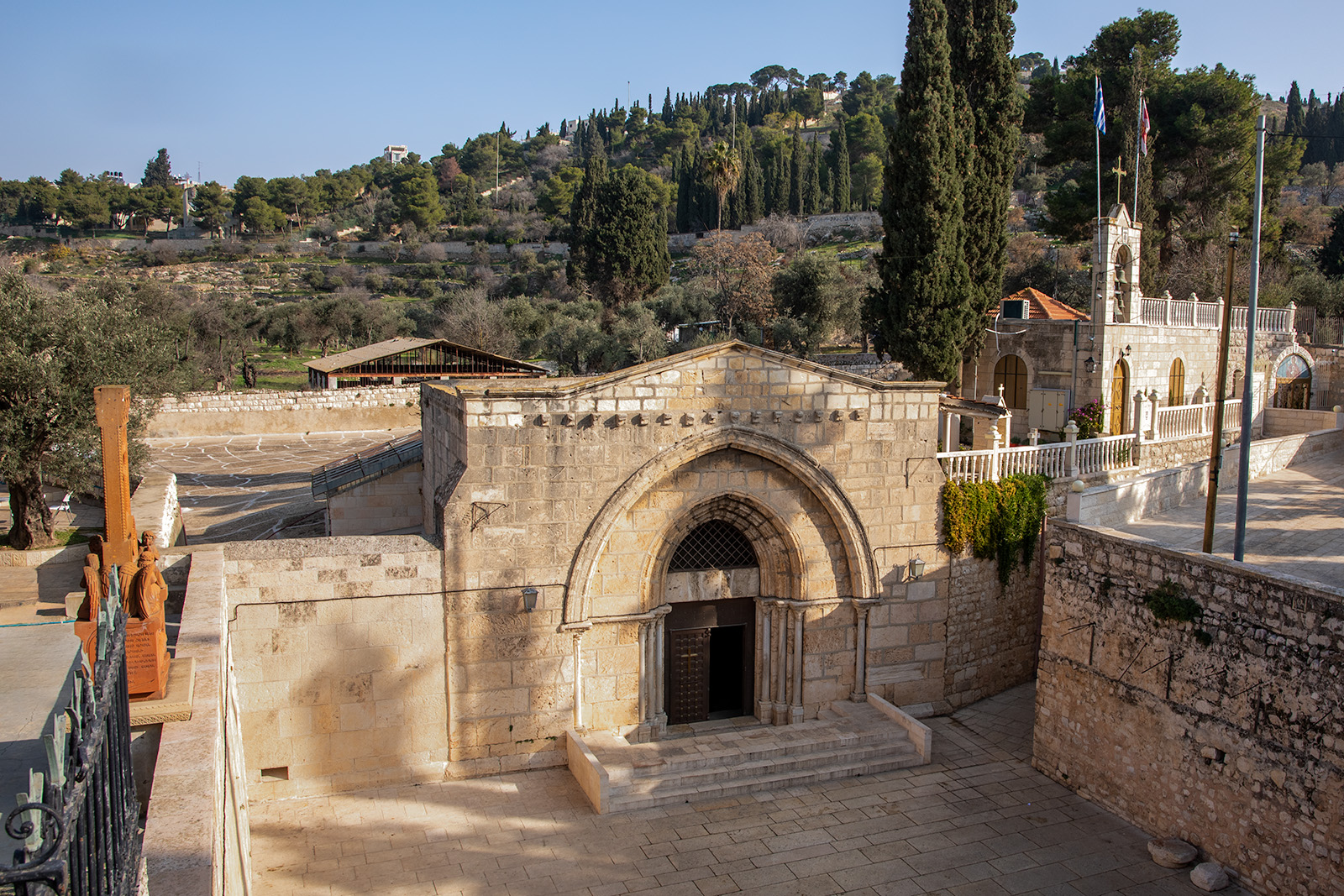
For Christians, the Mount of Olives is closely associated with the final week of Jesus' mortal ministry. Here He made His triumphal entry into Jerusalem, taught His disciples the Olivet Discourse, wept over the city, prayed in the Garden of Gethsemane, and, following His Resurrection, ascended into heaven. The mount preserves many of the places that commemorate these events, surrounded by churches and monuments built over centuries of Christian devotion.
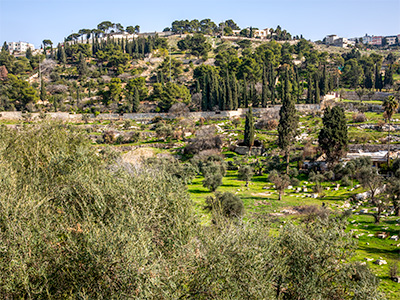
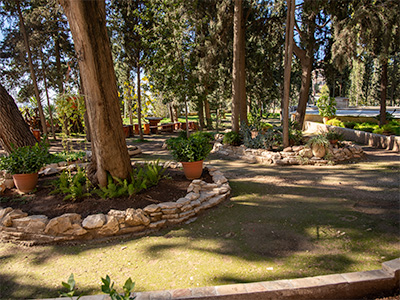
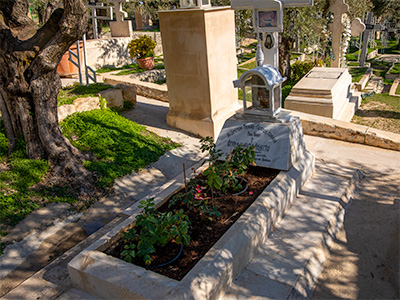
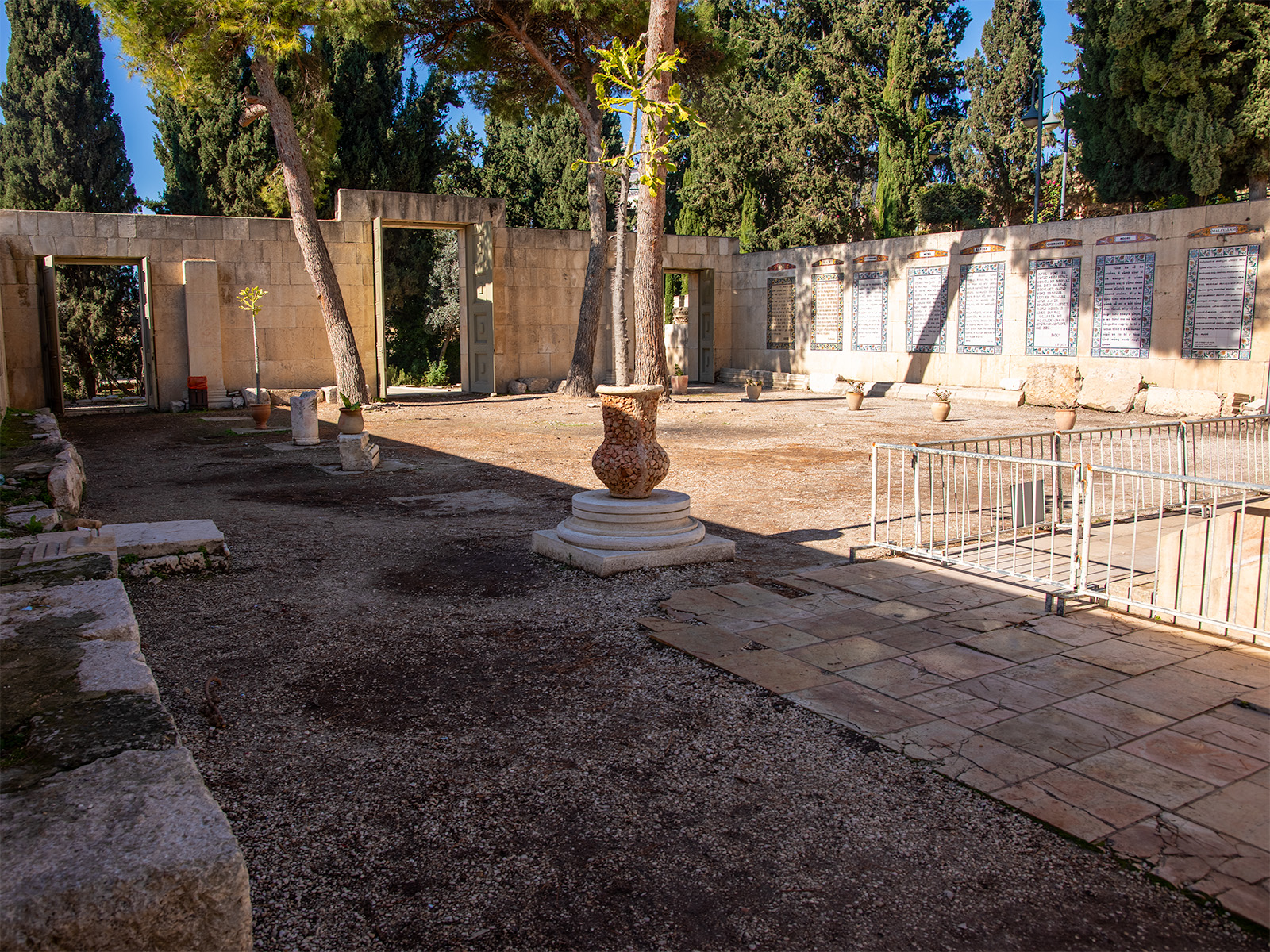
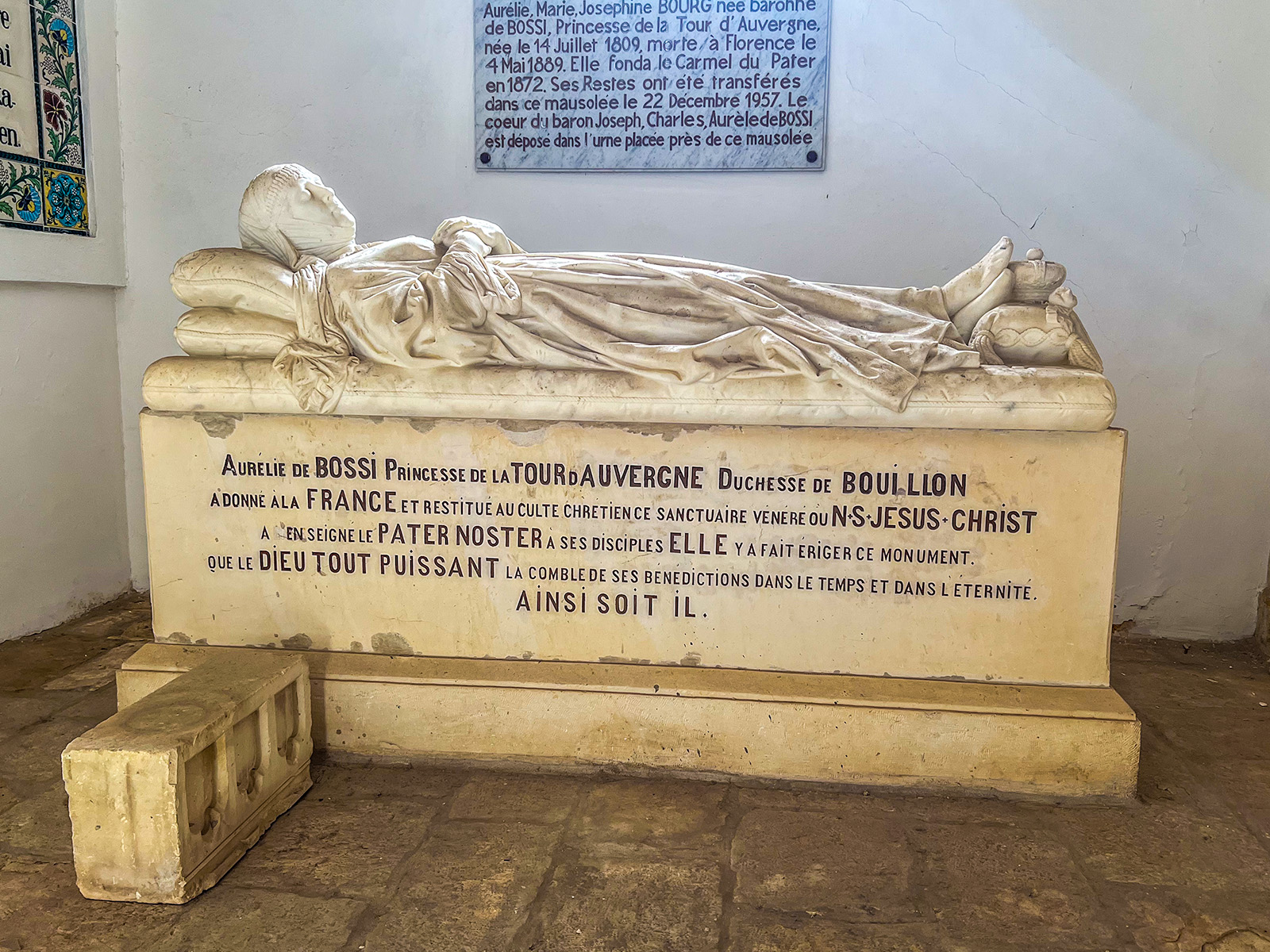
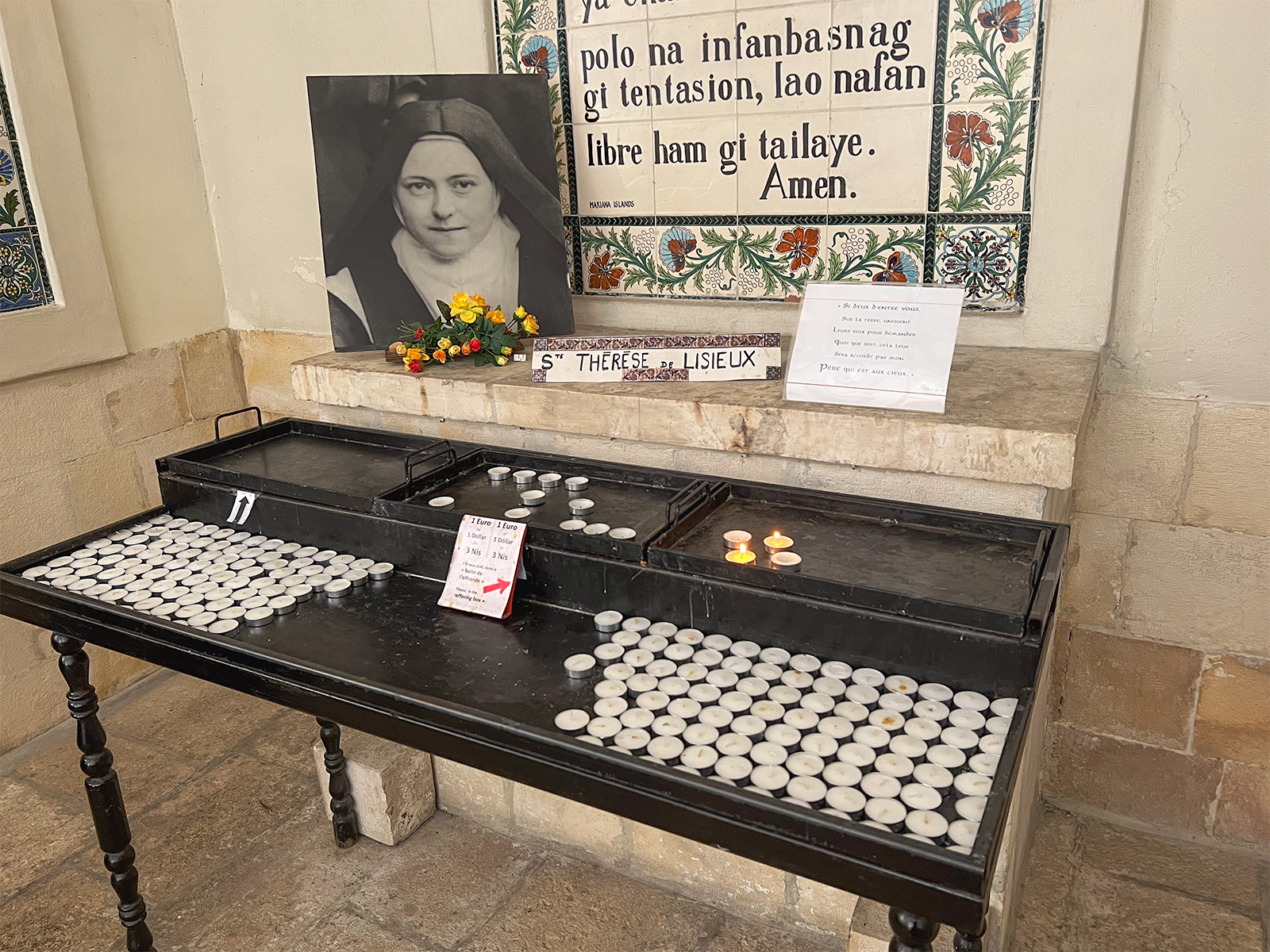
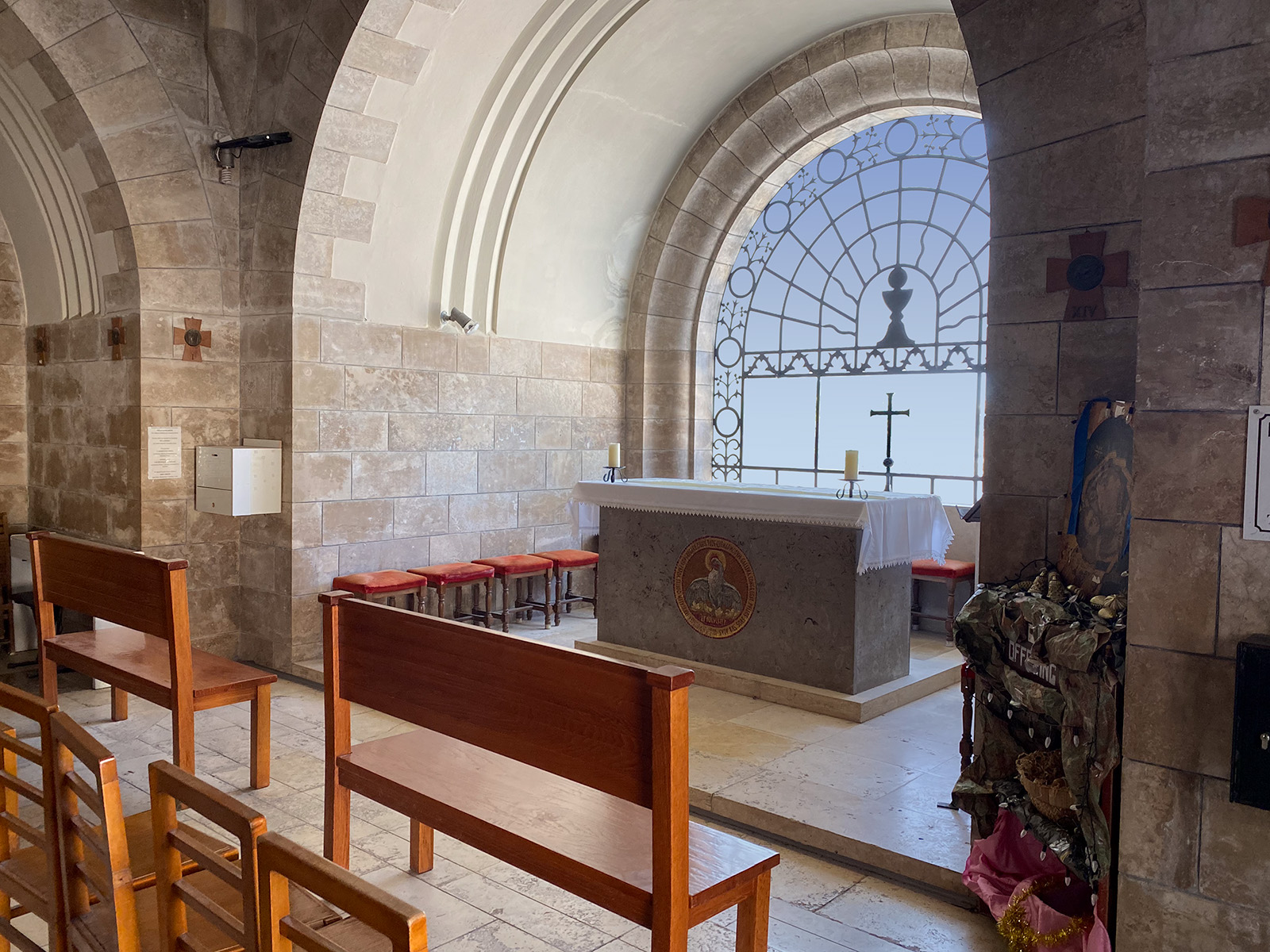
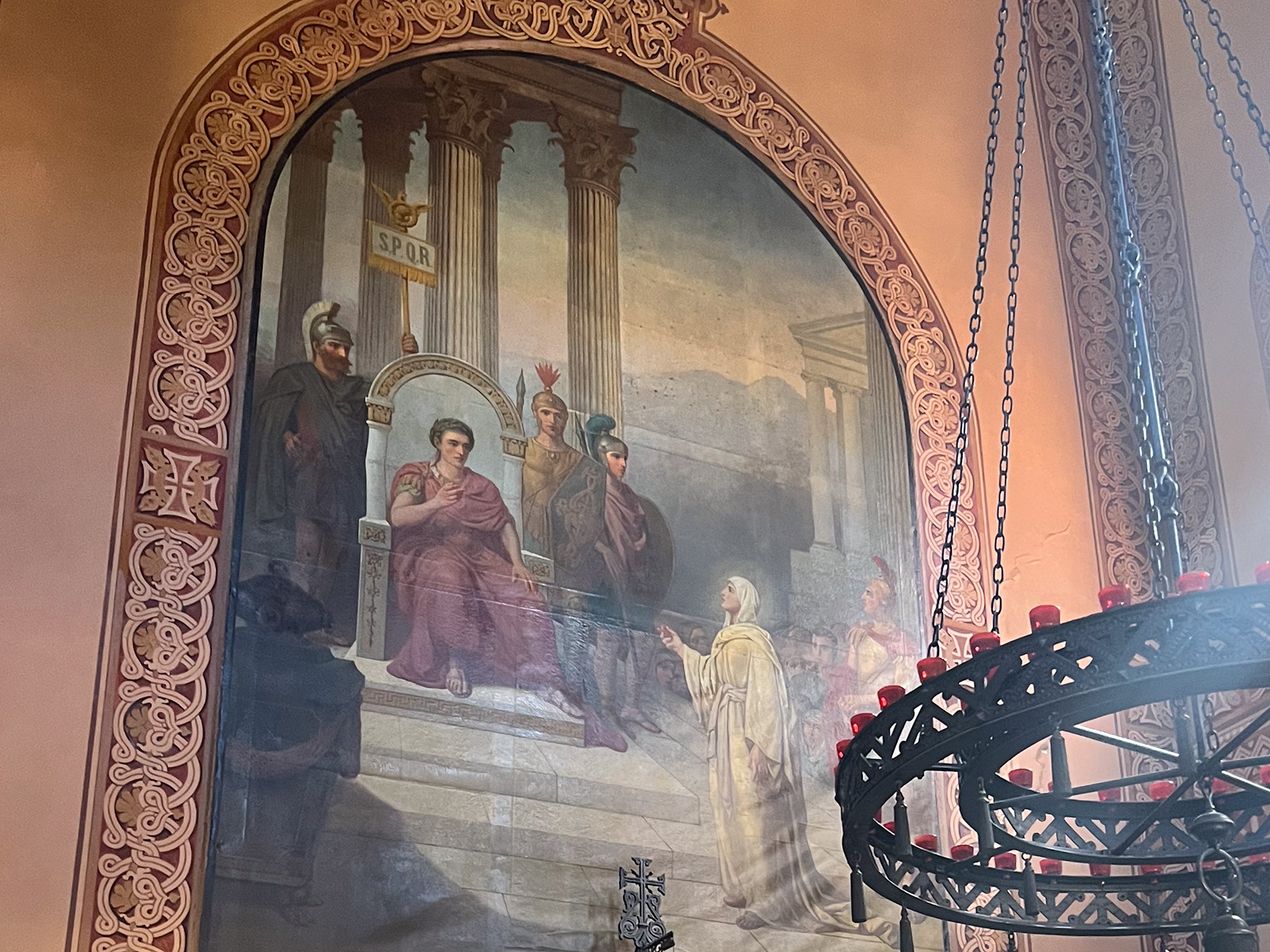
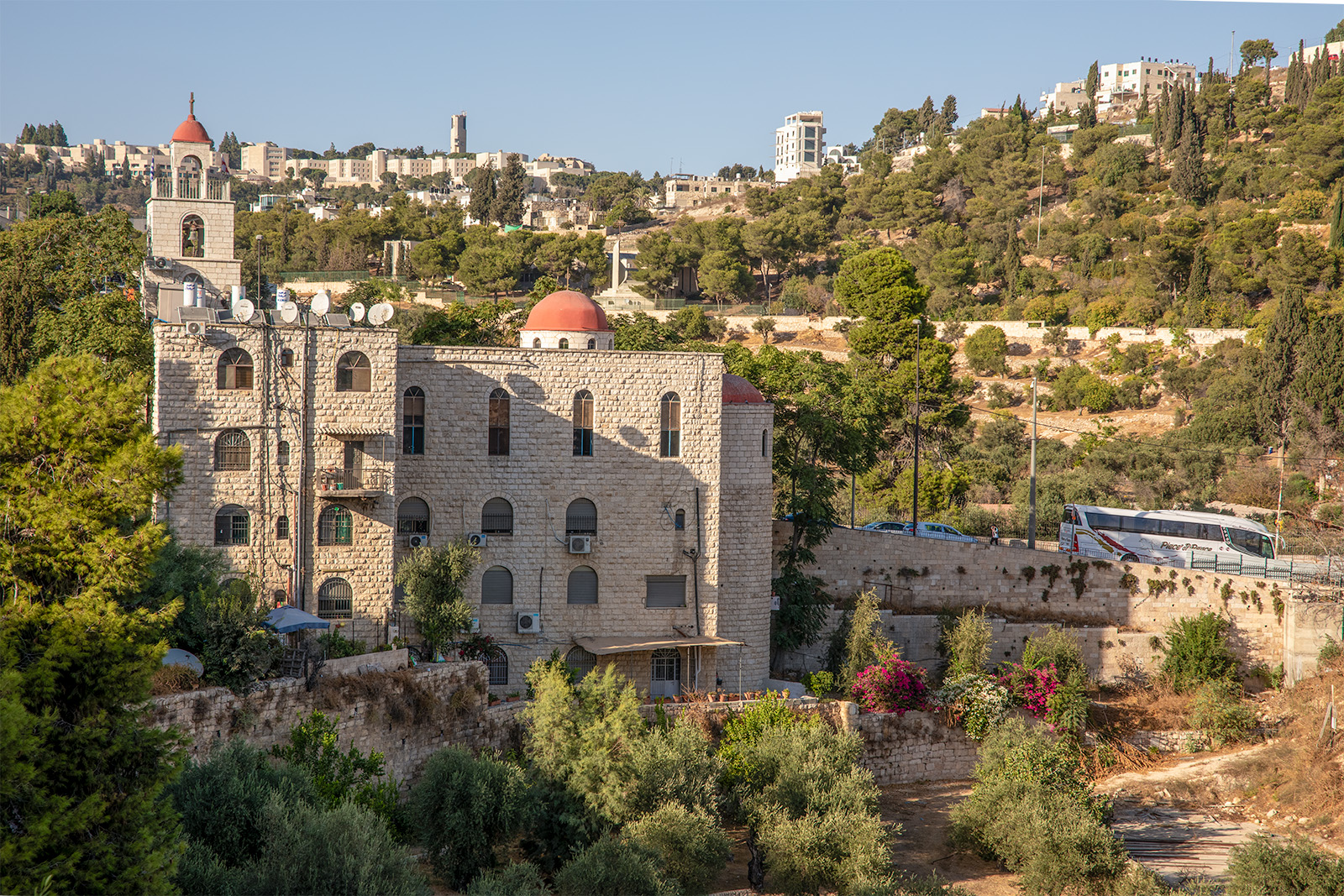
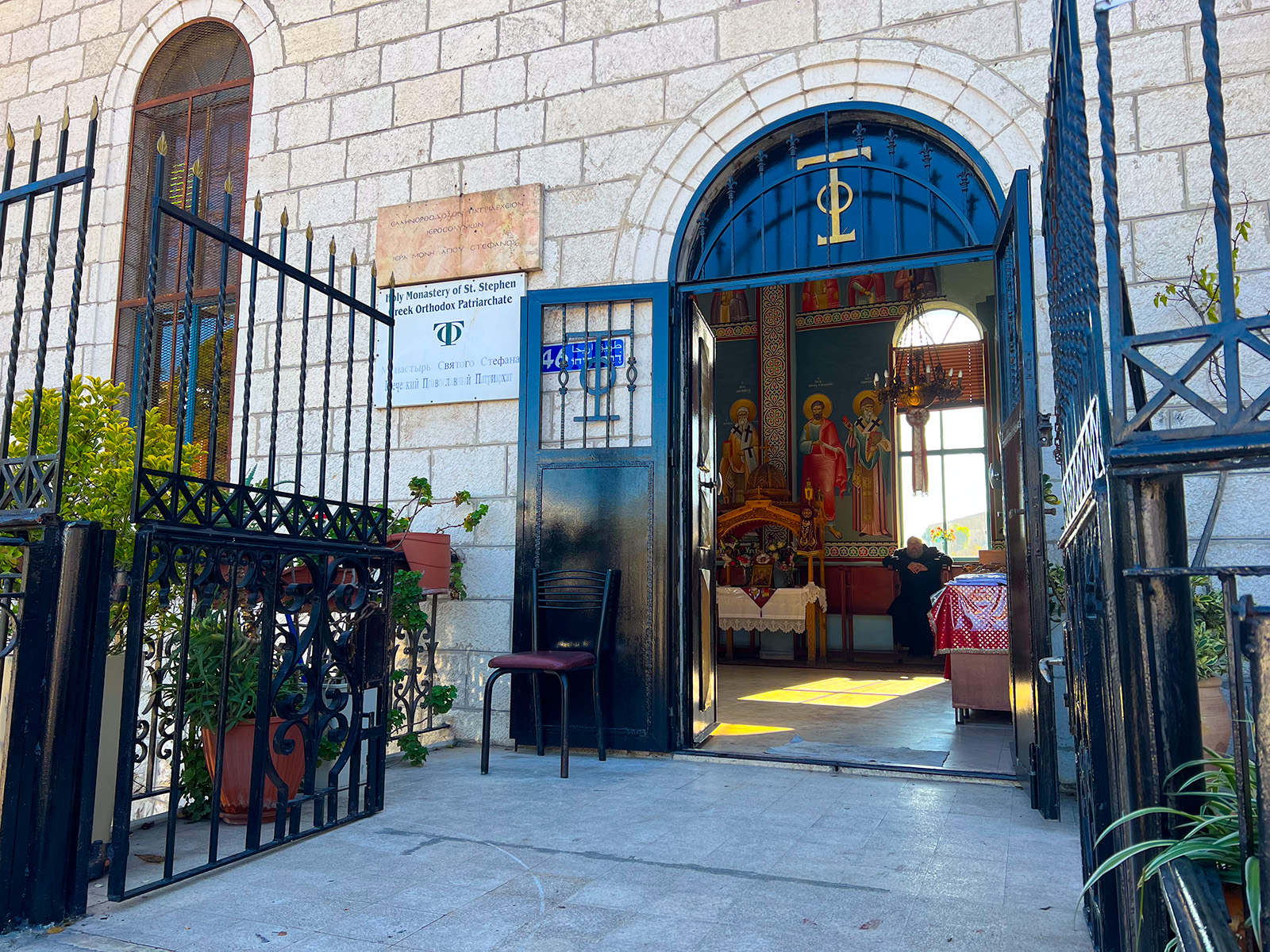
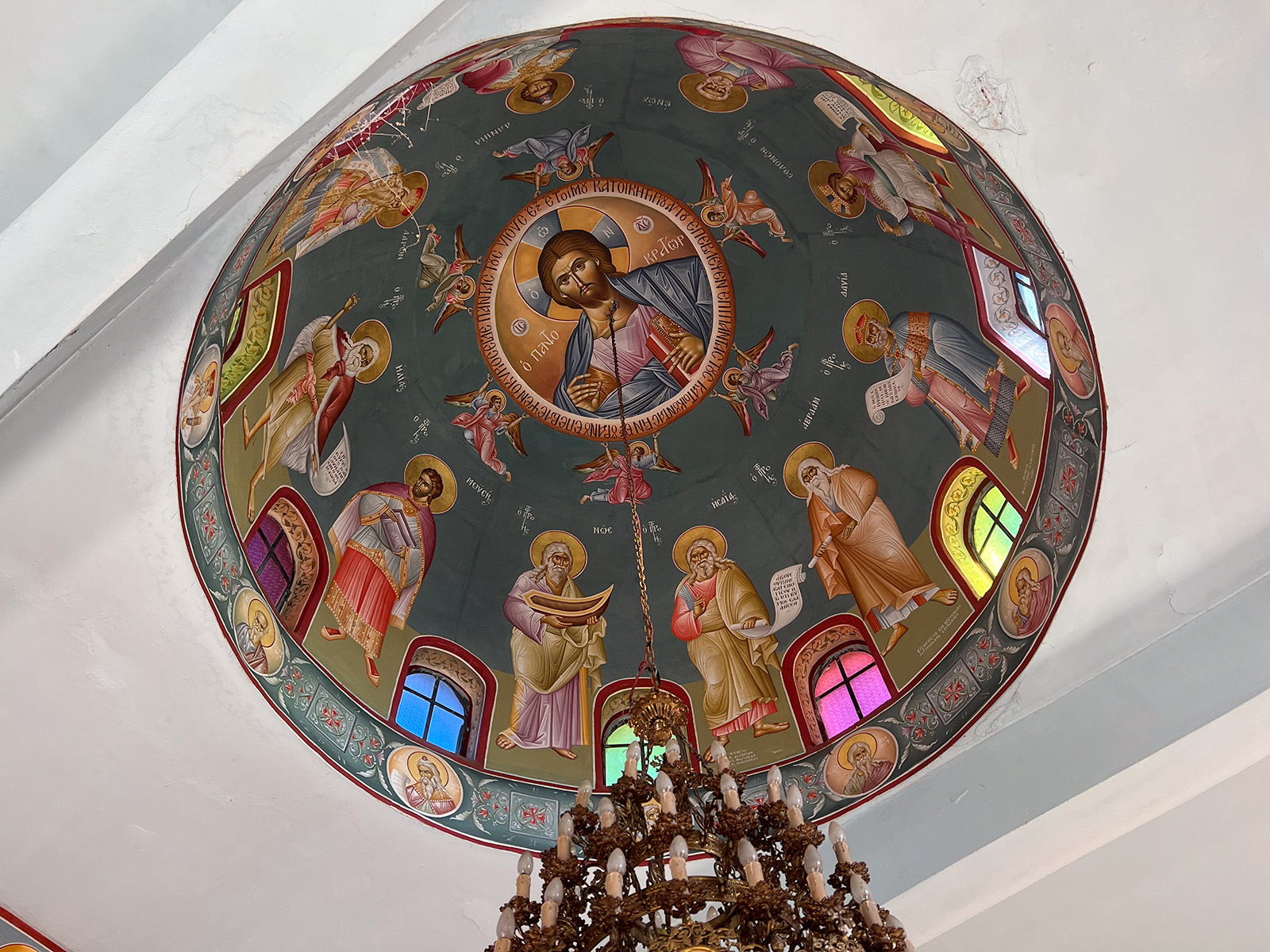
This gallery follows the principal sites found along the Mount of Olives, beginning with its panoramic overlooks and continuing to the Garden of Gethsemane and other important landmarks. Along the way, you'll discover not only the history and archaeology of these sacred places, but also gain a deeper appreciation for why this hillside has remained one of the most meaningful destinations for pilgrims visiting Jerusalem for nearly two thousand years.