Scroll To Top
Scroll To Top

Capernaum Photo Gallery

Click the title to view map


Site Overview

  • Region: Northern Galilee
  • Biblical Territory: Naphtali
  • Modern Site: Capernaum National Park (Kfar Nahum), Israel
  • Nearby Landmark: Greek Orthodox Church of the Seven Apostles
  • Primary Scripture References: Matt. 4:13–16; Mark 1:21–39; Luke 4:31–44; John 6
Greek Orthodox Church of the Seven Apostles

Following His baptism and temptation, Jesus left Nazareth and made Capernaum His home during much of His Galilean ministry (Matt. 4:13). Situated along the northwestern shore of the Sea of Galilee, the town became the center from which He taught, healed, called disciples, and revealed His divine authority.

Many of the best-known events recorded in the Gospels took place here. Jesus taught in the synagogue, healed Peter’s mother-in-law, cast out unclean spirits, healed the paralytic lowered through a roof, called Matthew to follow Him, and delivered the Bread of Life discourse after feeding the five thousand.
Crowds gathered from throughout Galilee and beyond, making Capernaum one of the most frequently mentioned locations in the New Testament.

Today visitors can walk among the excavated remains of first-century homes, stand beneath the impressive white synagogue built centuries later, and view the memorial church that preserves the traditional location of Peter’s house. Few places allow visitors to visualize the setting of Christ’s earthly ministry as clearly as Capernaum.

Reflection

Capernaum witnessed extraordinary miracles and heard some of the Savior’s greatest teachings. Yet Jesus later declared that many of its inhabitants had failed to respond with faith (Matt. 11:23–24). The city reminds us that witnessing truth is not the same as accepting it. Every disciple must decide whether simply to observe Christ’s works or to truly follow Him.
Slide Presentation Major Events

Greek Orthodox Church of the Seven Apostles

The Greek Orthodox Church of the Seven Apostles

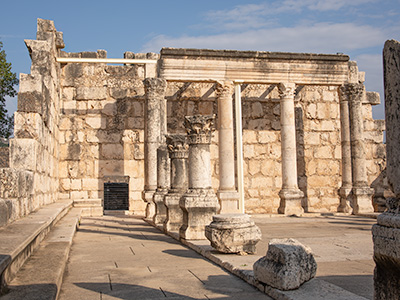
Capernaum White Synagogue

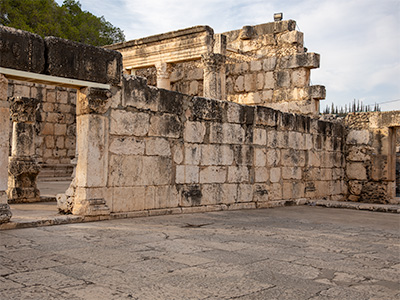
White Synagogue – Main Entrance. The impressive limestone façade of Capernaum's fourth- or fifth-century synagogue, built over the remains of the earlier synagogue where Jesus taught.

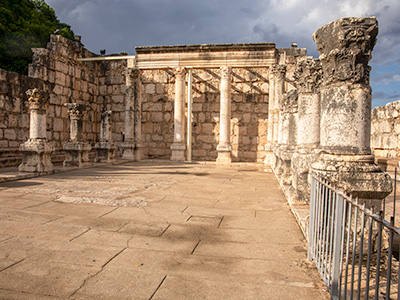
Capernaum White Synagogue

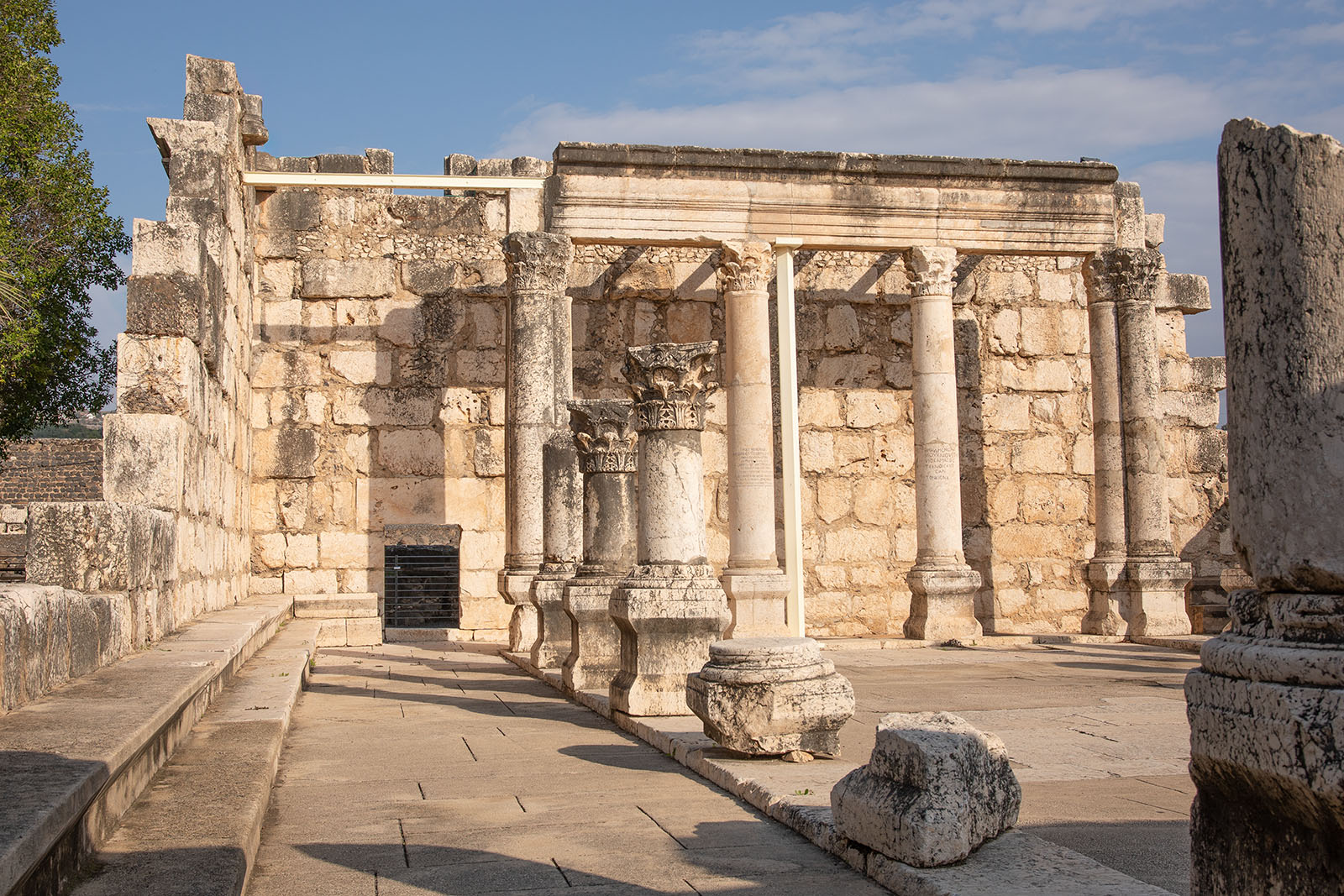
Interior of the White Synagogue. The spacious courtyard and colonnaded entrance of the White Synagogue, one of the best-preserved synagogue ruins in Israel.

Capernaum White Synagogue

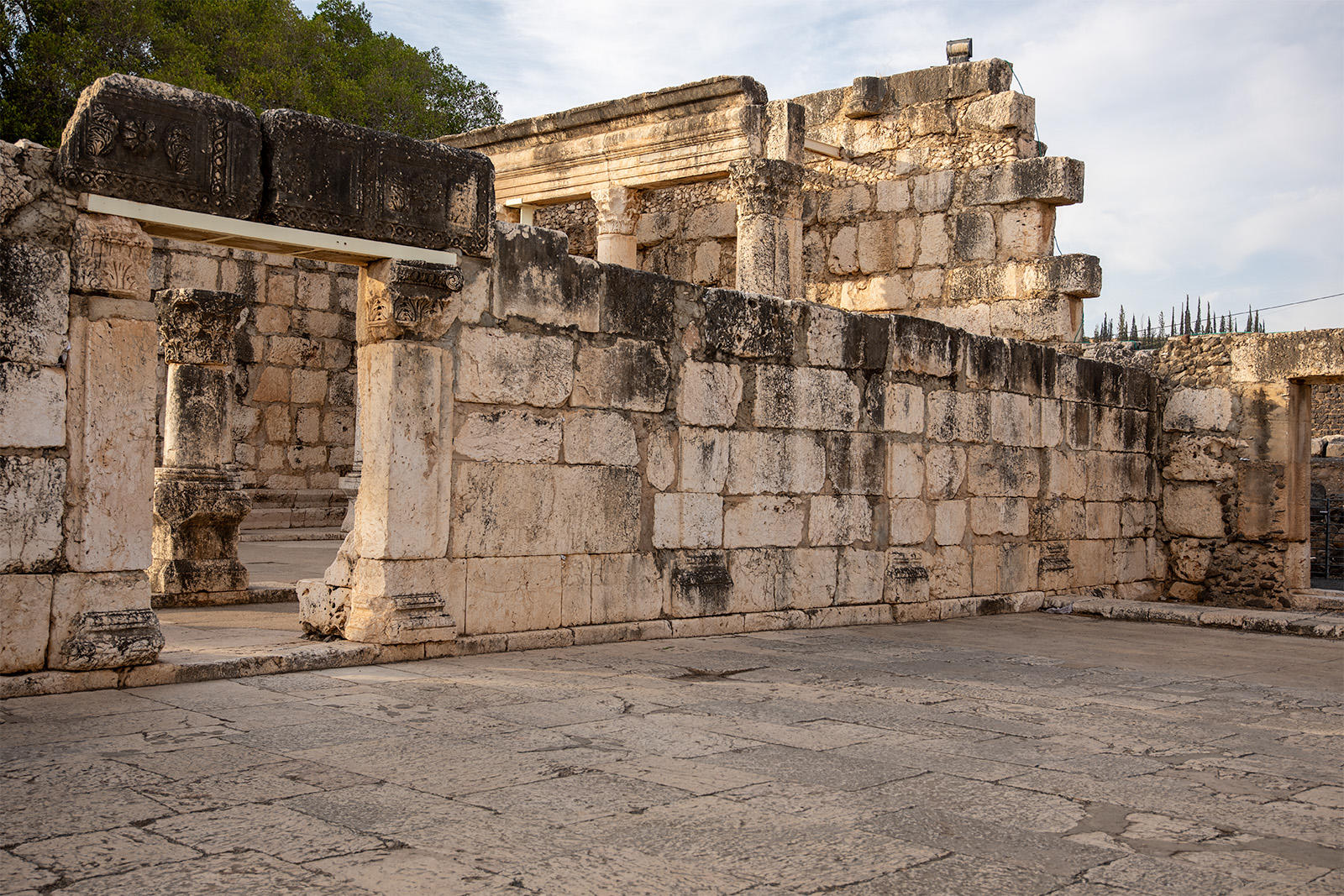
East Side of the White Synagogue. A side view of the synagogue highlighting its massive limestone construction and elevated foundation above the earlier first-century remains.

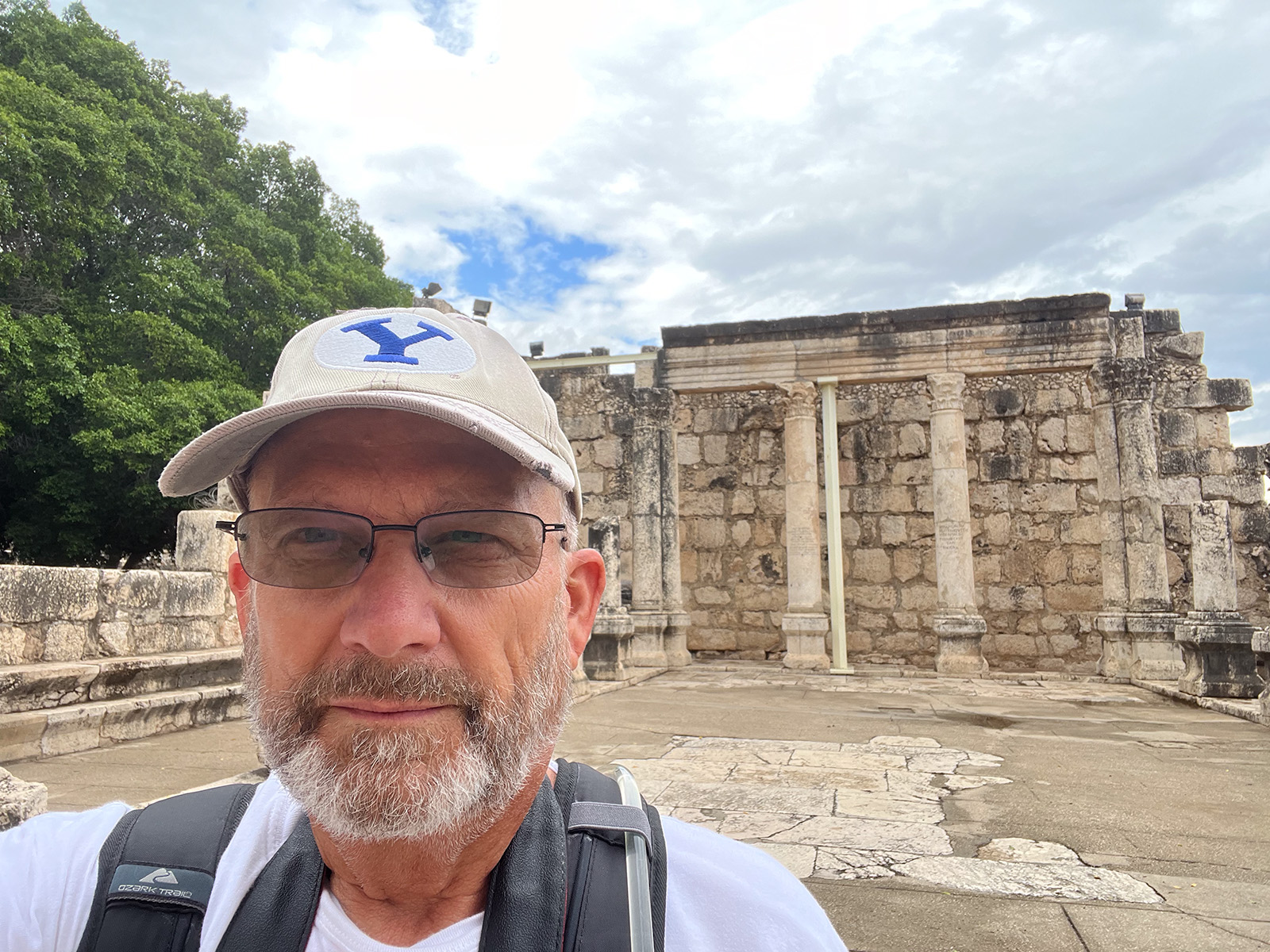
Author - Dan Noorlander

At the White Synagogue. The author standing before the ancient synagogue at Capernaum, where Jesus frequently taught during His Galilean ministry.

Western Capernaum

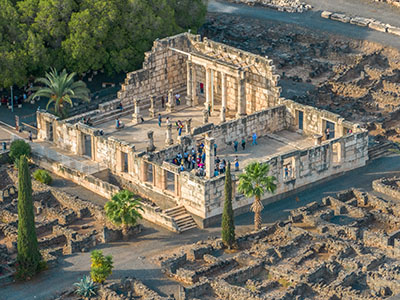
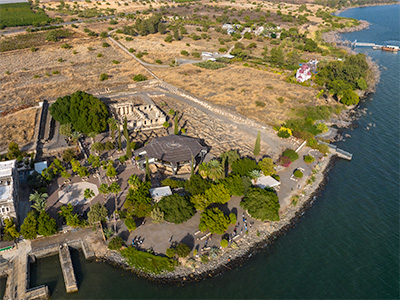
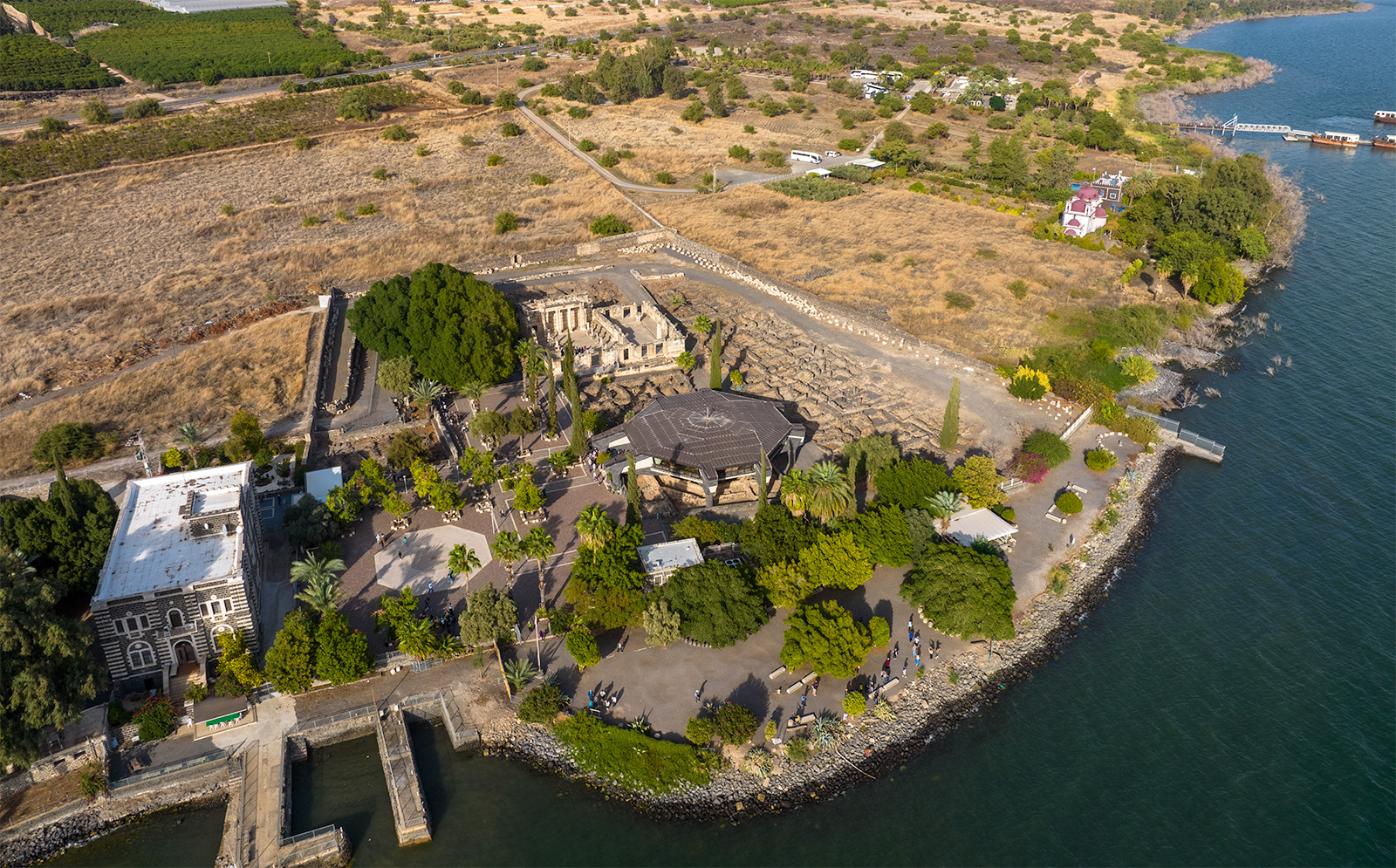
Aerial View of Western Capernaum. A drone view of the White Synagogue and Greek Orthodox Church of the Seven Apostles along the northeastern shoreline of ancient Capernaum.

Western Capernaum

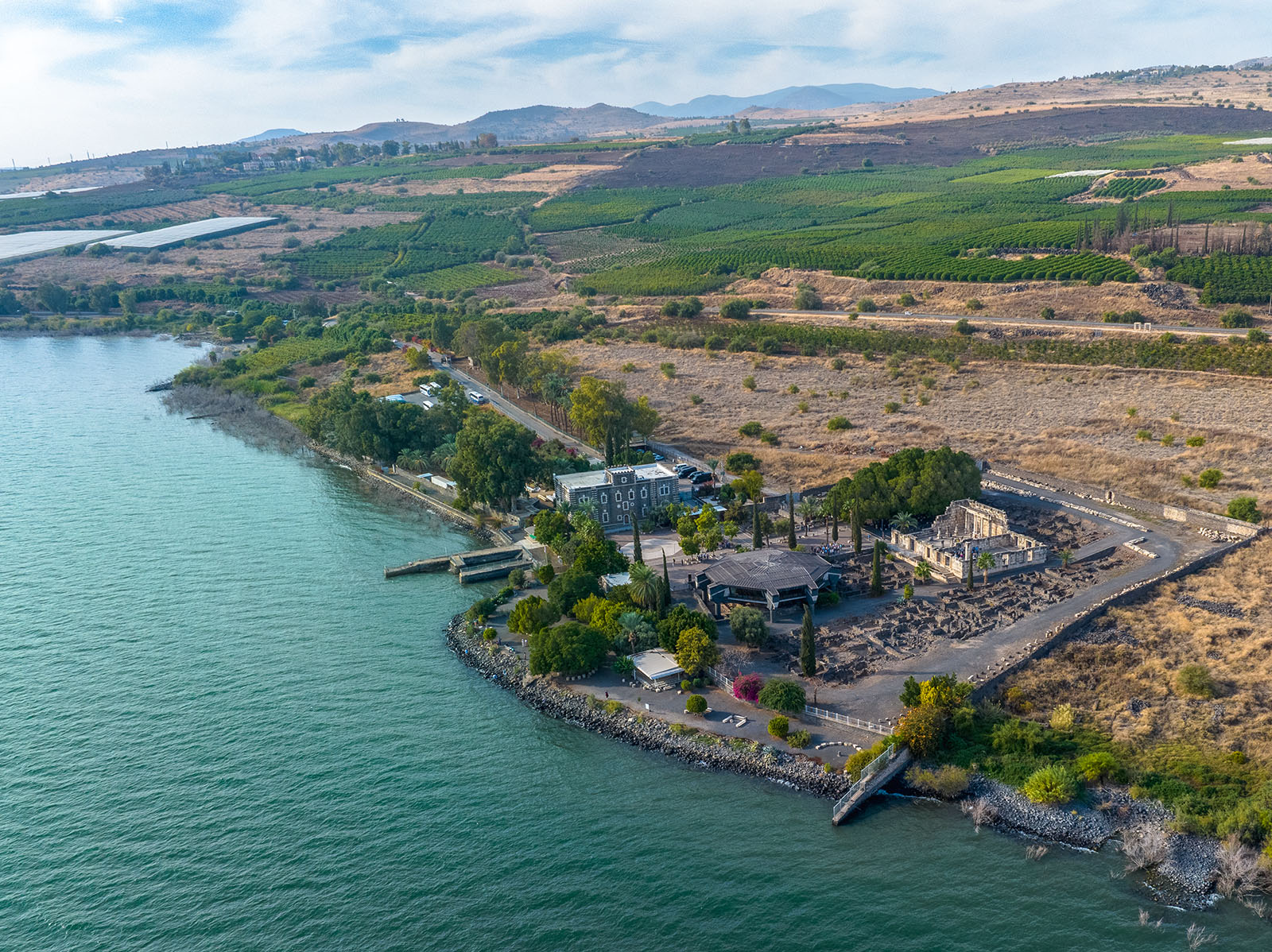
Capernaum from the Sea of Galilee. An aerial perspective showing the shoreline of Capernaum, the Sea of Galilee, and the surrounding landscape that formed the backdrop of Jesus' ministry.

Capernaum - White Synagogue

Aerial View of the White Synagogue. An elevated view revealing the impressive scale of the White Synagogue within the excavated remains of ancient Capernaum.

Western Capernaum

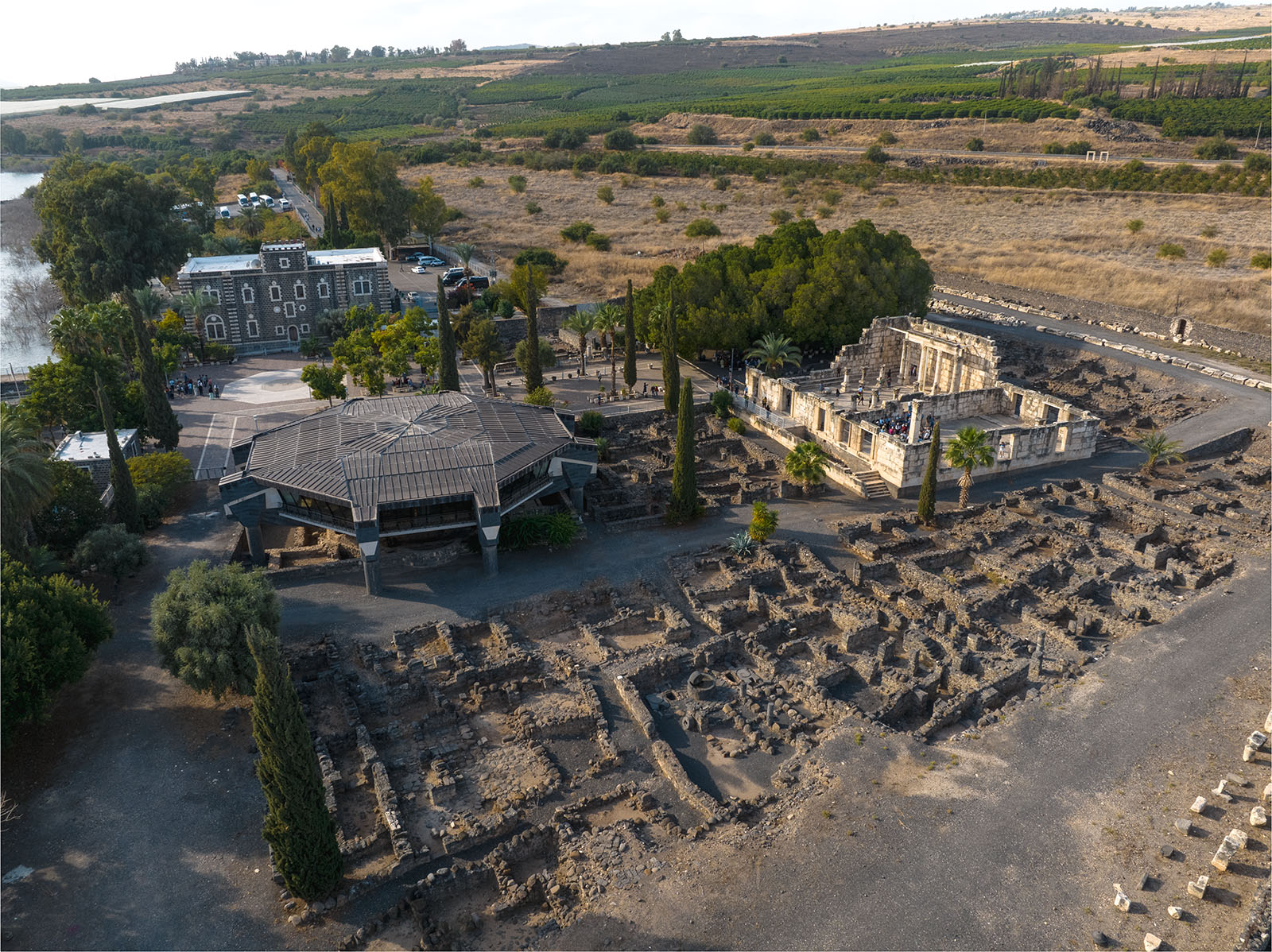
The Heart of Ancient Capernaum. Aerial view of the excavated residential quarter, the Memorial Church, and the White Synagogue at the center of the ancient town.

Western Capernaum shore

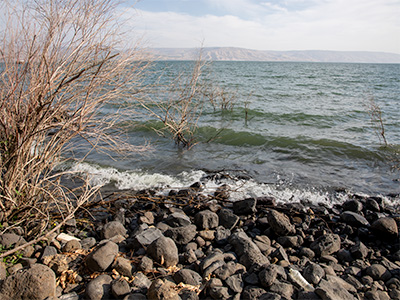
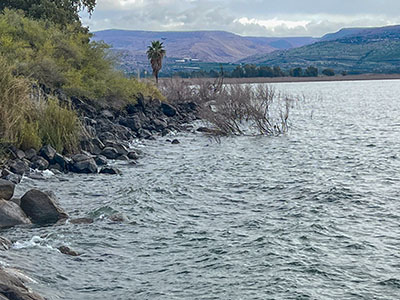
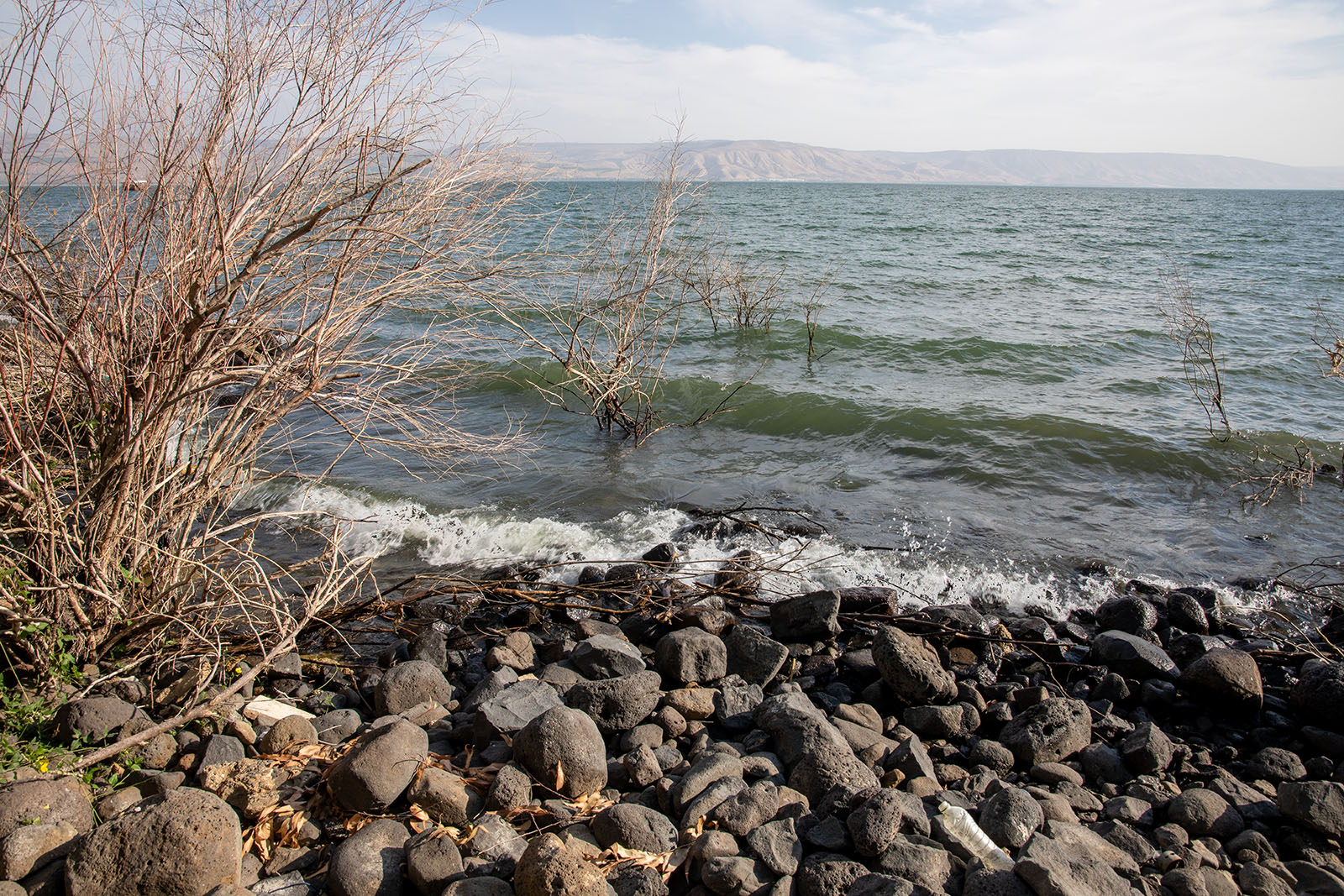
Shoreline at Capernaum. The rocky shore of the Sea of Galilee, where Jesus often taught the crowds and called His disciples to follow Him.
First Centurn Capernaum foundation

First-century Foundations Beneath the Synagogue. Basalt foundations beneath the White Synagogue preserve portions of the earlier first-century synagogue traditionally associated with the ministry of Jesus.

Ark of the Covenant carving

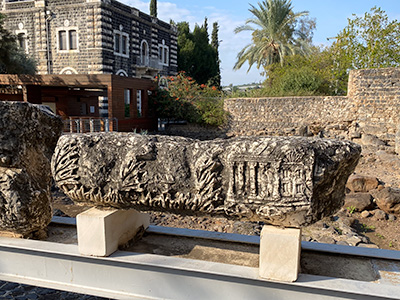
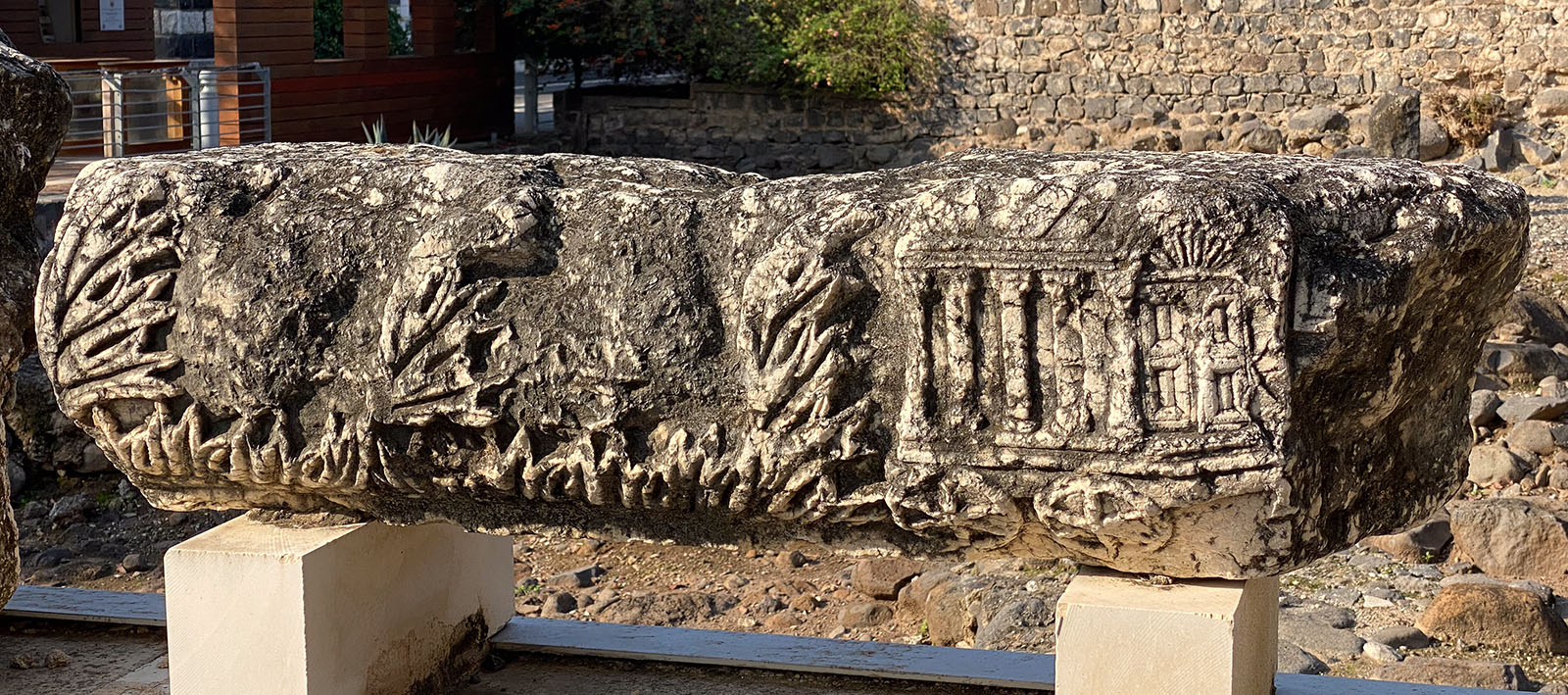
Decorated Synagogue Frieze. A beautifully carved limestone frieze from the White Synagogue displaying the rich decorative artistry of late Roman Galilee.

Capernaum Memorial Church

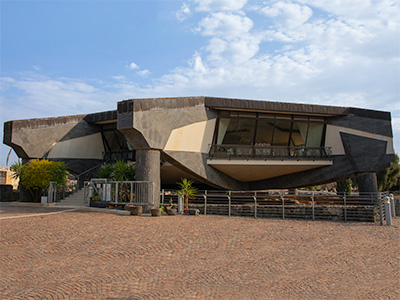
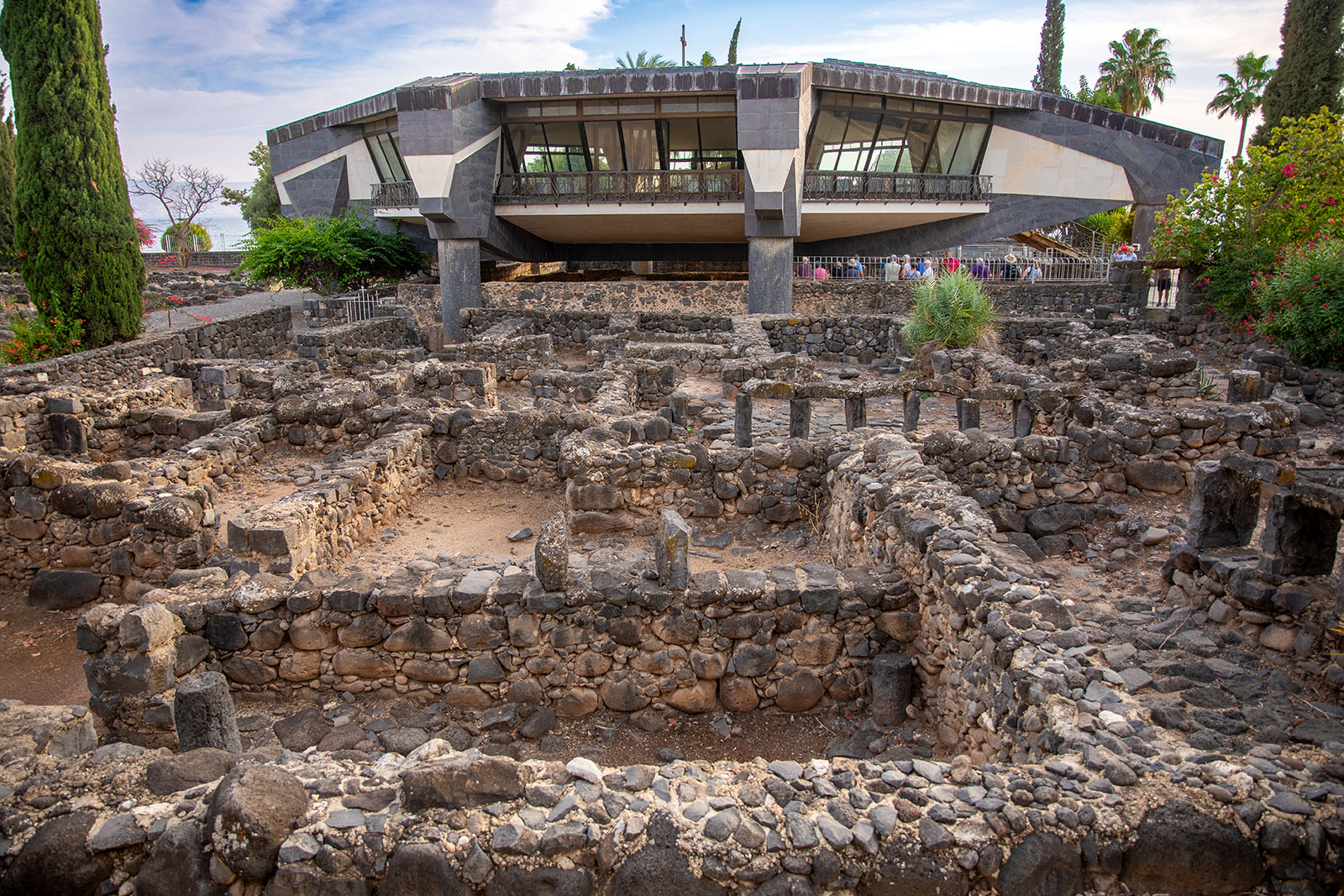
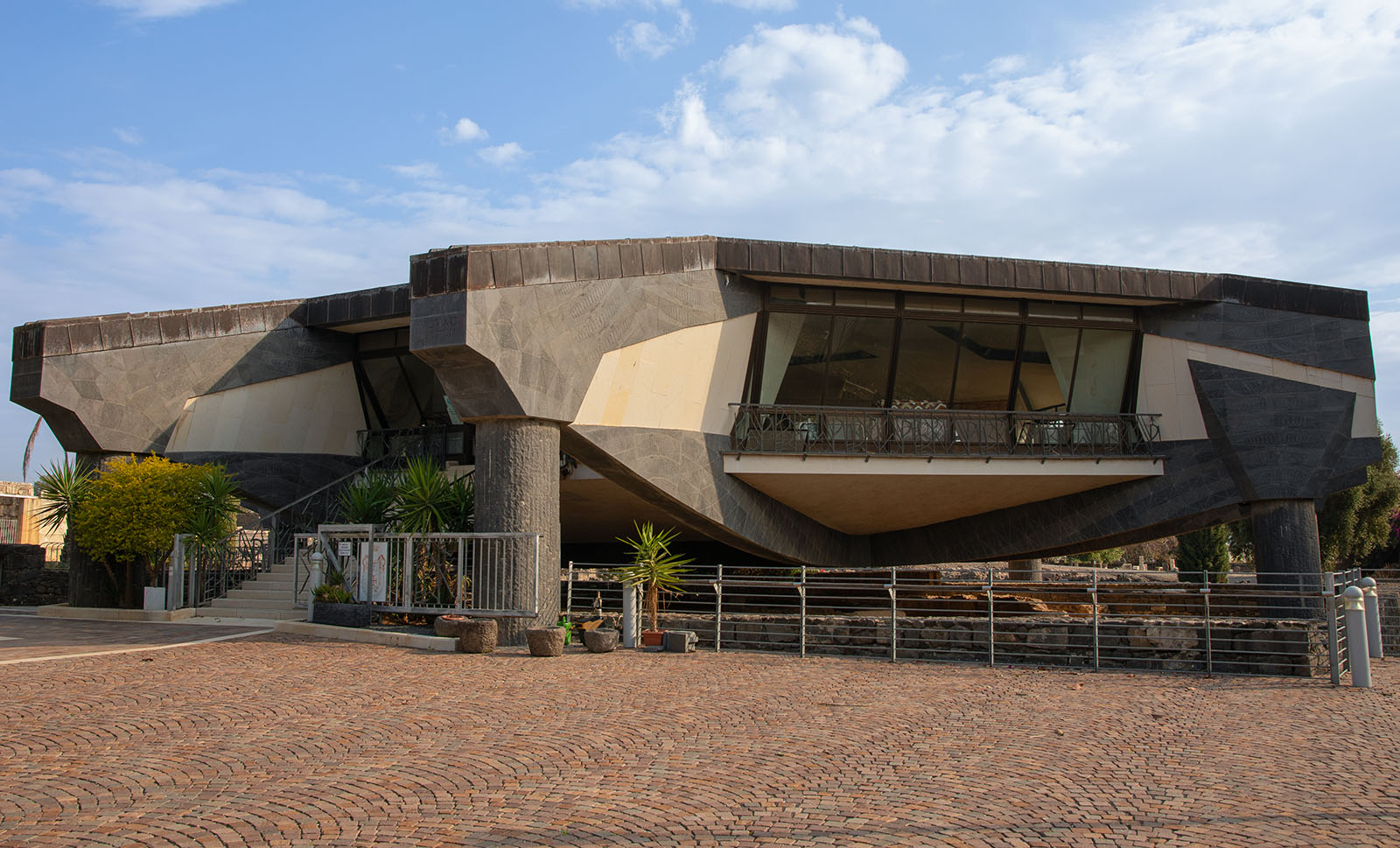
Memorial Church over Peter's House. The modern Memorial Church stands above the excavated remains traditionally identified as the house of the Apostle Peter.

Greek Orthodox Church of the Seven Apostles

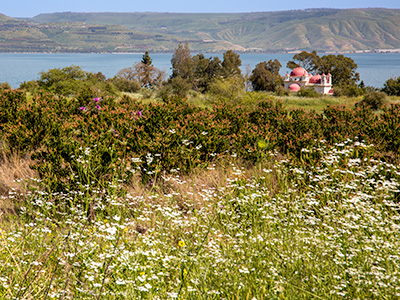
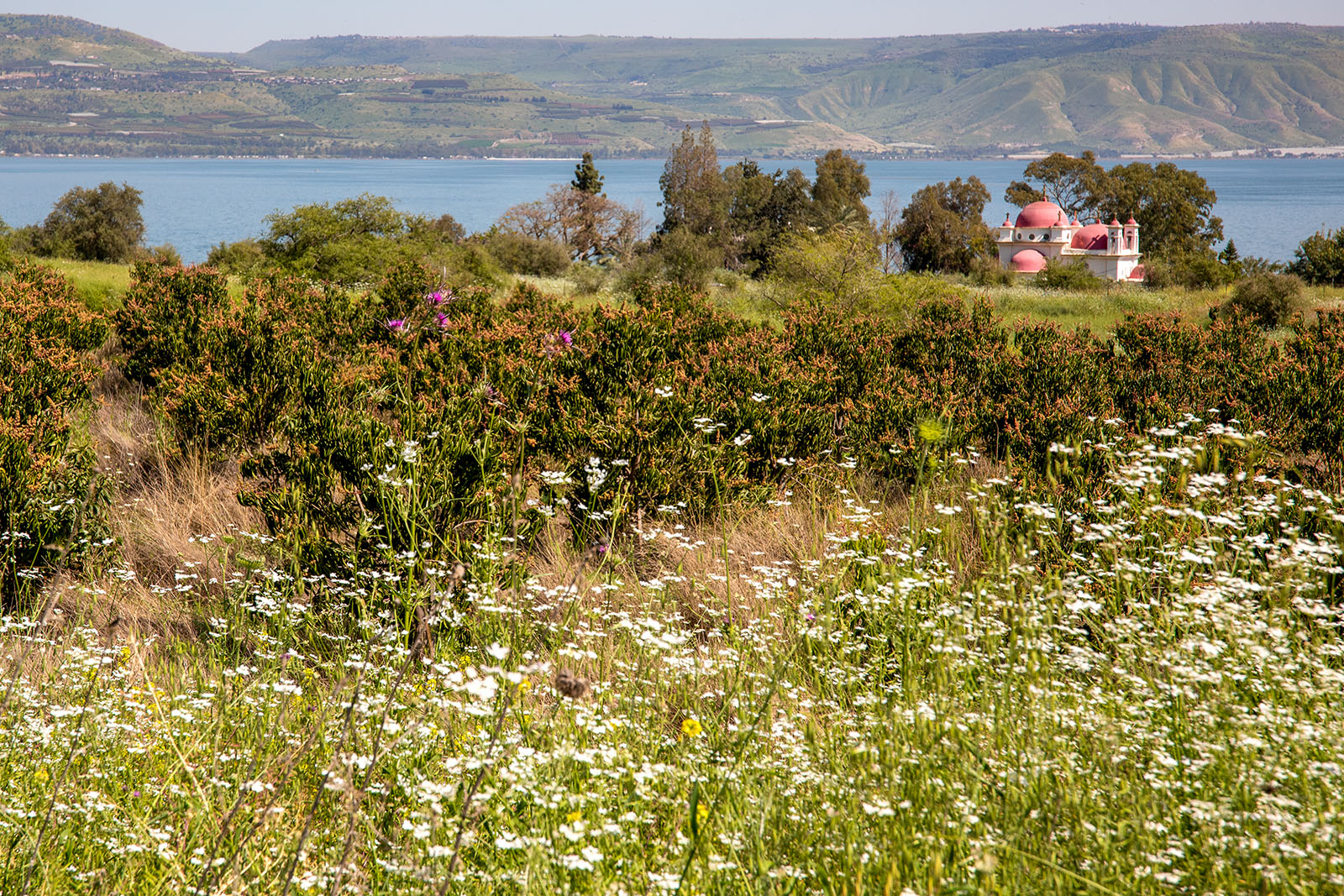
Wildflowers at Capernaum. Spring wildflowers bloom near the Church of the Seven Apostles, adding beauty to one of the Sea of Galilee's most peaceful settings.

Greek Orthodox Church of the Seven Apostles

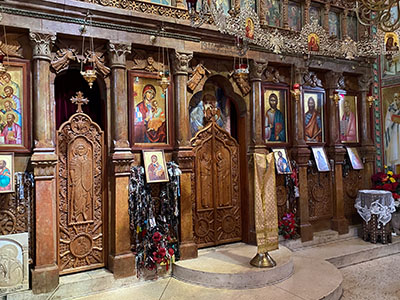
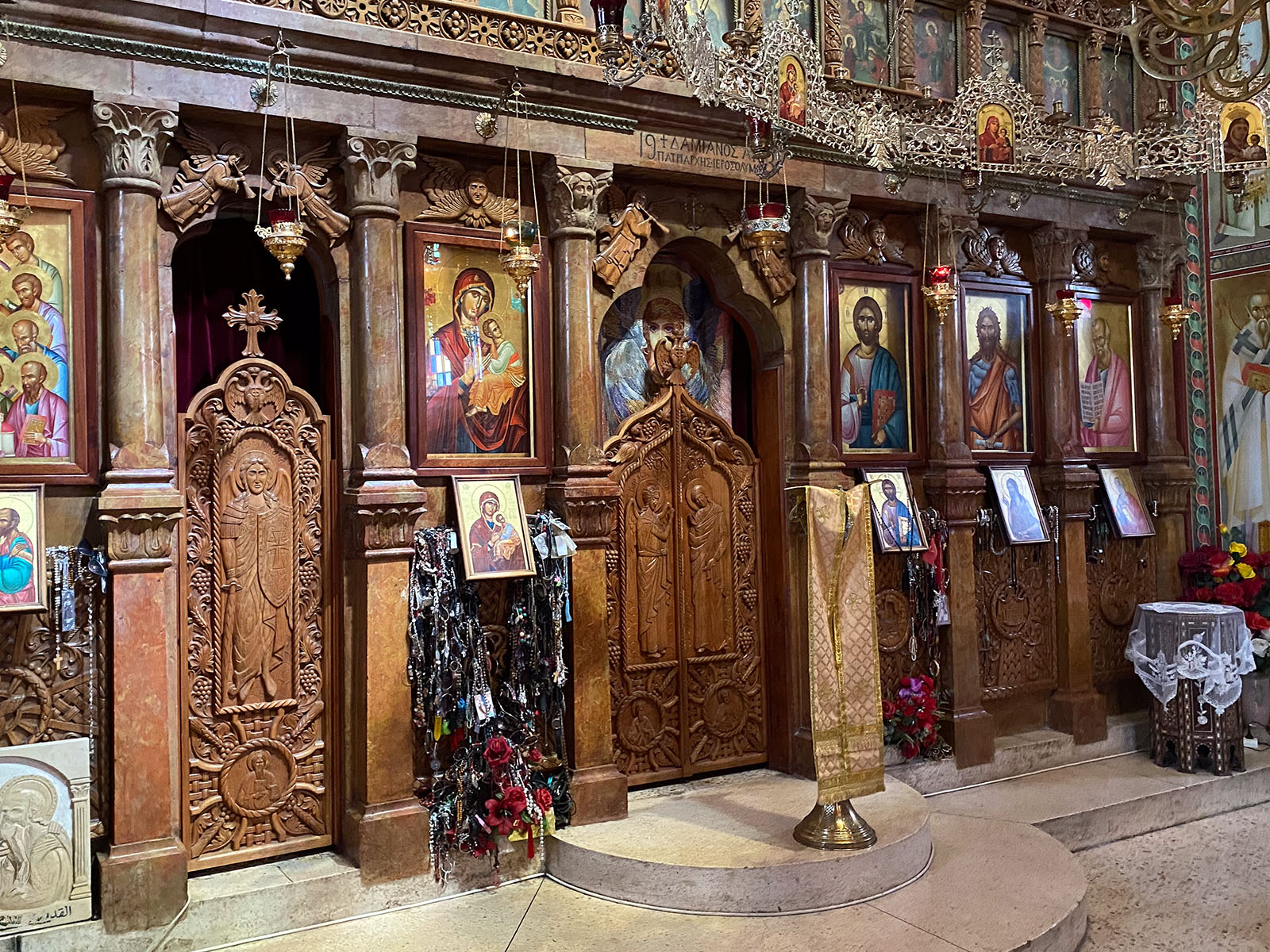
Iconostasis of the Seven Apostles Church. The beautifully carved iconostasis separates the sanctuary from the nave in the Greek Orthodox Church of the Seven Apostles.

Capernaum Memorial Church

Memorial Church over Peter's House. The modern Memorial Church, built above the excavated remains traditionally identified as the home of the Apostle Peter.

Capernaum - Peter's House Plan

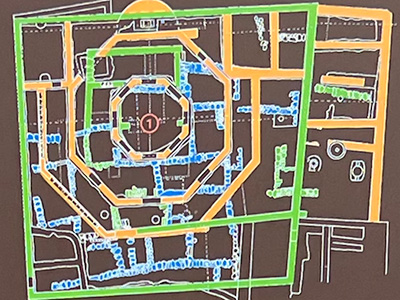
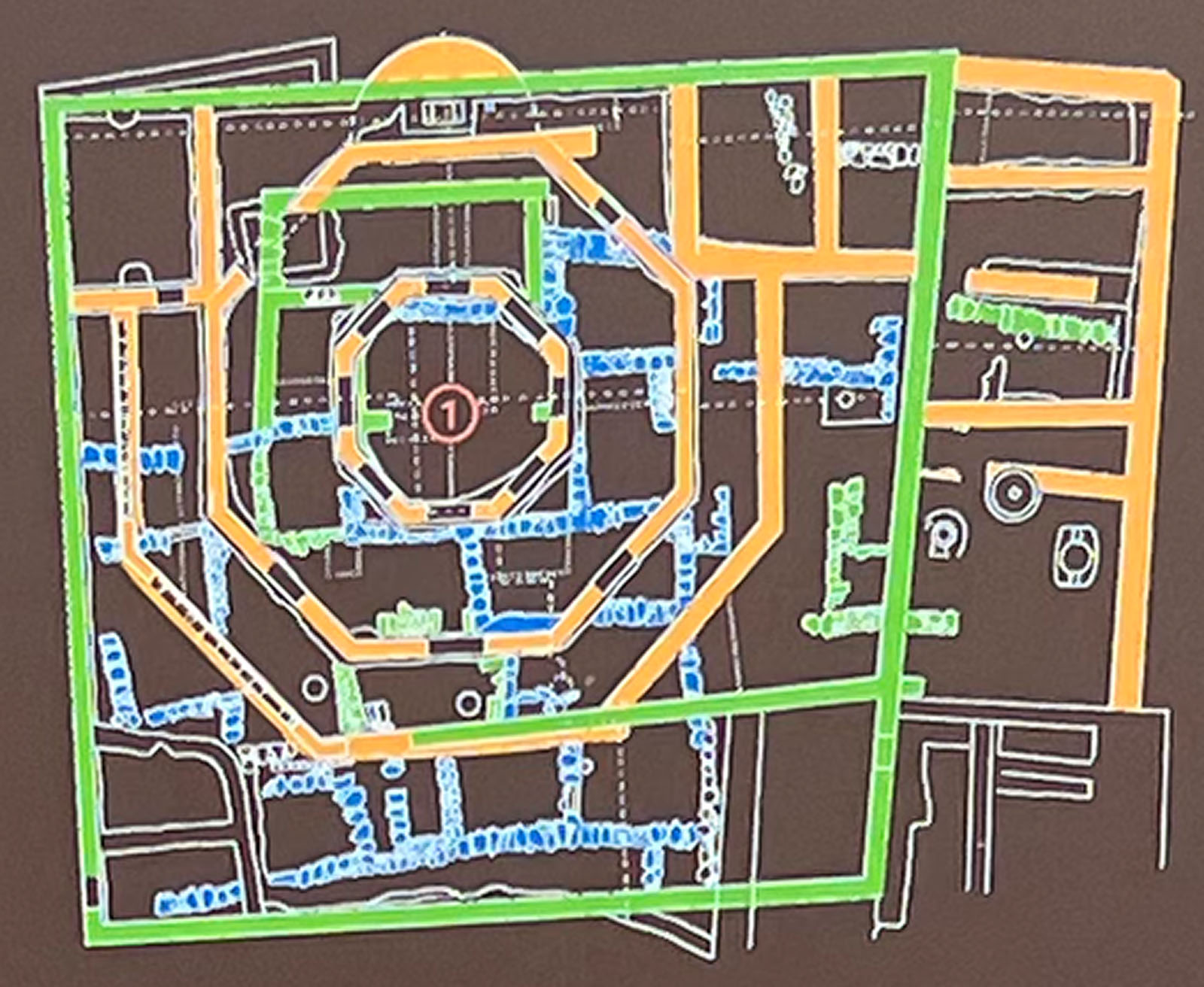
How Capernaum Changed Through Time. A site diagram illustrating the successive occupation levels at Capernaum, from Peter's first-century house to the Byzantine octagonal church and the modern Memorial Church.

Capernaum - Byzantine Church

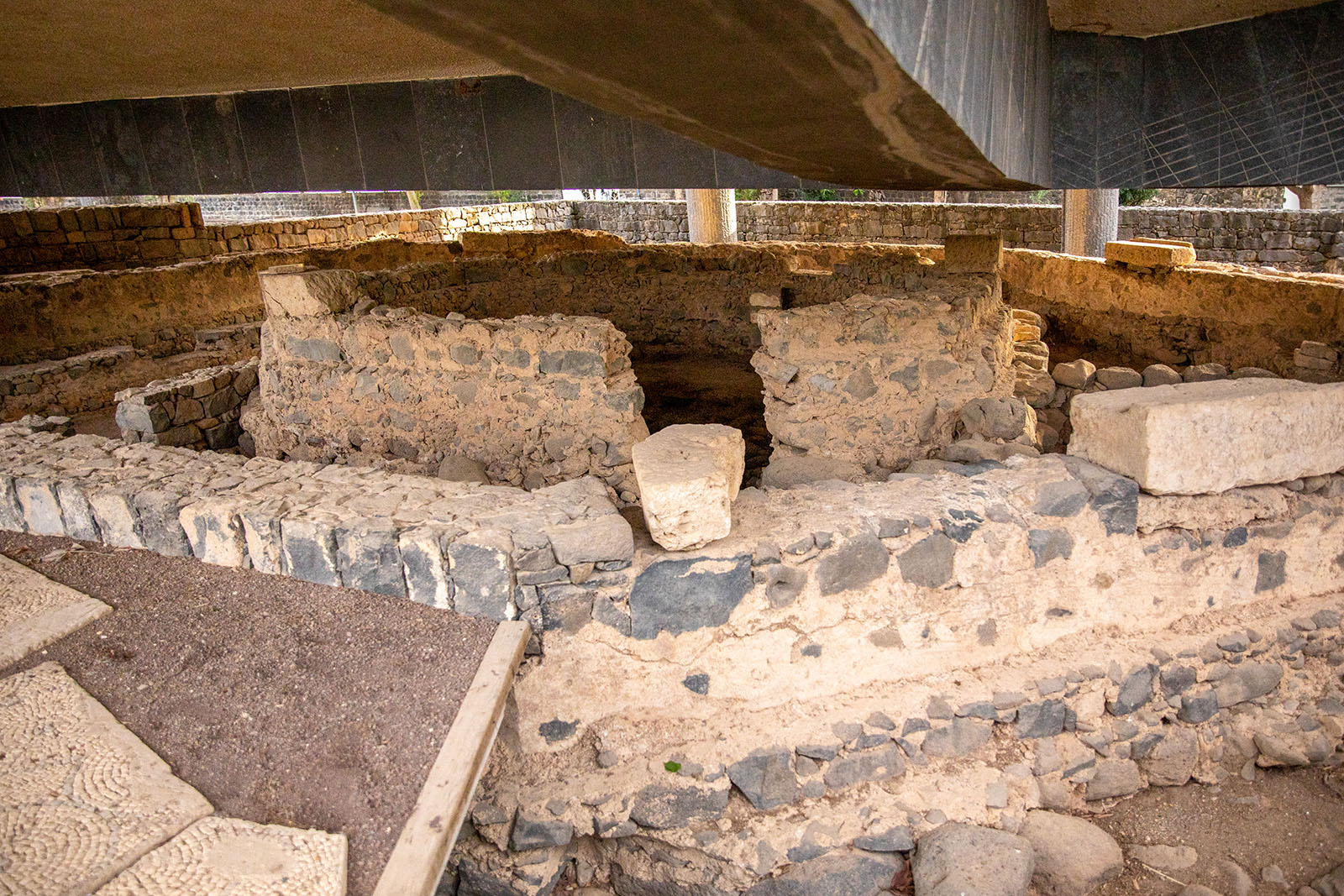
Peter’s House Excavations. The remains beneath the Memorial Church preserve the earliest house church known in the Holy Land, traditionally identified as the home of the Apostle Peter.

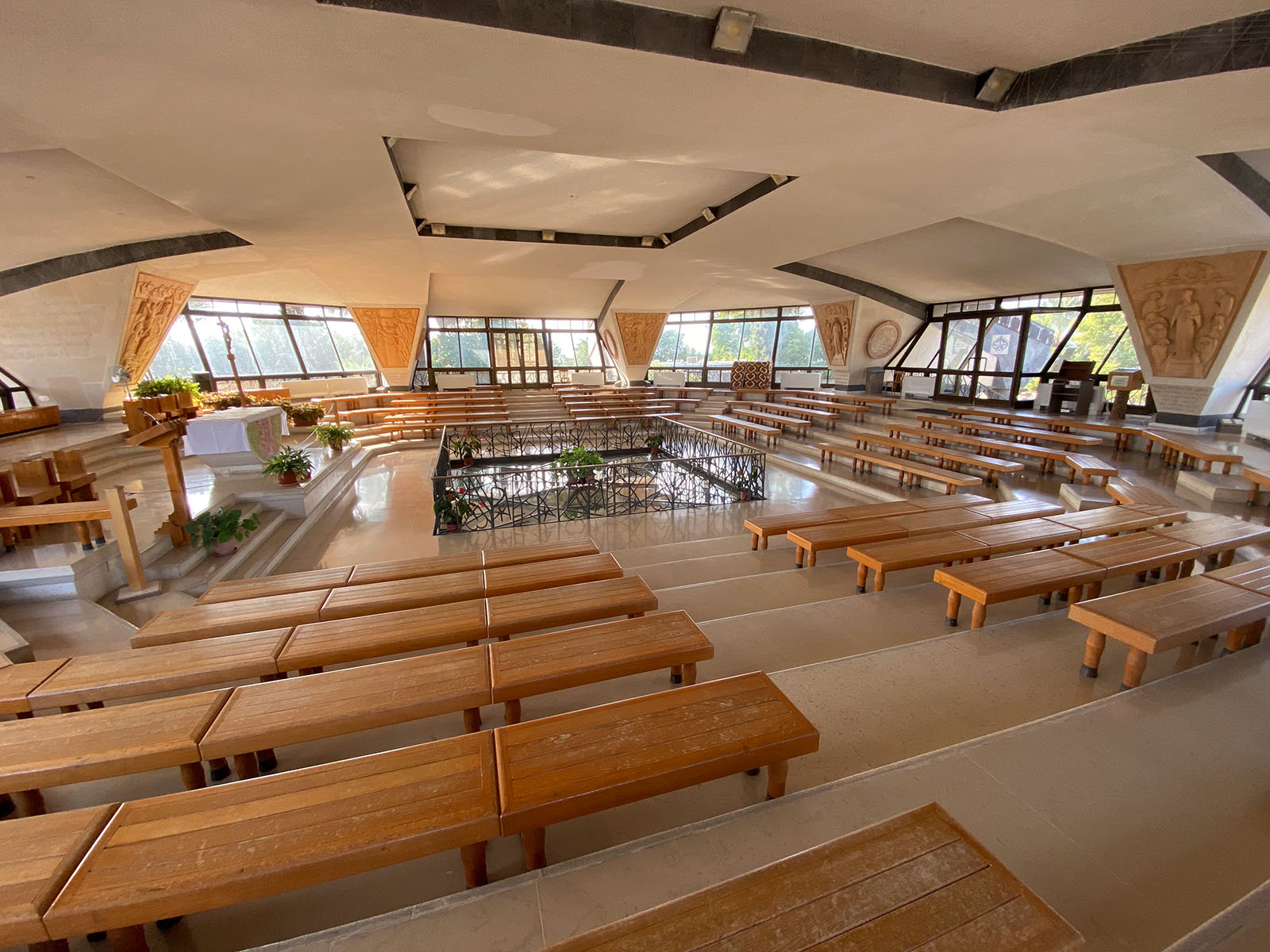
Capernaum - Memorial Church

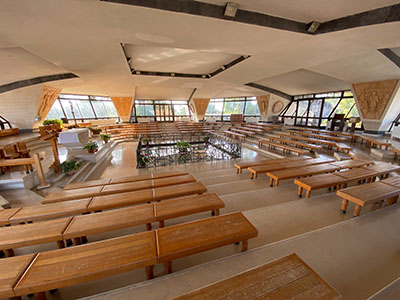
Interior of the Memorial Church. The spacious interior of the Memorial Church allows visitors to gather in worship while overlooking the archaeological remains below.

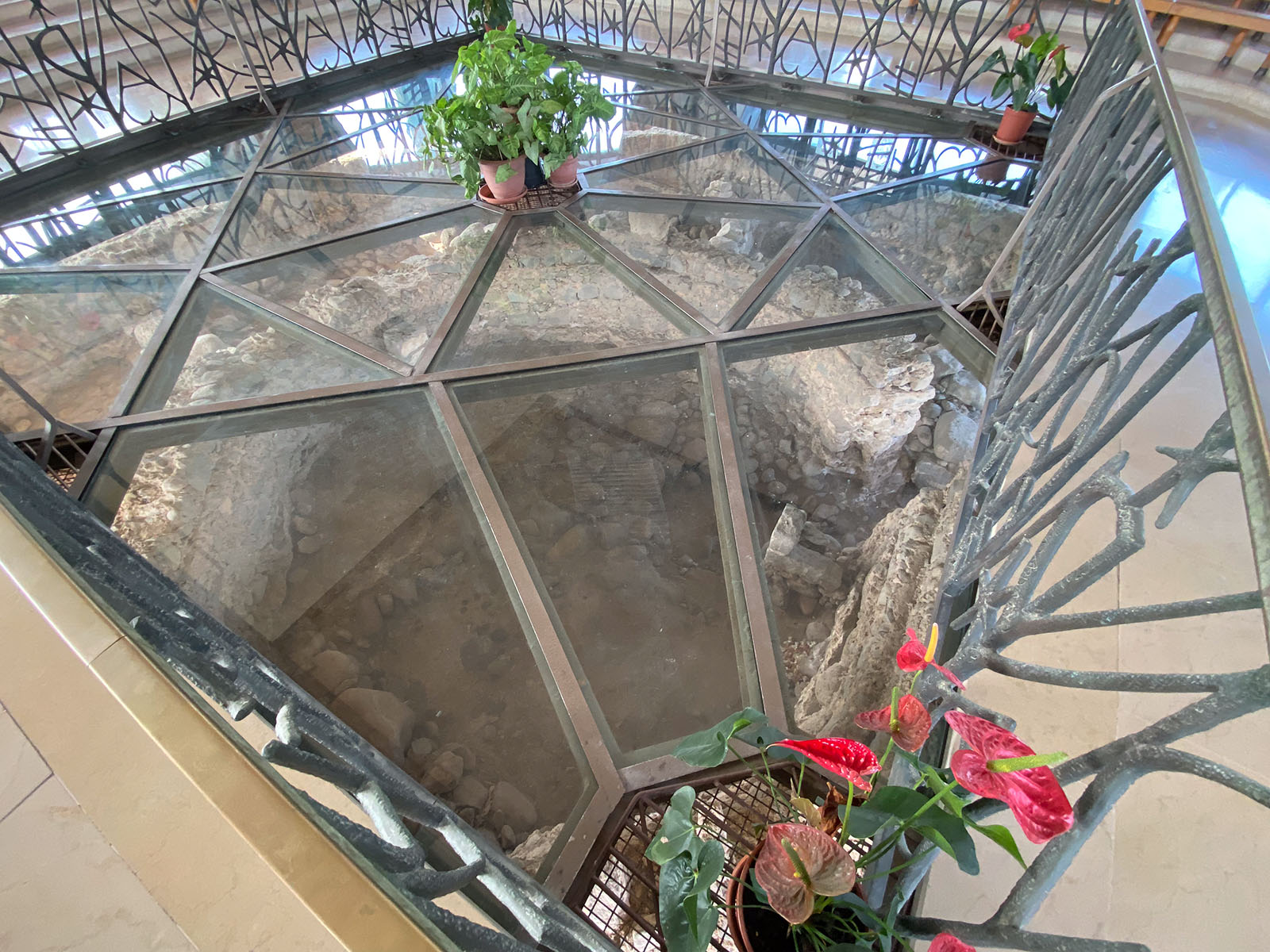
Capernaum - Peter's House

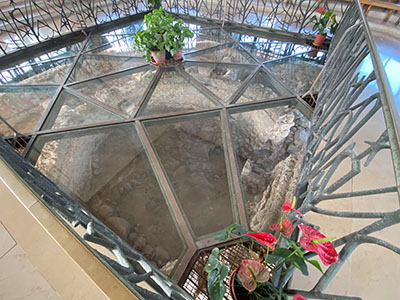
Octagonal Byzantine Church. Looking through the glass floor of the Memorial Church to the foundations of the fifth-century Byzantine octagonal church built to honor Peter's house.

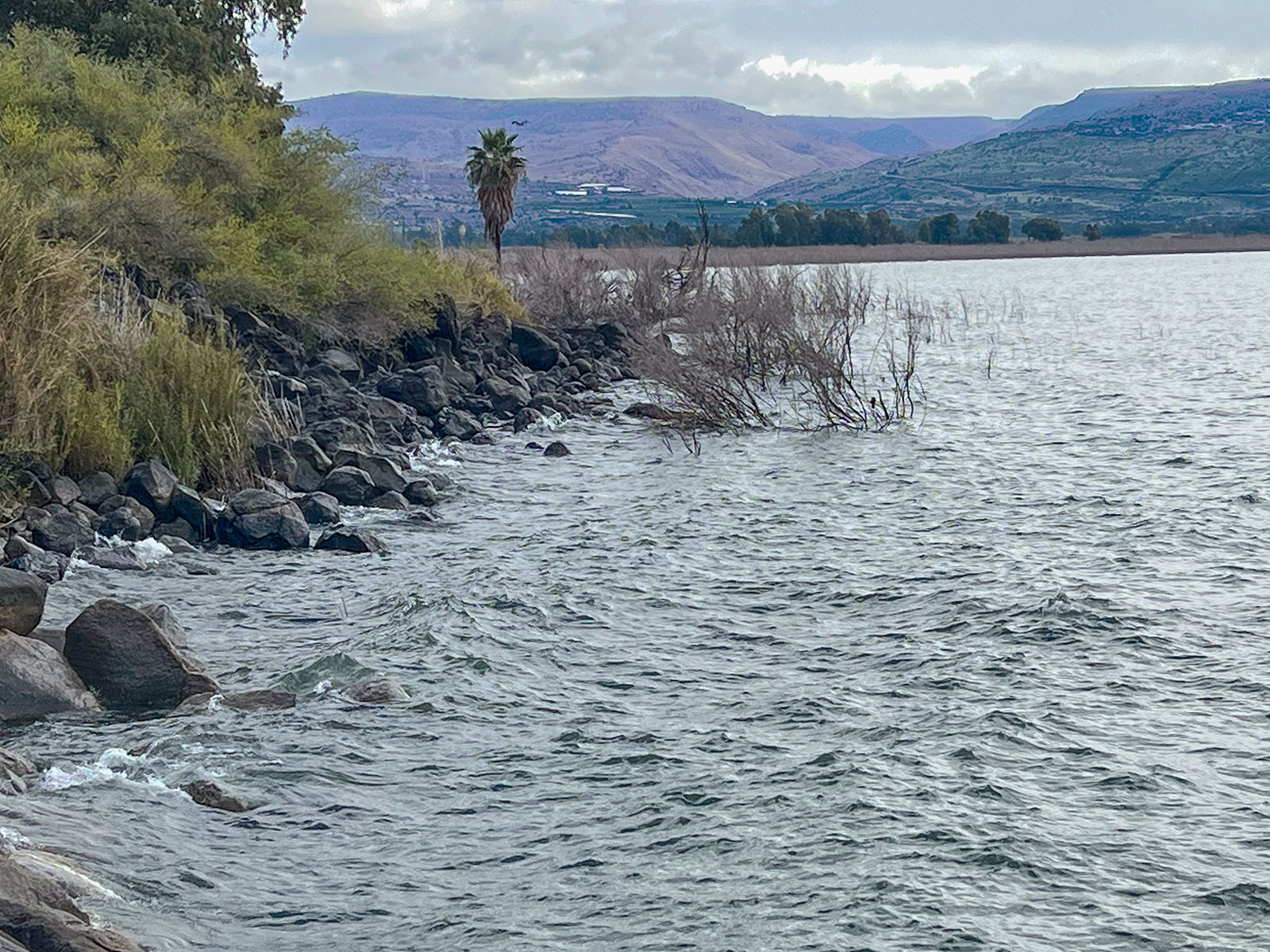
Capernaum - Shoreline

Shoreline near the Seven Apostles Church. The peaceful shoreline east of ancient Capernaum offers a quiet place to reflect beside the Sea of Galilee.

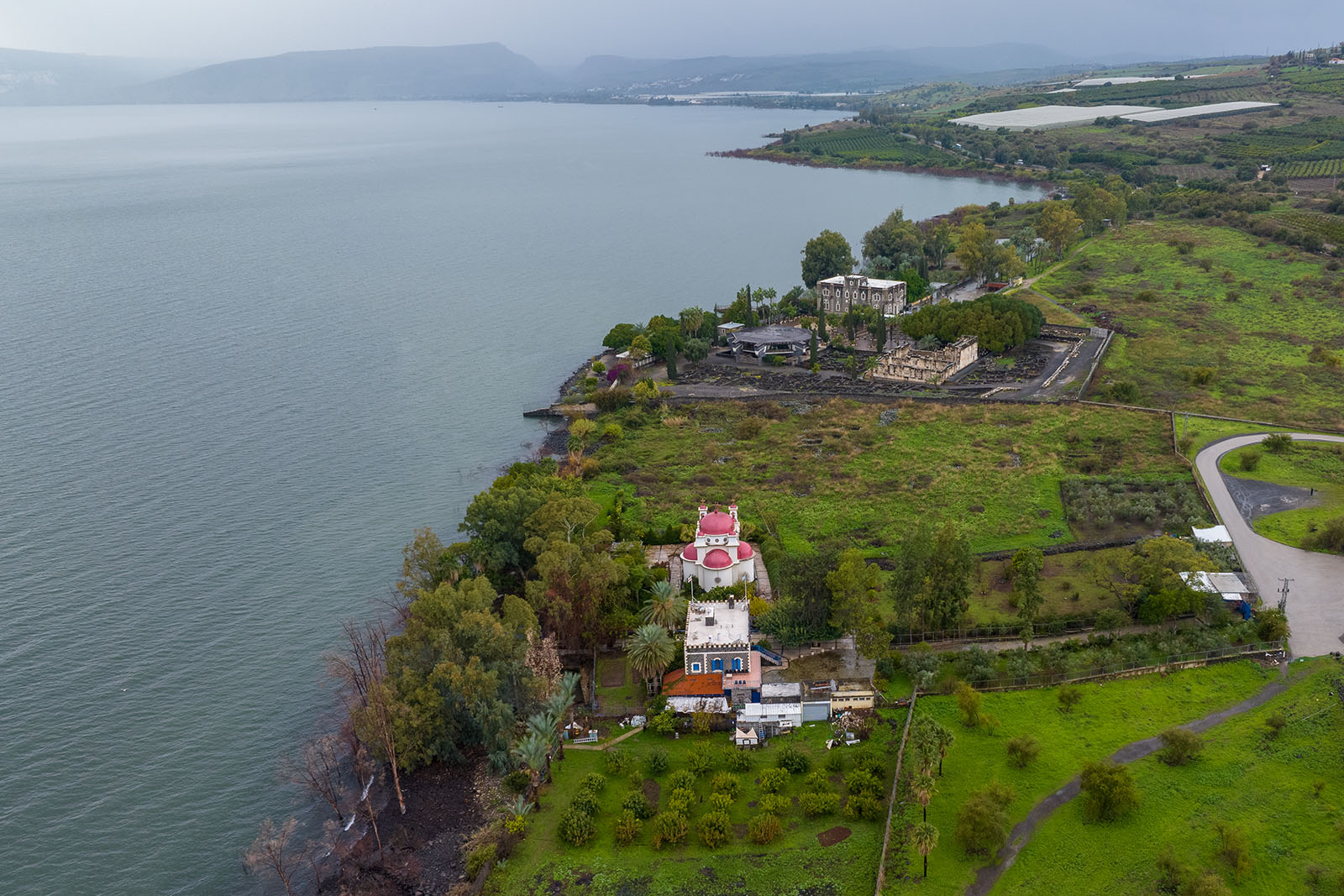
Eastern and Western Capernaum

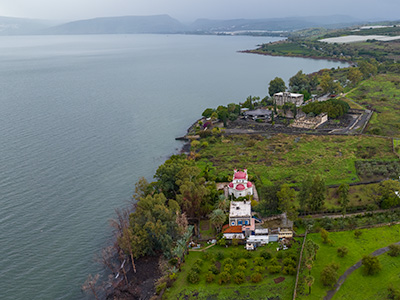
Eastern Capernaum from Above. An aerial view of eastern Capernaum showing the Greek Orthodox Church of the Seven Apostles and the surrounding shoreline.

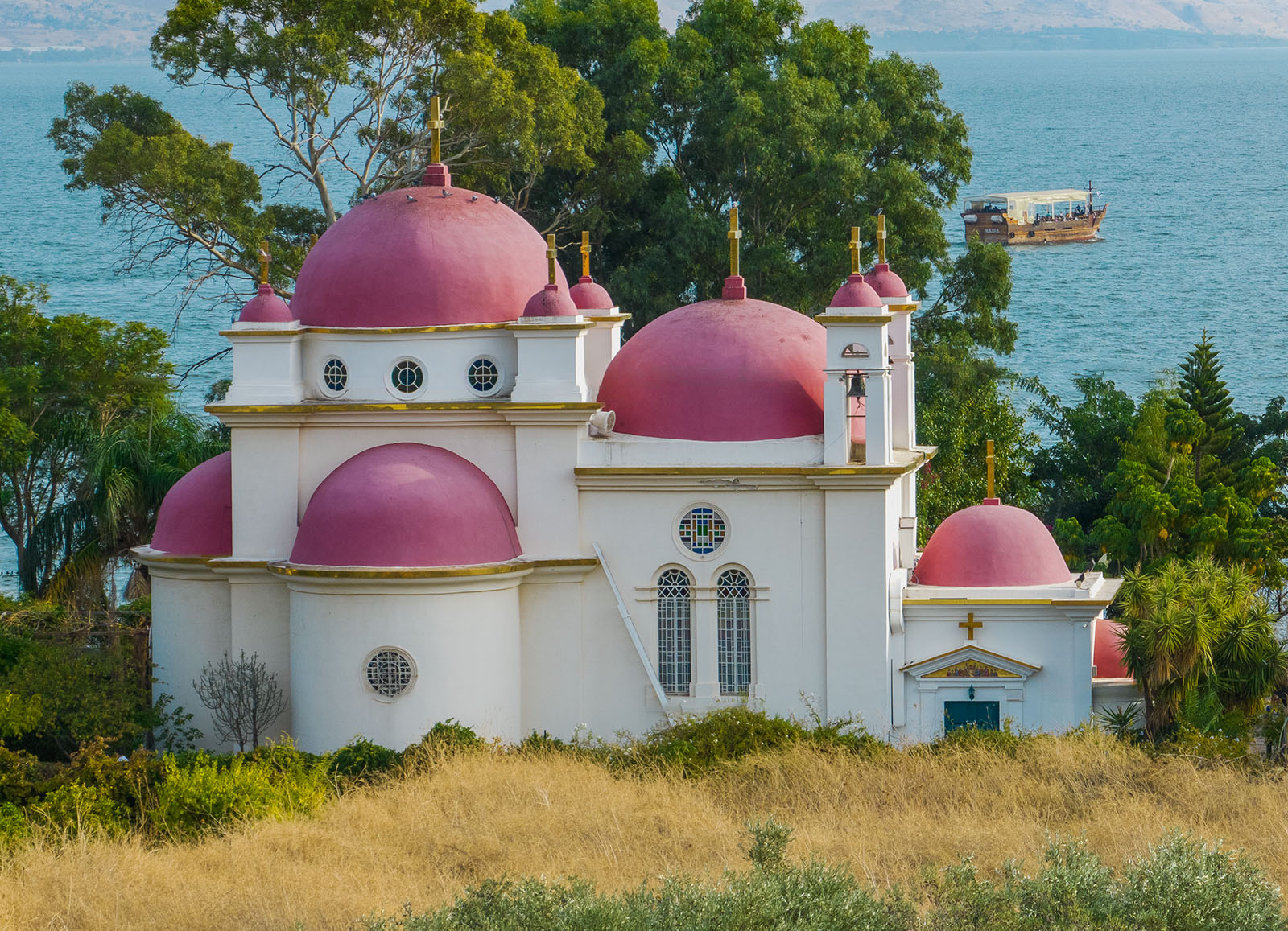
Greek Orthodox Church of the Seven Apostles

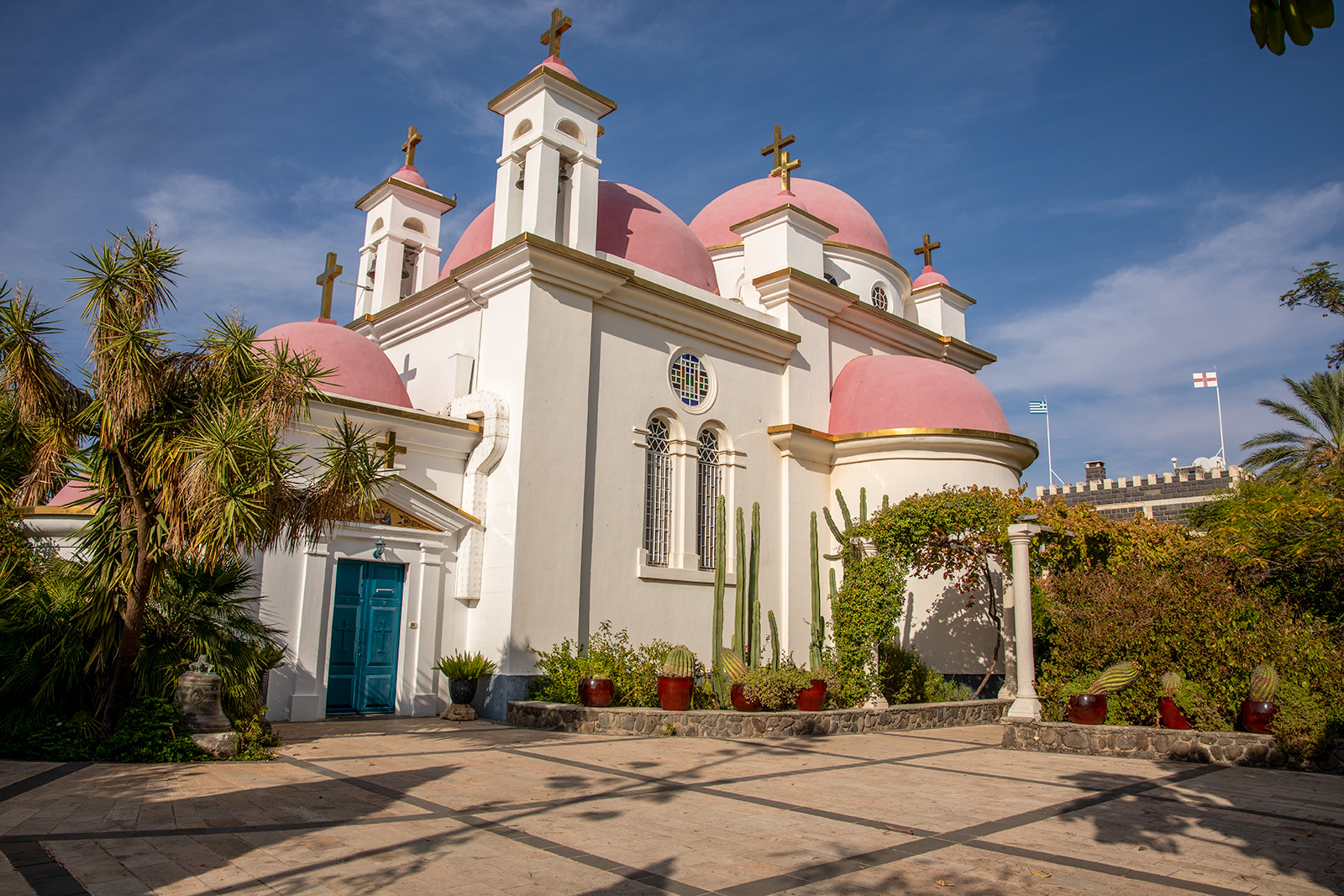
Church of the Seven Apostles. The Greek Orthodox Church of the Seven Apostles stands on the northeastern edge of ancient Capernaum near the shores of the Sea of Galilee.

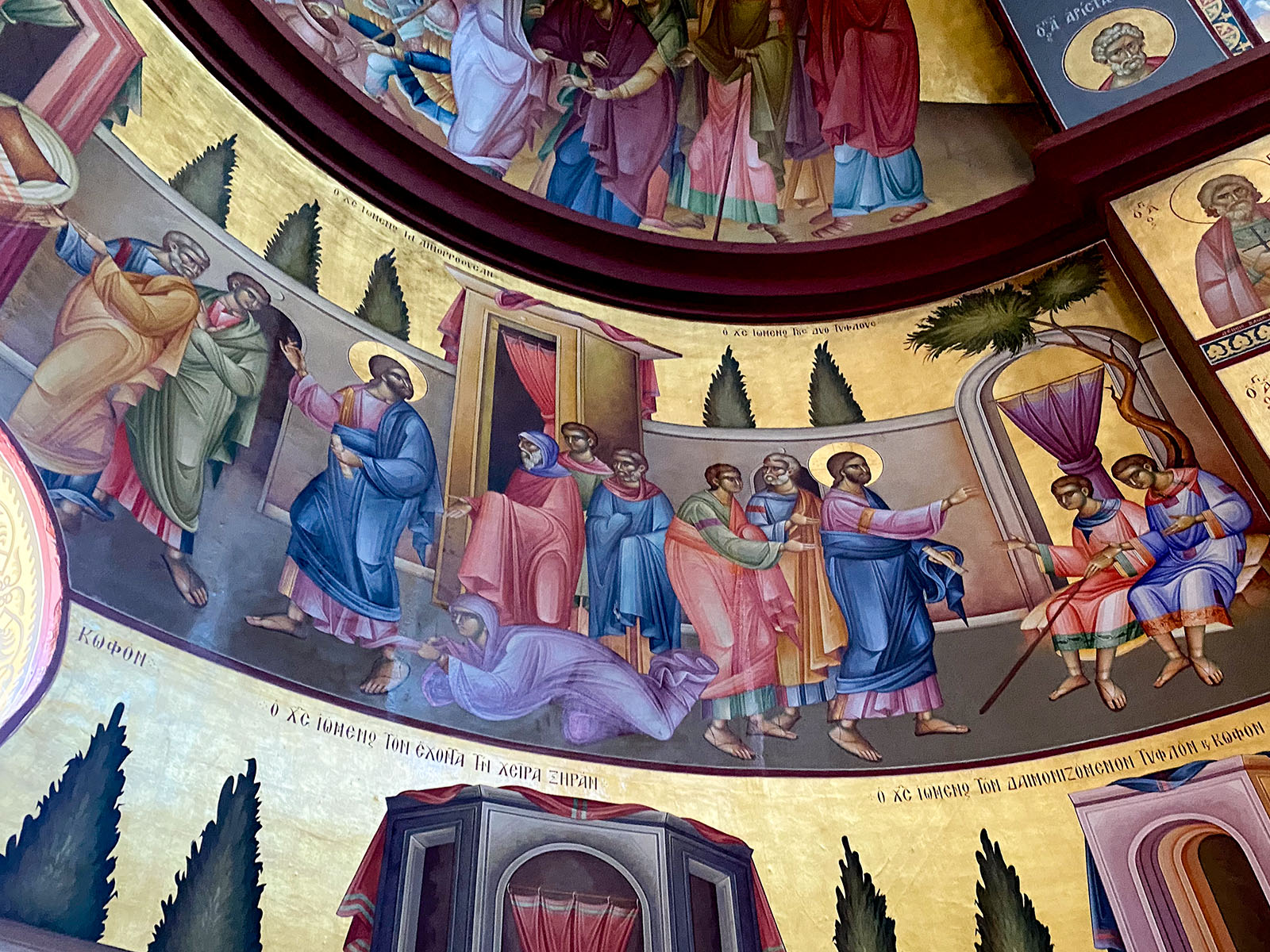
Greek Orthodox Church of the Seven Apostles

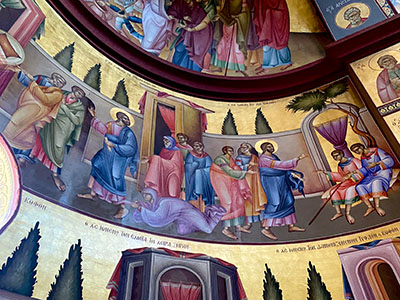
Frescoes of the Seven Apostles Church. Colorful Byzantine-style frescoes depicting scenes from the New Testament adorn the interior of the Church of the Seven Apostles.

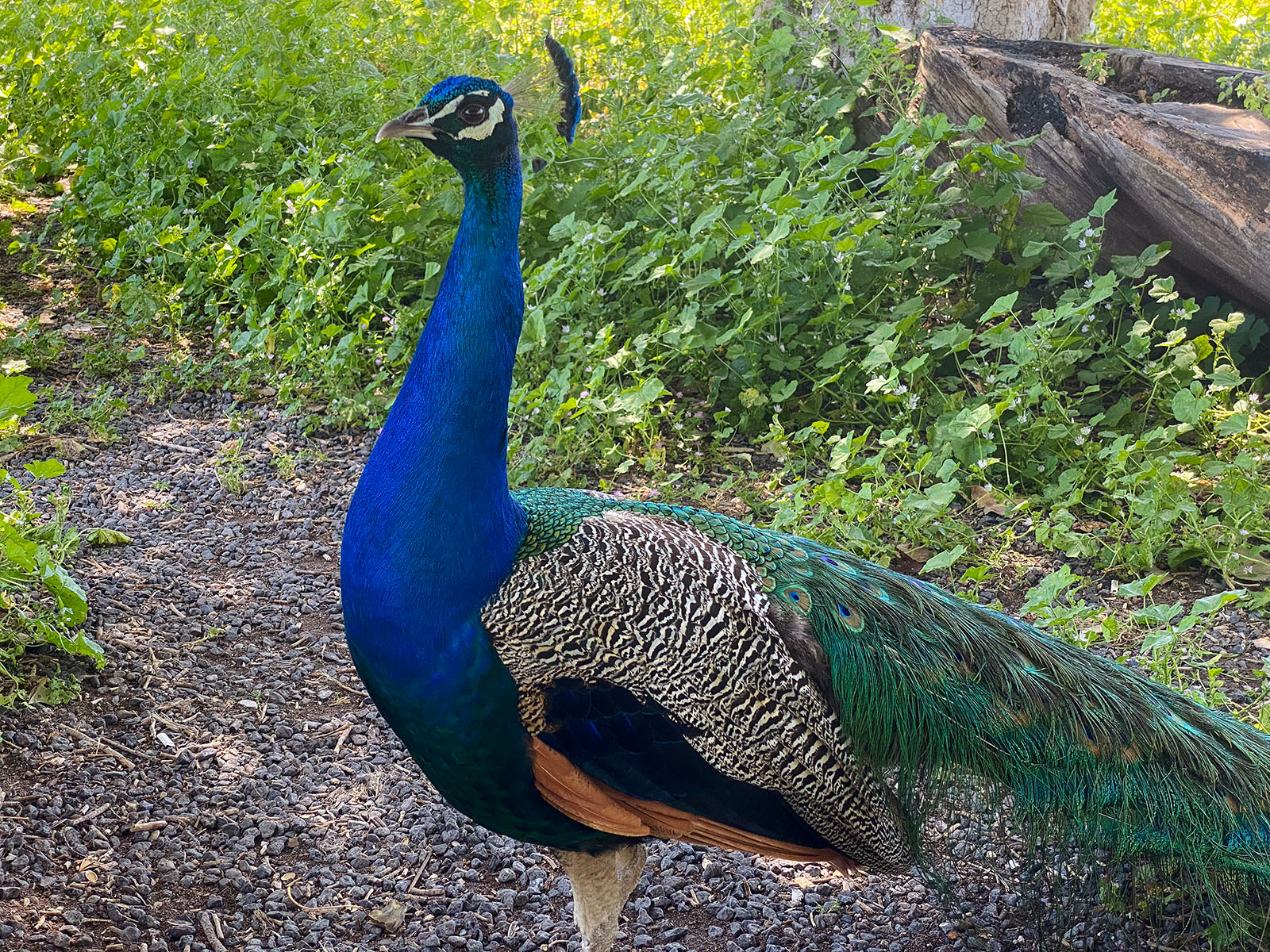
Eastern Capernaum - Peacock

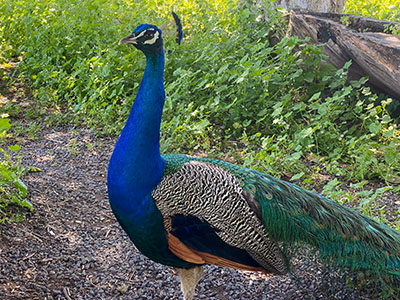
Peacock on the Church Grounds. A peacock strolls through the tranquil gardens of the Church of the Seven Apostles, reflecting the peaceful atmosphere that invites visitors to pause and contemplate the ministry of Jesus.

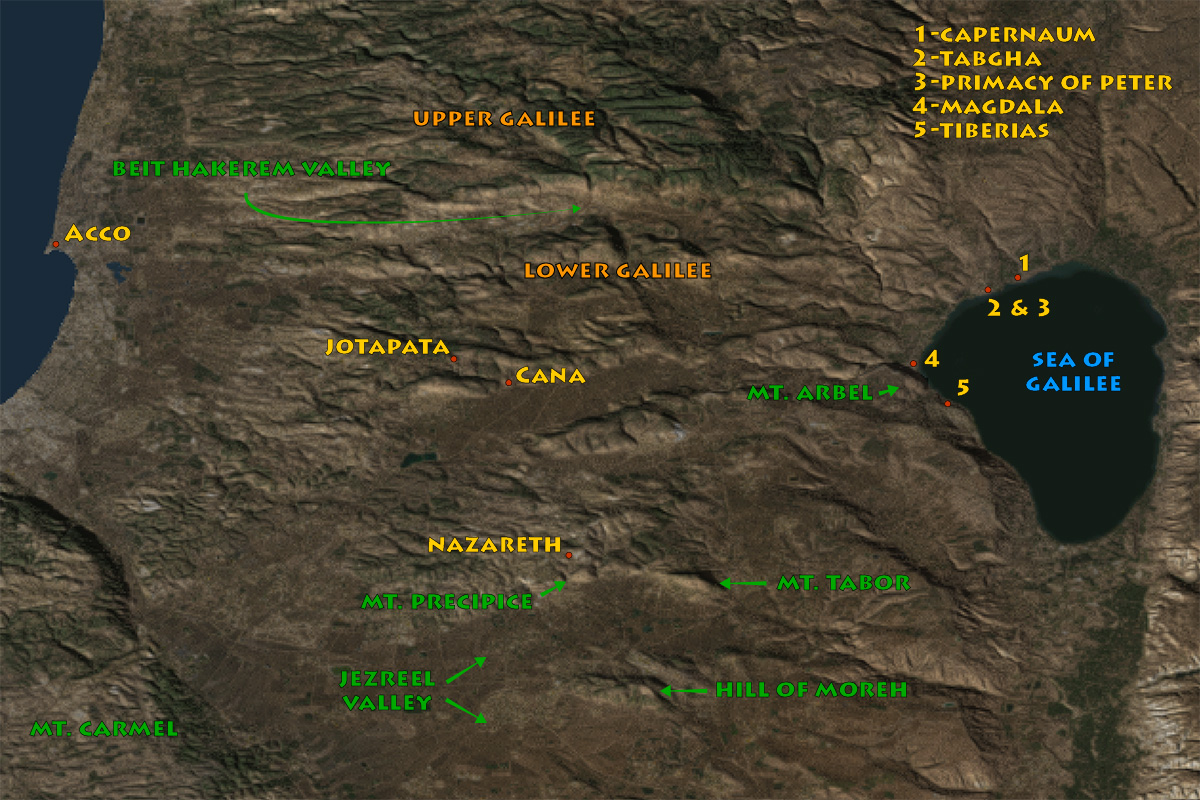
Click the enlarged map to show or hide the overlay
Map

Major Events at Capernaum

Viewed from the Sea of Galilee, Capernaum appears much as it would have to those approaching by boat. The ancient synagogue lies to the left, while the Church of the Seven Apostles marks the eastern end of the village near the shoreline.

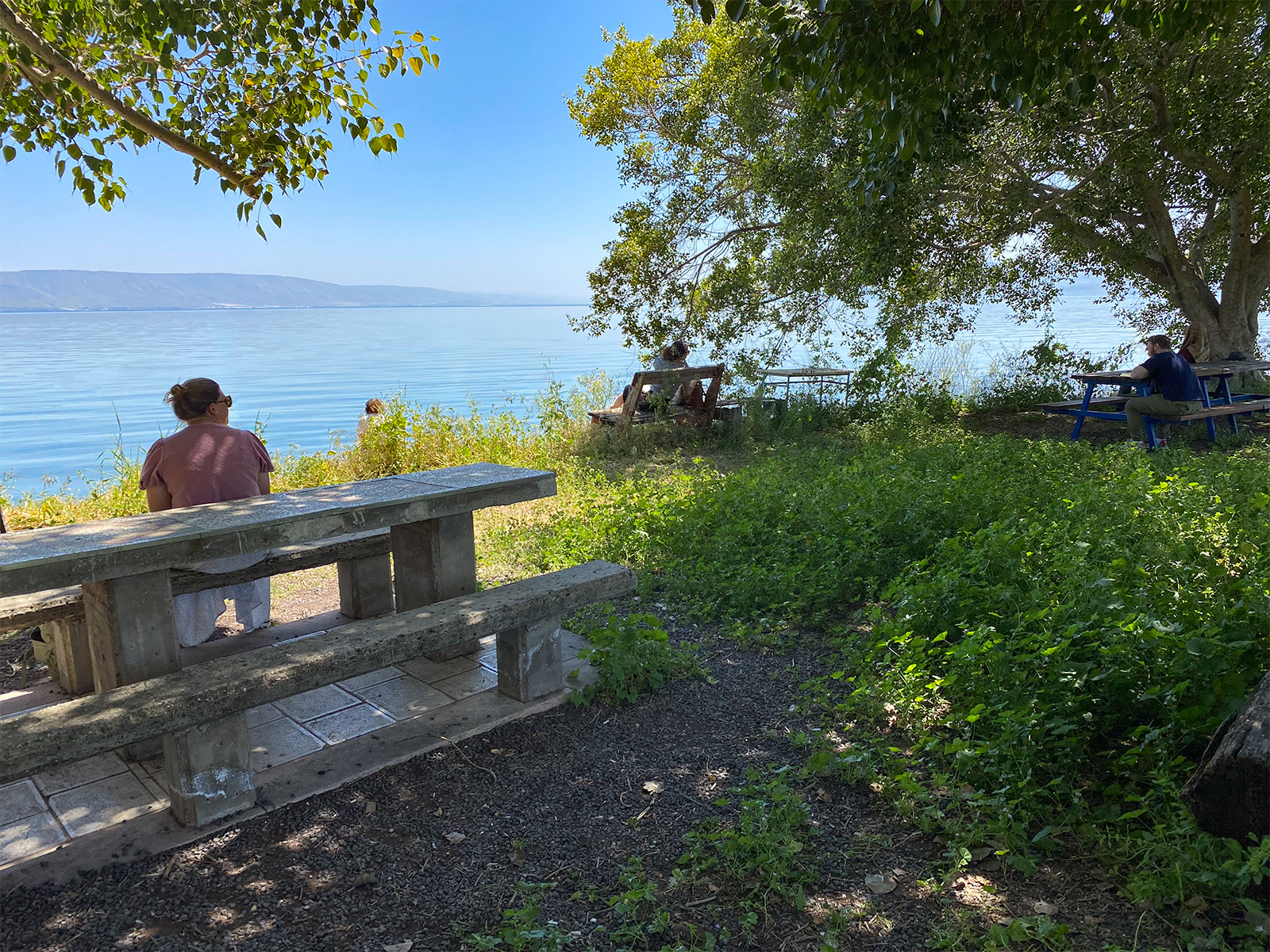
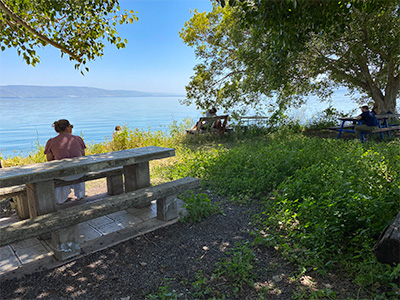
Beneath the shade of the Seven Apostles Church, visitors often pause to read the Gospels, reflect on the Savior’s ministry, and quietly contemplate the events that unfolded along these shores nearly two thousand years ago.

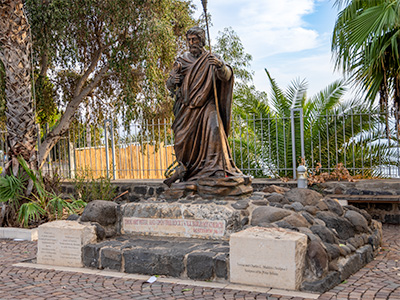
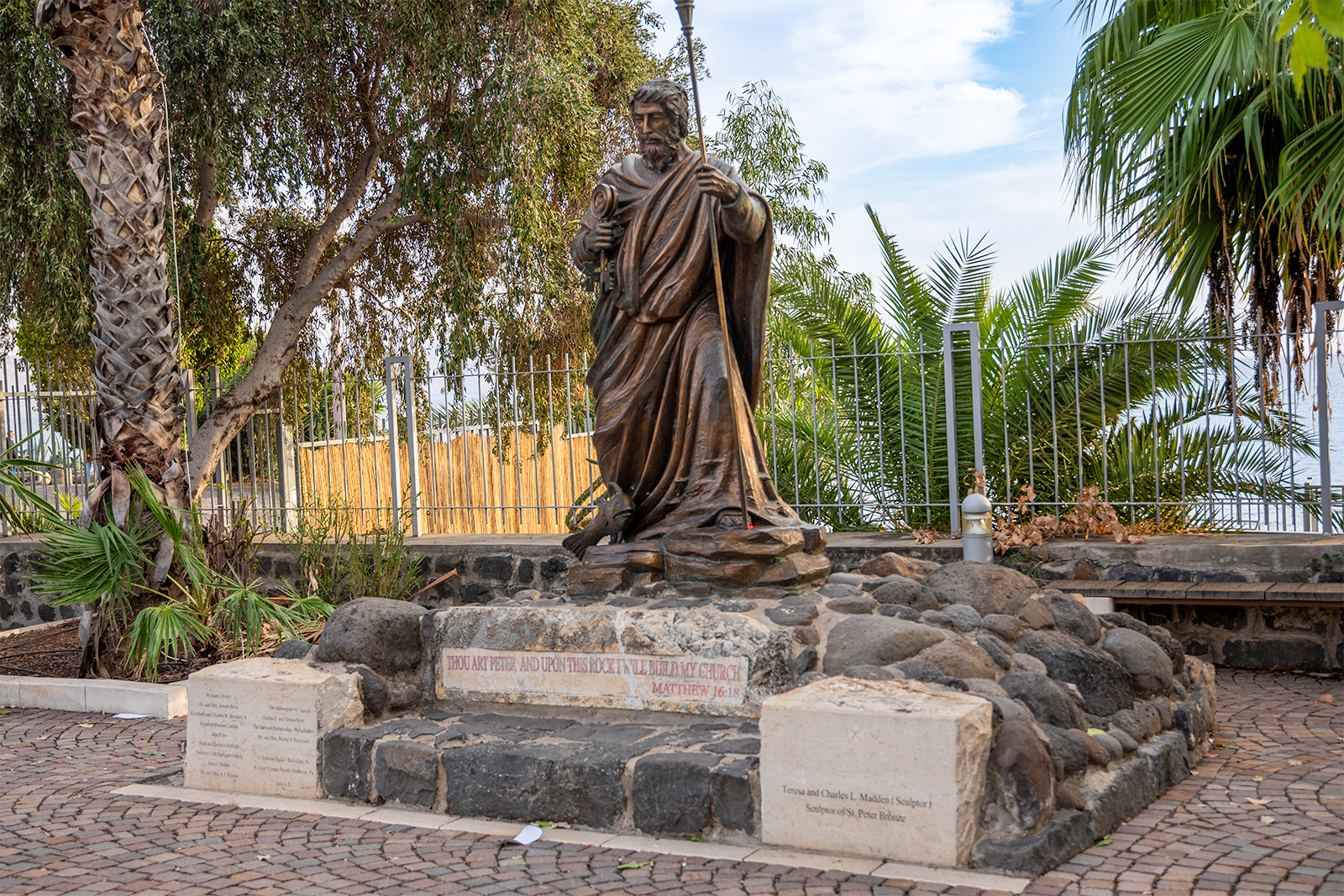
Although this modern bronze statue stands in the Franciscan gardens at Capernaum rather than at the actual location of the event, it commemorates one of Jesus’ most significant declarations: “Thou art Peter, and upon this rock I will build my church” (Matt. 16:18). The words were spoken much farther north, near Caesarea Philippi, but the statue fittingly honors the apostle whose home and ministry were closely associated with Capernaum.

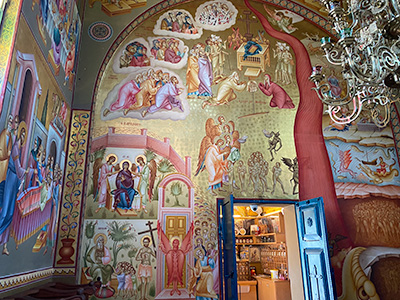
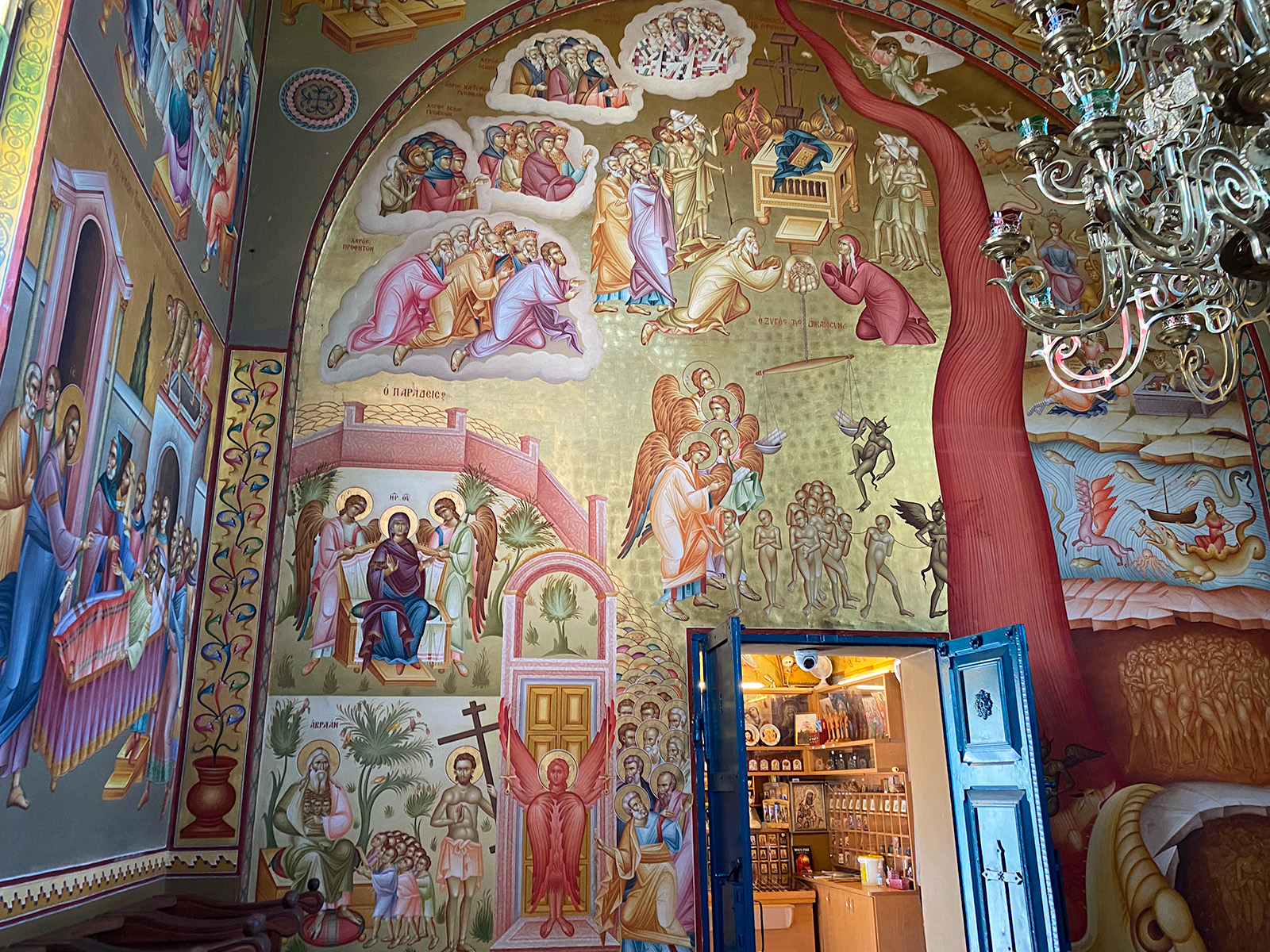
As visitors enter the Church of the Seven Apostles, this magnificent wall rises behind them. Painted in the traditional Eastern Orthodox style, its icons portray Christ, the Last Judgment, Paradise, and other scenes that remind worshippers of God's plan of salvation as they begin their visit.

Capernaum - Church of the Seven Apostles

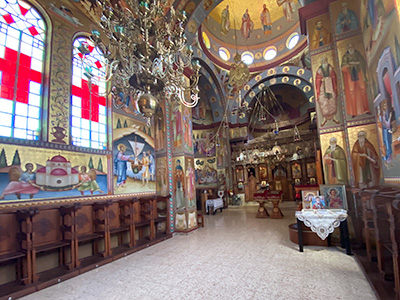
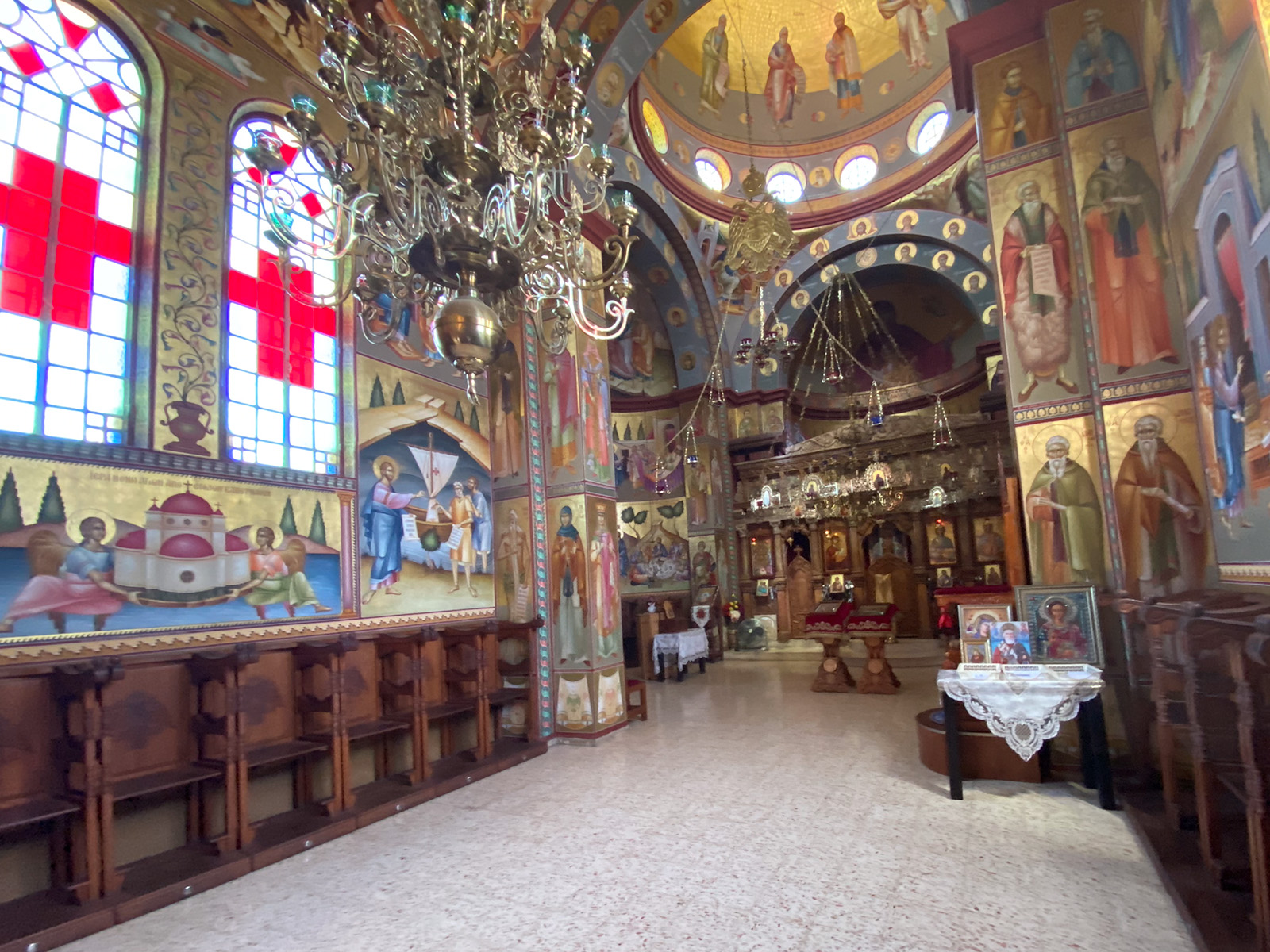
The first view inside the Church of the Seven Apostles reveals walls and ceilings covered with biblical scenes and saints. The painted cupolas above are easy to overlook. Their domed ceilings portray Christ, the apostles, and other sacred figures, continuing the Eastern Christian tradition of filling every part of the church with reminders of the Savior and those who bore witness of Him. Bright red crosses in the stained-glass windows cast warm light across the entrance, reinforcing the church's central focus on the Savior's redeeming sacrifice.

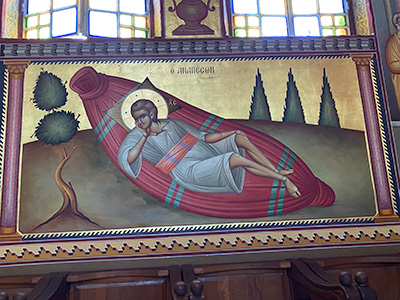
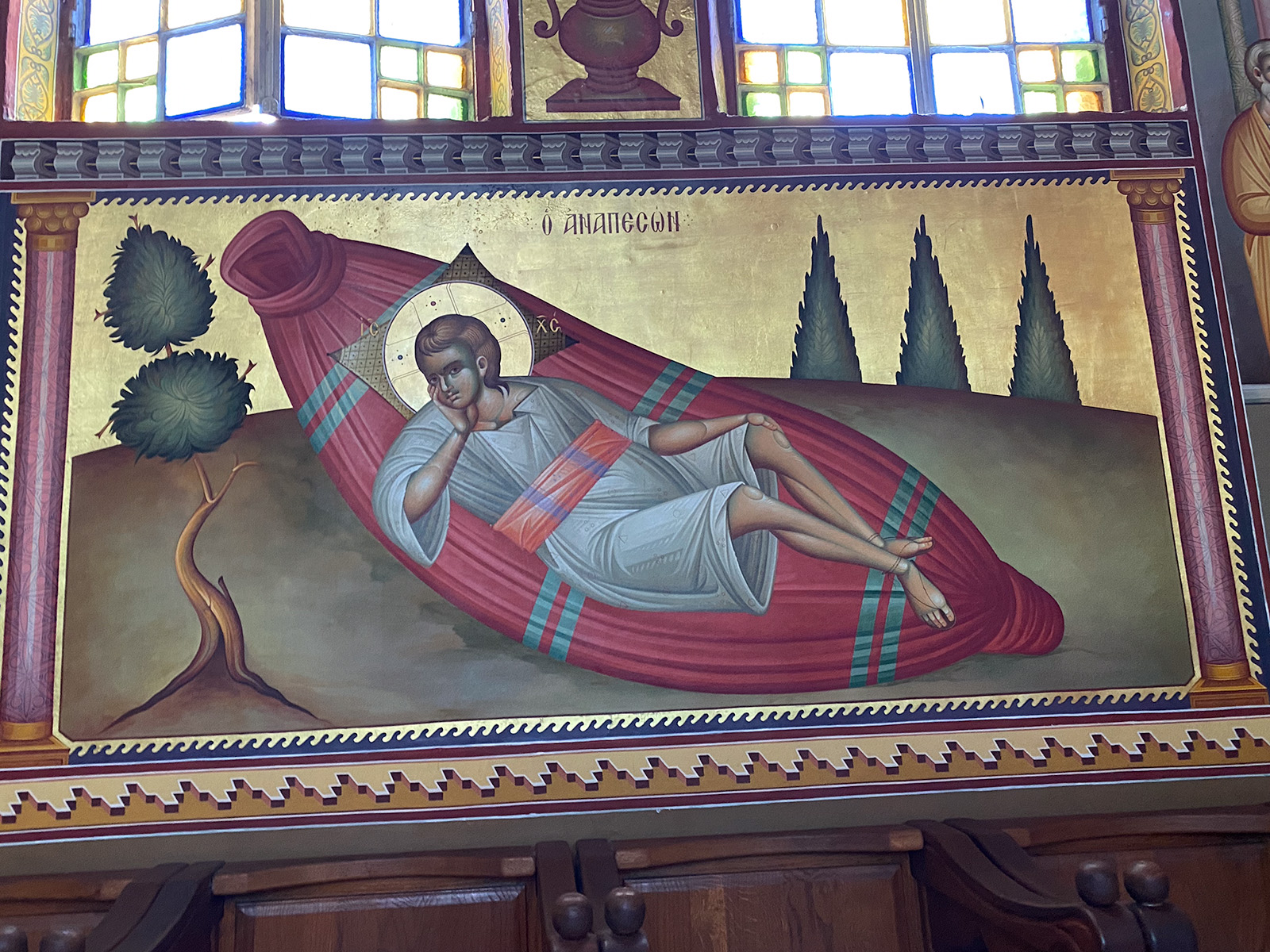
This symbolic Orthodox icon portrays the Christ Child resting on a royal couch. Known in Greek as Ho Anapesōn (“The Reclining One”), it does not depict a historical event but foreshadows Christ’s entire redeeming mission. His peaceful repose anticipates both His death and His resurrection, reminding worshippers that the Savior’s ministry in Galilee was inseparable from the sacrifice He would later offer for the world.

Capernaum National Park

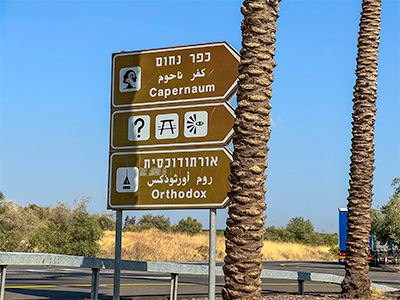
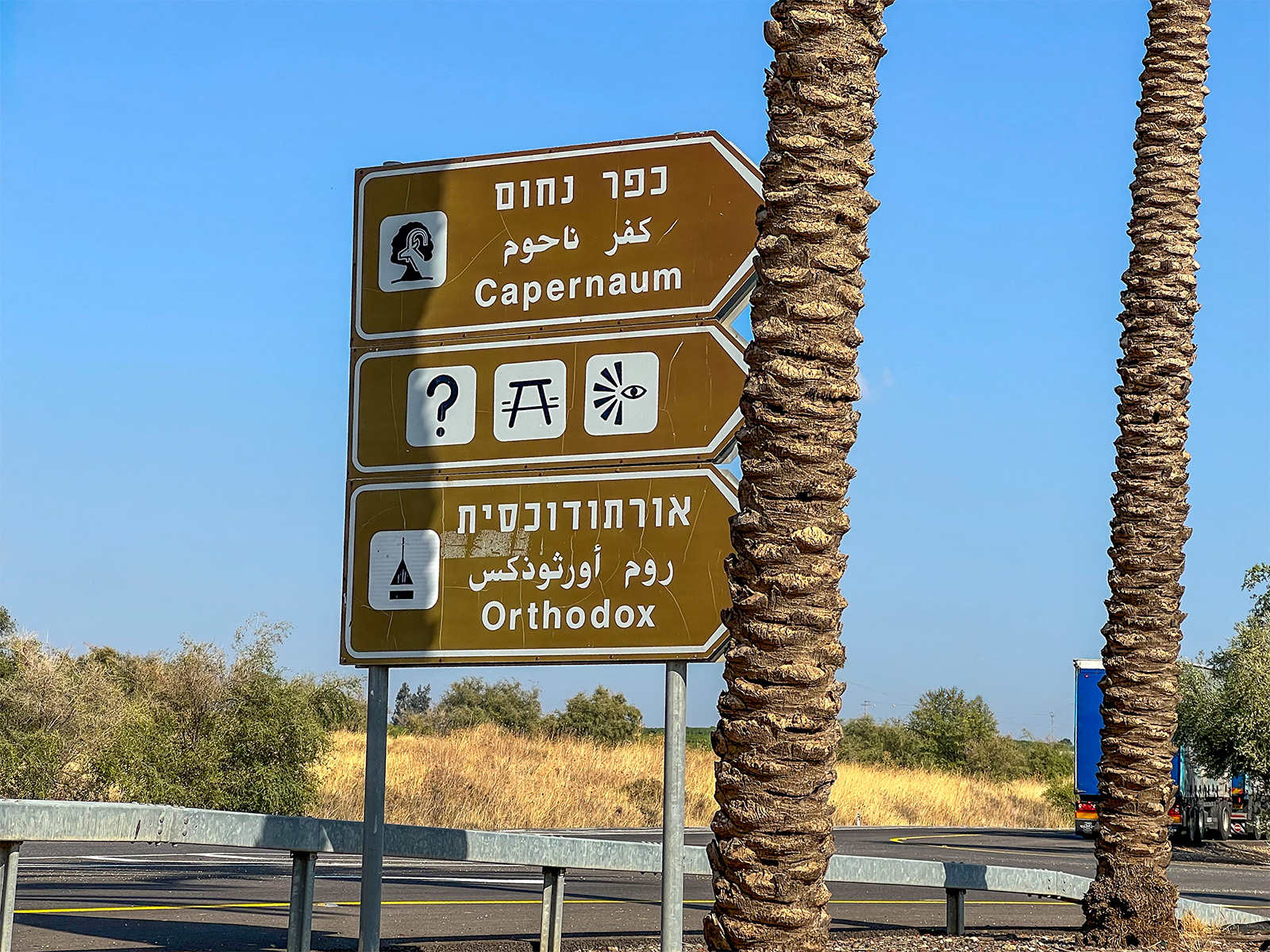
This roadside sign marks the entrance to Capernaum National Park. Travelers arriving by bus from Tiberias are typically dropped off here before walking the short distance to the ancient village. The lower sign points toward the nearby Greek Orthodox Church of the Seven Apostles, just west of the archaeological site.

Capernaum National Park

Seen from the air, Capernaum National Park occupies a beautiful stretch of shoreline on the northwestern shore of the Sea of Galilee. The park provides access to the archaeological remains of ancient Capernaum and offers sweeping views of the lake that formed the backdrop to so much of Jesus' ministry.

Capernaum National Park

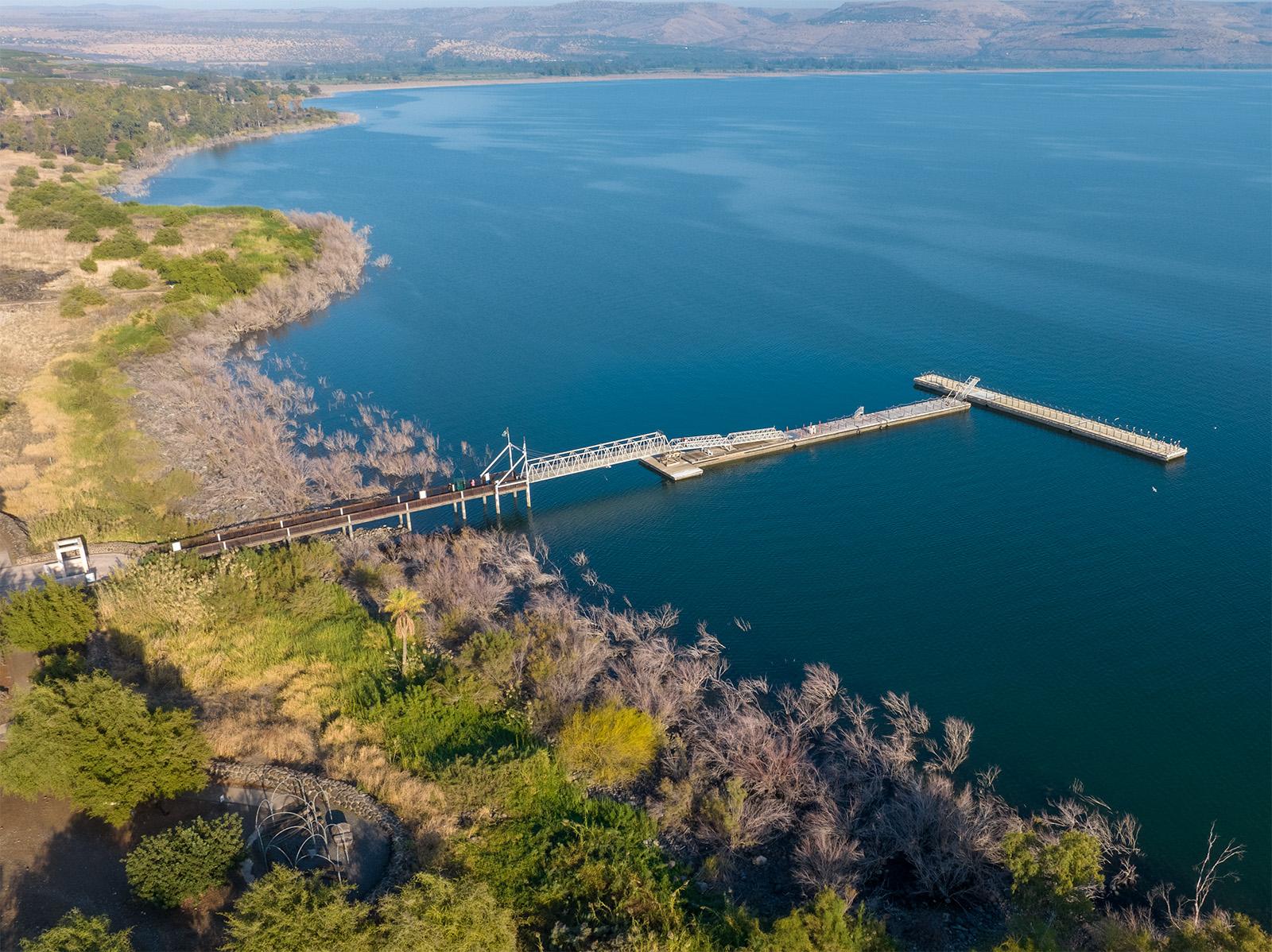
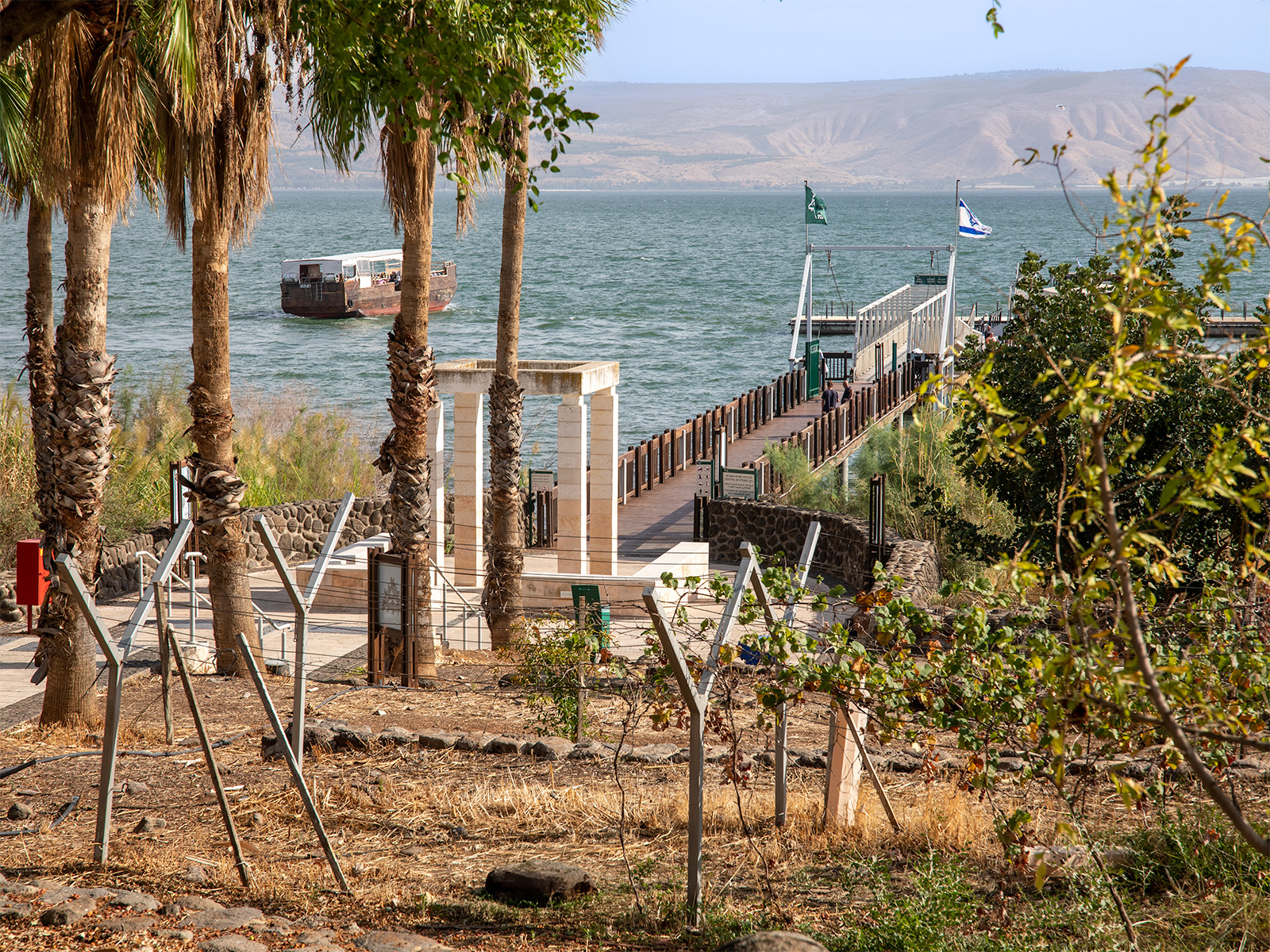
A modern pier extends into the Sea of Galilee near the entrance to the park. While this harbor is not ancient, it provides visitors with a vivid reminder that Capernaum was once a bustling fishing village whose livelihood depended upon these waters.

Capernaum National Park

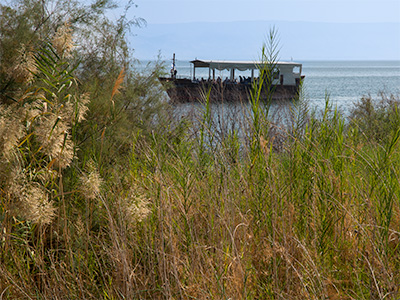
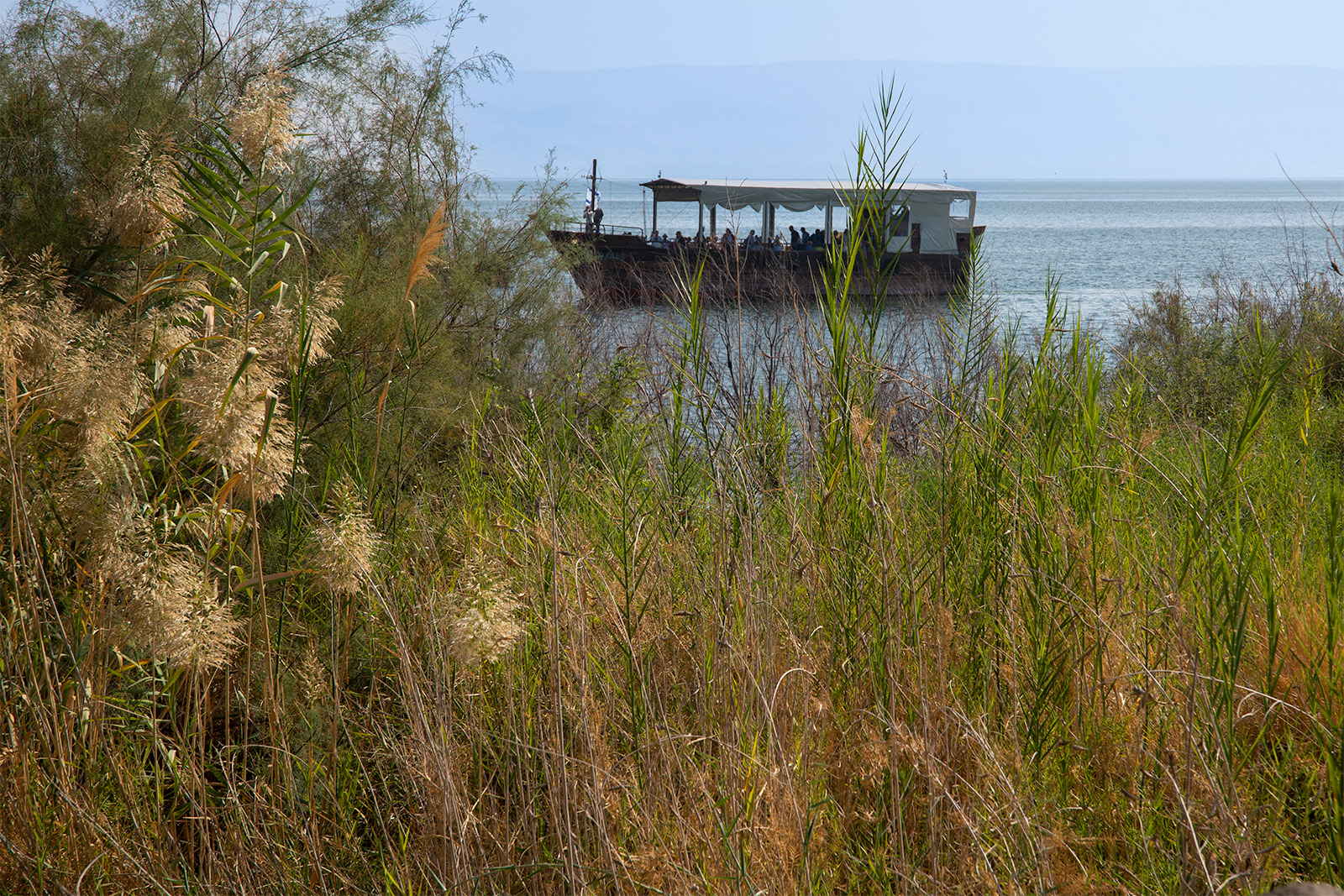
Seen through the shoreline reeds, a boat rests on the calm waters of the Sea of Galilee. Moments like this make it easy to imagine the quieter rhythms of life that characterized Capernaum before it became one of the Savior's best-known places of ministry.

Capernaum National Park

Palm trees, gardens, and walking paths surround the small harbor beside Capernaum National Park. Today the shoreline offers a peaceful place to pause and appreciate the lake that formed the backdrop to so much of Jesus’ public ministry.

Capernaum National Park

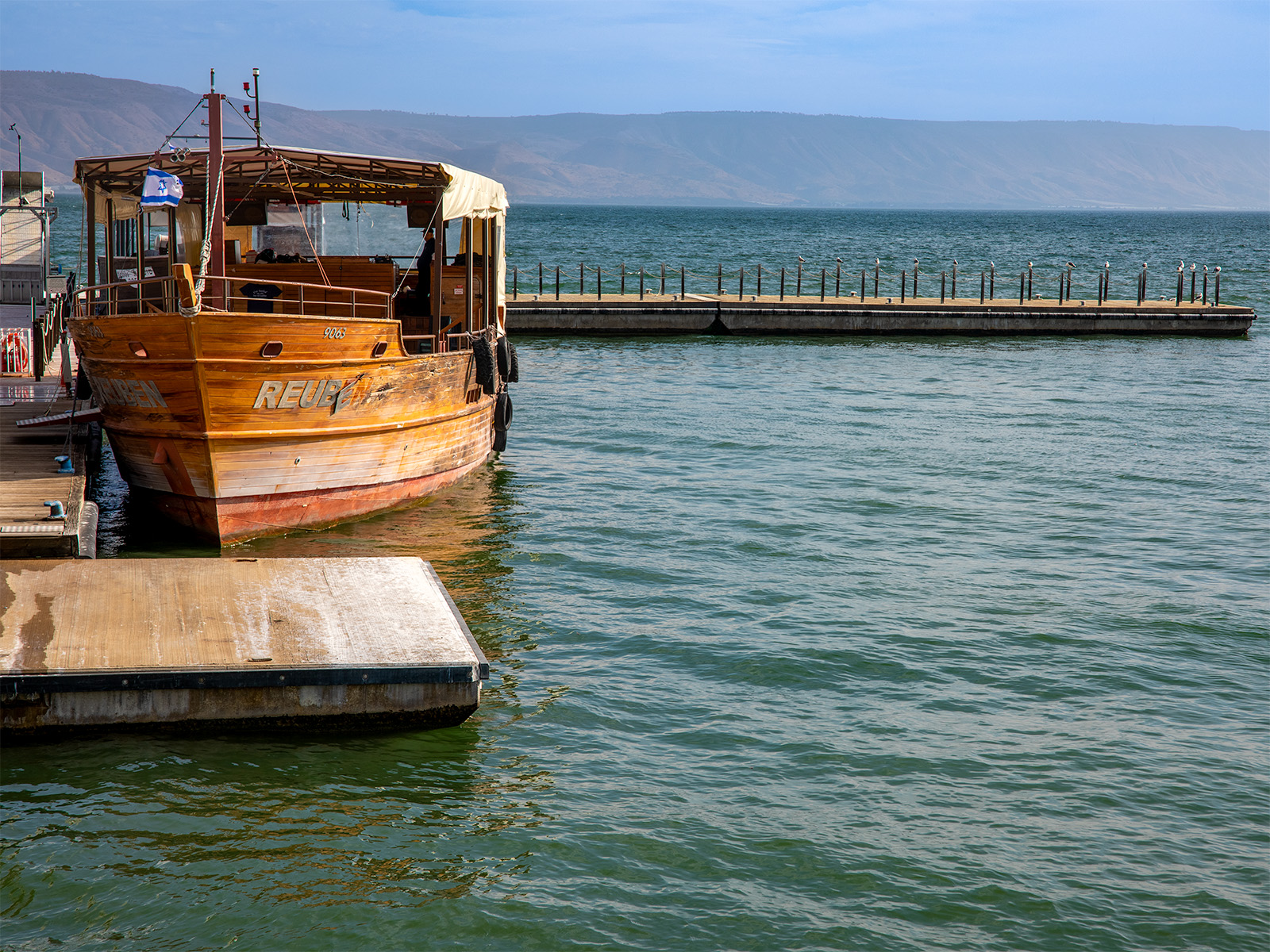
Tour boats frequently stop at Capernaum, allowing pilgrims to approach the village from the Sea of Galilee. Although modern in design, they evoke the countless fishing boats that once crossed these same waters during the time of Christ.

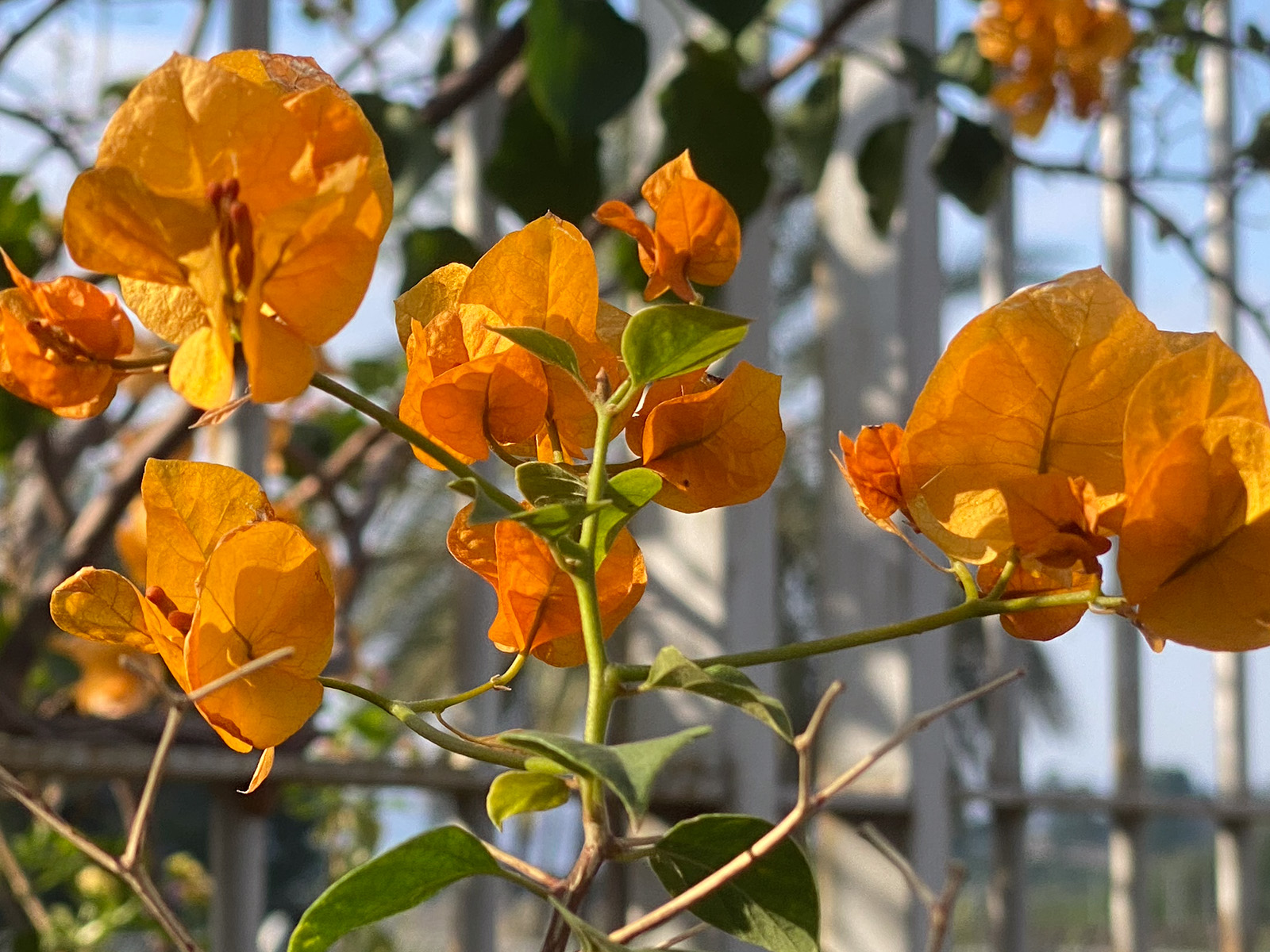
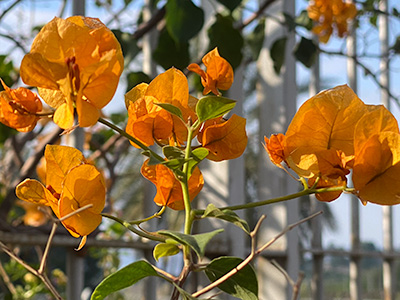
Bougainvillea is now one of the most recognizable flowering plants in Israel. Though unknown in biblical times, its brilliant blossoms add vibrant color to Capernaum and gardens throughout Galilee.